


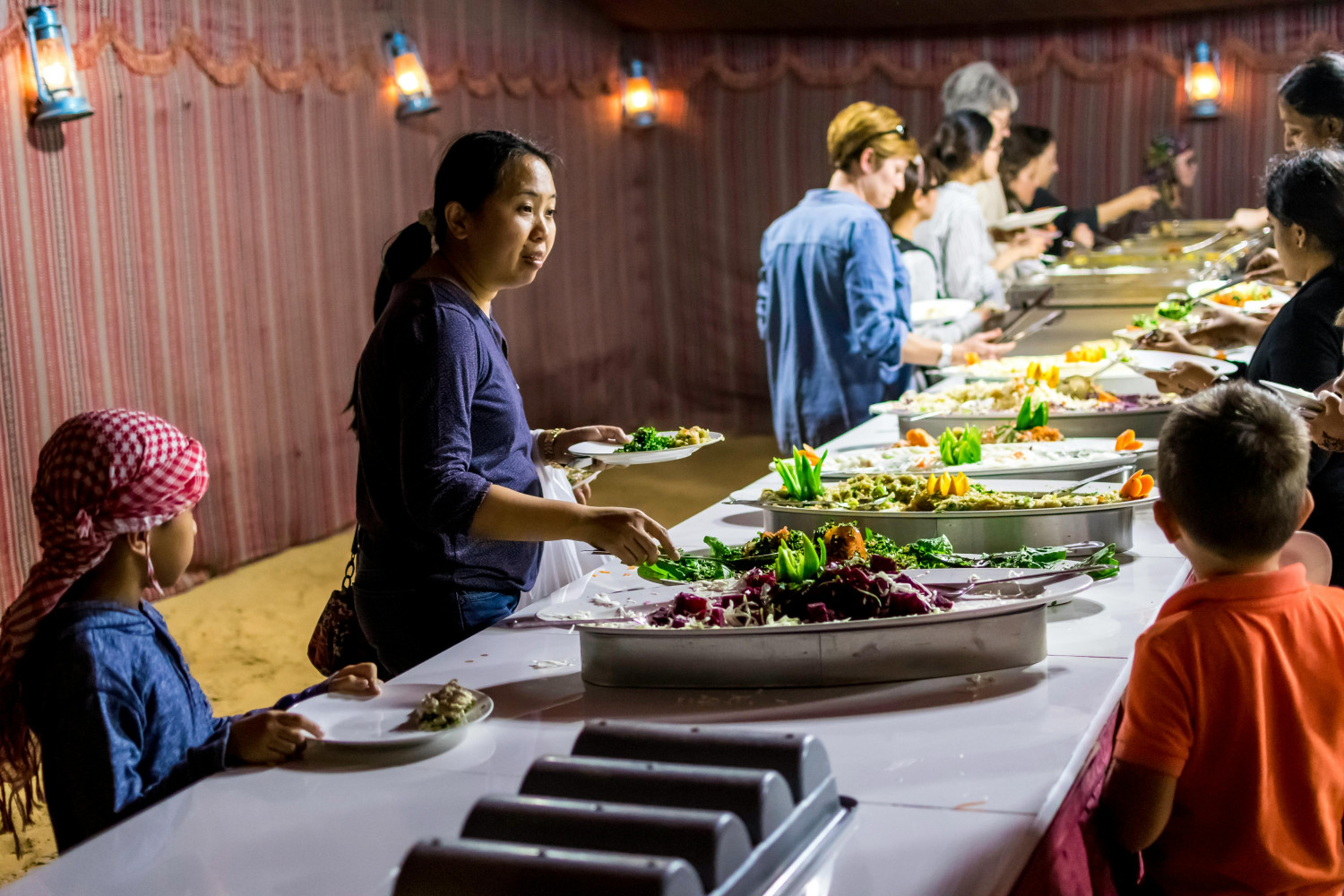
To PTOs and booster clubs in institutions, keeping everyone happy at events means more funds for programs. But queues can be frustrating, especially for meals or refreshments.
Lines move too slowly when the fryer hums and the crowd grows restless. Parents tap cards, teens scroll phones, and the smell of popcorn just reminds everyone how long it’s been.
Concession stand volunteers know the frustration. Speed matters, but quality still counts.
So, this guide walks through practical upgrades that shave time, calm chaos, and keep fans happy from order to handoff.
1. Offer Simplified Menus
The time some people spend trying to decide what to take might surprise you. A crowded board with too many choices creates hesitation, and that hesitation builds lines.
Simplify the options. Something like three sandwich types instead of six helps decisions move faster. Rather than listing every drink flavor, group them as “sodas” or “sports drinks.” It keeps service flowing.
A focused menu also helps prep teams stay organized. Fewer ingredients mean fewer restocks, faster turns, and smoother operations when the crowd peaks.
2. Upgrade Equipment for Faster Output
Some lines crawl because machines can’t keep pace. Old fryers take longer to reheat, and slow warmers back up the line before anyone even notices.
Investing in better gear changes everything. Newer ovens and warmers hold temperature more consistently, cutting downtime between batches.
Simple swaps from quality sources make a big difference. For example, conveyor toasters handle bagels, garlic bread, or melts at volume with even browning and less wait time. Models available online at Restaurant Supply show how this upgrade reduces bottlenecks and keeps food moving.
3. Introducing Express Lanes
Picture a famished crowd after the first quarter break, everyone ready to grab food at once. Some only want popcorn or a drink, but they get stuck behind people ordering full meals.
Creating an express lane for quick items keeps energy steady and tempers calm. It’s not just helpful for kids who get mood swings when hungry. Parents appreciate it too. A simple split in service lines clears congestion. It trims wait times and makes short orders move like clockwork.
4. Leverage Mobile POS Payments
Cash exchanges slow everything down, especially when people dig for bills or wait for change. Mobile POS systems let volunteers take payments anywhere near the line, keeping things moving smoothly.
Digital payments also track sales automatically, removing guesswork at closing time. The setup helps reduce queues while minimizing errors in tallies or pricing. It’s a simple tech shift that frees staff to focus on service instead of math, and customers get their snacks faster without waiting at the counter.
5. Allow Grab-And-Go With Pre-Wrapped Items
People move quicker when food is ready to take, not waiting to be made. Pre-wrapped sandwiches, chips, and cookies give them that option.
This setup cuts handling time and keeps lines cleaner since fewer open containers are passed around. Volunteers can restock from coolers or trays instead of building each order from scratch.
It’s simple and practical, perfect for short breaks when everyone wants something quick before heading back to their seats.
6. Prep in Batches Before the Rush
Imagine the halftime whistle about to blow and the grill already stacked with hotdogs ready to go. That head start changes everything.
Batch prepping during slower moments builds a buffer for peak demand. Hot foods stay warm in holding trays, while cold items chill in labeled bins. It’s a simple rhythm of restock and serve. Attendants or staff spend less time scrambling and more time handing out food while the crowd keeps moving.
7. Using Clear, Visible Signage
Trying to locate the right line in a crowded stand can be frustrating. Noticing you’re in the wrong queue after waiting ten minutes feels even worse.
Clear signs above each station remove confusion before it starts.
That’s why it’s crucial to label each lane with bold text like “Drinks Only” or “Combo Meals.” Simple visuals help younger visitors too. Good signage reduces repeat questions and keeps the line orderly. It frees volunteers to serve instead of directing traffic.
8. Assign Roles for Each Station
Confusion builds when everyone tries to handle everything. Clear role assignments create order and rhythm behind the counter. One person takes payments, another handles food, and someone else restocks supplies.
And considering how technology is reshaping the business landscape, using simple digital tools like volunteer scheduling apps or counter trackers helps monitor staff and assess crowds for proper assignment.
With set duties and real-time adjustments, teams stay focused. There’s less motion wasted, and lines keep moving smoothly.
9. Reworking the Layout for Better Flow
Crowds naturally move in patterns, and poor layout interrupts that flow. Counters too close together or overlapping lines create confusion fast.
A smarter setup starts with spacing:
Separate ordering, payment, and pickup areas so each has room to operate. Keep condiments or napkins away from the main queue to avoid backups. Even small adjustments like angled tables or one-way entry points turn cramped chaos into an efficient loop that feels easier for everyone.
Fast lines build happier crowds and stronger sales. Each small upgrade adds up to smoother service. When concession stands run efficiently, volunteers feel less pressure and guests enjoy their time. That balance keeps community events thriving long after the final whistle.
