


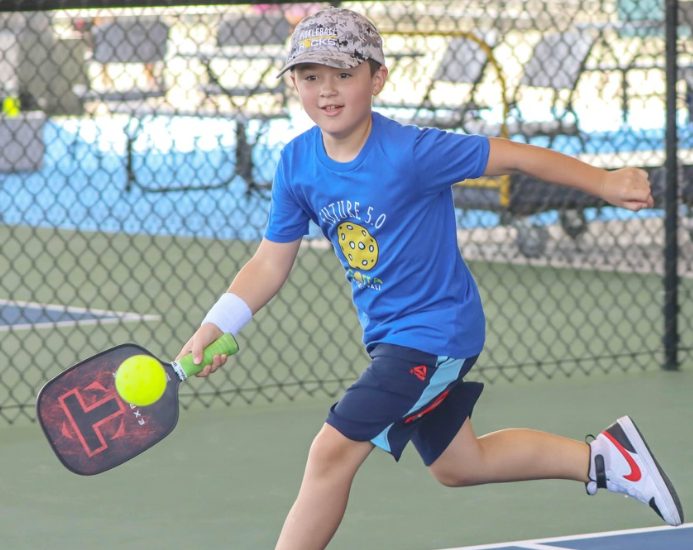
Pickleball tends to settle into family routines with minimal effort. One afternoon at the park turns into a standing weekend plan. A casual rally becomes the thing your kids ask to do before dinner. For parents searching for an activity that feels relaxed but still gets everyone moving, pickleball fits easily into everyday life.
The appeal is straightforward. The court feels manageable. The rules make sense quickly. Rallies last long enough to keep kids engaged without wearing them down. Parents do not need a competitive background or years of athletic experience to enjoy the game. Kids do not need perfect form to have fun. Everyone starts on fairly even ground.
At a time when schedules feel packed, and screens pull attention in every direction, pickleball offers something refreshingly simple. It creates shared time, light movement, and plenty of laughter. It is the kind of activity that leaves families talking on the walk back to the car and looking forward to playing again soon.
Why Pickleball Works So Well for Families
Some sports ask families to commit before they have even figured out whether they enjoy them. Pickleball is more forgiving. The pace keeps kids involved without overwhelming them, and the smaller court makes it easier for parents to jump in without worrying about keeping up.
The learning curve is gentle. Most kids can rally within minutes, which builds confidence quickly. Parents appreciate that the basics are easy to remember, even if it has been years since they last picked up a paddle. Mistakes rarely stop play. More often, they lead to laughter and another try.
There is also a balance that families tend to notice right away. Pickleball raises the heart rate without demanding constant sprinting or physical contact. That makes it comfortable for a wide range of ages and abilities, whether a family is playing casually in the driveway or joining an open court night at a local recreation center.
Just as important, pickleball leaves room for conversation. Between points, families talk, joke, and reset. The game creates a connection without forcing it, which helps explain why many parents stick with it long after the first match.
What Families Need to Get Started
One reason pickleball catches on so quickly is how little equipment it requires. Families do not need specialized clothing, private lessons, or a car full of gear. A few essentials are enough to get a game going.
The paddle matters most. For parents and kids, lighter paddles with comfortable grips tend to be easier to control, especially for younger players who are still developing coordination. Equipment that feels manageable helps keep games fun rather than frustrating. Many families begin with options like Honolulu paddles, which are designed to feel approachable for beginners while still holding up to regular use.
Pickleballs are inexpensive and easy to replace. Outdoor balls are slightly heavier and handle wind better, while indoor versions are lighter and quieter. Shoes are often overlooked, but sneakers with good side support can make a real difference when kids start moving more confidently across the court.
Beyond that, the setup stays simple. A shared bag, a few balls rolling around in the car, and access to a nearby court are usually all it takes. The low barrier makes it easier to say yes to a quick game, even on busy days.
Basic Rules Parents and Kids Should Know
Pickleball rules often sound more complicated than they feel once a game starts. Most families pick them up by playing a few points rather than reading through a rulebook.
Games begin with an underhand serve hit diagonally across the court. The serve must clear the non-volley zone, the small area near the net where players cannot step in to hit the ball out of the air. After the serve, each side lets the ball bounce once before volleys are allowed. This double-bounce rule slows the game just enough to keep rallies going and gives kids time to react.
Scoring is simple. Only the serving team earns points, and games are often played to 11. Many parents adjust scoring or rules when younger kids are involved, focusing more on keeping the rally alive than tracking every point perfectly.
Early on, precision matters less than comfort. Learning how the ball moves, figuring out when to swing, and getting used to the court together sets the foundation. Once that clicks, the rest follows naturally.
Health and Development Benefits for Kids and Parents
Pickleball may feel casual, but it offers real benefits for growing bodies and busy adults. For kids, the game supports hand-eye coordination, balance, and spatial awareness without the pressure that often comes with more competitive youth sports. The paddle-and-ball format rewards timing and focus, which can be especially encouraging for children who struggle with fast-paced or contact-heavy activities.
Parents gain just as much. Pickleball provides steady movement that raises the heart rate while staying gentle on joints. The rhythm feels manageable, even for adults easing back into regular exercise. For families seeking to build healthier routines, this type of activity is easier to sustain. The CDC’s overview of physical activity basics explains how consistent movement supports everything from heart health to mood, which aligns closely with what many parents notice after a few weeks on the court.
There is also a social and emotional side that families tend to notice quickly. Playing together builds patience, communication, and resilience. Kids learn how to recover from missed shots. Parents model encouragement instead of pressure.
As Todd Skezas, CEO of Pickleball Nation, puts it, “Pickleball creates a space where families can be active together without feeling like they’re training for something. The joy comes from playing side by side, not chasing perfection.”
That focus on enjoyment over performance is often what keeps families coming back.
Where Families Can Play Pickleball in Their Community
Once pickleball becomes part of the routine, practical questions follow. Where do you play when the driveway feels too small, the wind will not cooperate, or winter sets in?
Local parks are often the easiest starting point. Many communities have added pickleball lines to existing tennis courts, and some now offer dedicated courts that stay busy on weekends. Families with younger players may prefer quieter times, such as early evenings during the week.
Recreation centers are another reliable option, especially during colder months. Indoor courts offer consistent lighting and footing, which helps kids feel more comfortable as they learn. Some facilities schedule open play times that welcome families and beginners without pressure.
Even away from the court, the same elements still matter. Movement, playfulness, and just enough structure to keep everyone engaged. That is why many families rotate pickleball alongside familiar backyard activities for all ages, keeping things fresh without overthinking it.
Flexibility makes all the difference. Whether it is a park, a gym, or the backyard, pickleball fits into spaces families already use.
Why Pickleball Is a Sport Families Stick With
Some activities fade once the novelty wears off. Pickleball tends to stay. Part of that comes from how easily it adapts to family life. Kids grow into it. Parents settle into it. The game keeps pace without demanding more time, money, or commitment than most families can manage.
As skills improve, small changes make the game more satisfying. Rallies last longer. Shots feel more intentional. Friendly competition shows up naturally. Even then, the sport never loses its relaxed feel. Families can play seriously one day and keep things light the next without feeling out of place.
Pickleball also fits neatly into the in-between moments of parenting. It works for a quick game after dinner, a weekend outing, or a casual meet-up with neighbors. There is no pressure to specialize or perform. Showing up is enough.
That adaptability is what keeps pickleball from becoming a phase. It becomes part of how families spend time together, moving, talking, laughing, and returning to something familiar season after season.
