


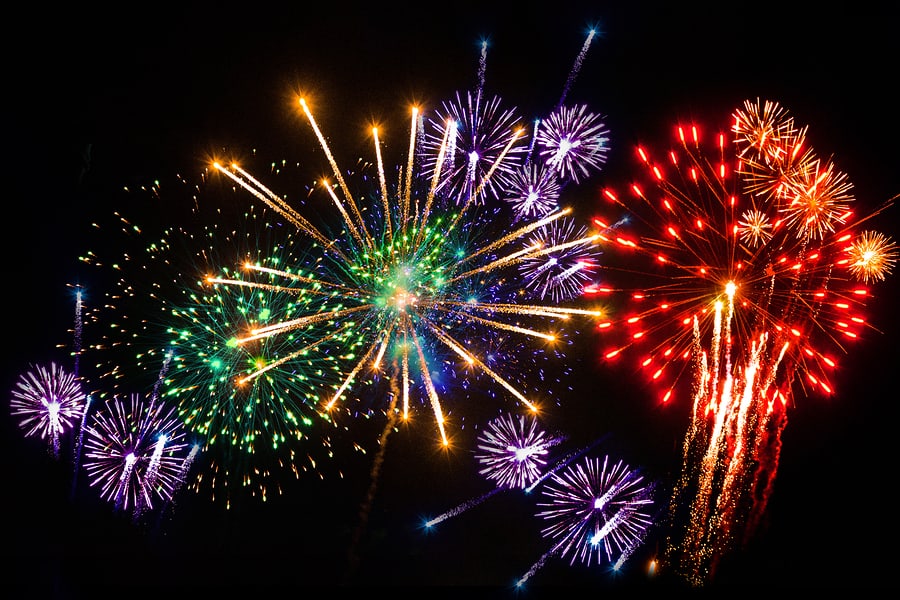
Firework displays are one of those rare public experiences that still feel genuinely communal. People gather, look up, fall quiet for a moment, and share the same sense of anticipation. But the success of any display is measured by more than applause at the finale. A safe event is a well-run event, and that depends on far more than the crew lighting the fuse.
It’s easy to assume fireworks safety sits solely with professionals, venue managers, or local authorities. In reality, safe events are built through a chain of decisions made by everyone involved: organizers, suppliers, staff, volunteers, security teams, and even the audience. When one link is weak—poor crowd positioning, unclear signage, complacency about weather, or spectators standing where they shouldn’t—the risks rise quickly.
That matters because most problems at firework events aren’t caused by the concept of fireworks itself. They tend to come from preventable issues: inadequate planning, poor site layout, rushed setup, communication failures, or people underestimating how small mistakes can escalate in a crowded environment. The good news? Those same issues can usually be managed with the right mindset.
Safety Starts Long Before the First Firework
A safe display begins days or weeks ahead of the event. By the time spectators arrive, the most important decisions should already have been made: where the firing zone sits, how far the audience is kept back, what the emergency routes are, who is responsible for crowd control, and how changing weather conditions will be handled.
Planning Is a Practical Safety Tool
Good planning often looks unglamorous on paper, but it’s what prevents confusion later. Organizers should be asking straightforward questions early:
- Is the site large enough for the type of display planned?
- Are exclusion zones realistic and enforceable?
- Is there a contingency if wind direction changes?
- Do staff and volunteers know exactly what to do if something goes wrong?
These are not box-ticking exercises. They shape the real-world safety of the event. The same applies to product handling and setup. Anyone involved in the operational side of a display should be working from clear manufacturer instructions and recognized best practice. For those reviewing procedures, it’s worth consulting detailed guidance for using display products safely as part of broader event planning, rather than treating safety information as something to skim over on the day.
Organizers Set the Tone
If there is one group with the greatest influence over event safety, it is the organizers. Not because they control every variable, but because they establish the culture around the event. A display run by people who take risk seriously tends to have better briefings, better contractor coordination, and fewer avoidable surprises.
Clear Roles Prevent Dangerous Assumptions
One of the most common failures at public events is ambiguity. Someone assumes security is handling perimeter checks. Security assumes the display team is doing it. Volunteers assume a hazard has already been reported. These gaps are where incidents grow.
Assigning responsibilities clearly matters. Who checks audience barriers? Who monitors weather updates? Who makes the call to delay or cancel? Who communicates with emergency services if needed? When everyone knows their role, the event runs more smoothly and people react faster under pressure.
Venue Teams and Staff Matter More Than People Realize
A venue can look perfect for a display and still be unsuitable in practice. Uneven ground, limited access routes, nearby structures, overhead obstructions, dry vegetation, or poorly lit walkways can all create unnecessary risk.
That’s why venue staff play such an important part. They often know the site better than anyone else. They understand bottlenecks, blind spots, and the places where crowds naturally gather. Their local knowledge can improve setup decisions in ways a generic risk assessment might miss.
Crowd Management Is Part of Fireworks Safety
People often think of firework safety in terms of ignition and fallout zones. But managing people is just as important as managing pyrotechnics. Spectators need clear arrival routes, obvious viewing areas, visible stewards, and simple instructions. If families are unsure where to stand, if exit points are hard to find, or if barriers create confusion rather than structure, risk increases before the display even starts.
Good crowd management is not heavy-handed. It is calm, visible, and easy to follow.
Spectators Have Responsibilities Too
This is the part that often gets overlooked. Audiences are not passive participants. Their choices affect safety for everyone around them.
Standing beyond designated viewing areas, bringing alcohol into already crowded spaces, attempting to retrieve misfired items, or letting children roam near restricted zones can undermine even the best-run event. Most people do not act recklessly on purpose; they simply misjudge the situation. That’s why public messaging matters. When expectations are communicated clearly and early, compliance improves.
Small Decisions Add Up
From a spectator’s perspective, contributing to a safer event is usually simple:
- Follow viewing area instructions
- Respect barriers and steward directions
- Supervise children closely
- Report hazards rather than trying to solve them yourself
None of that feels dramatic, but collectively it reduces confusion and keeps emergency access clear.
Weather, Timing, and Judgment Calls
Not every safety issue is predictable, and that’s where judgment becomes critical. Wind changes. Ground conditions worsen. Crowds arrive faster than expected. A display team may need to adjust firing sequences, delay the start, or cancel entirely.
These decisions can be unpopular in the moment, especially when the audience is already gathered. But postponing or calling off a display is not a failure of planning; sometimes it is evidence that the planning is working. The safest events are not the ones that push ahead regardless. They are the ones where leaders are prepared to change course when conditions demand it.
Safer Events Are Shared Achievements
The idea that “someone else is handling safety” is one of the biggest hidden risks at any public event. Firework displays are safest when everyone understands they influence the outcome, whether directly or indirectly.
Organizers create the framework. Venue teams contribute site knowledge. Operators manage technical risk. Stewards and staff guide the crowd. Spectators follow boundaries and instructions. No single role is enough on its own.
That shared responsibility is worth emphasizing because it changes the conversation. Safety stops being a backstage concern and becomes part of how the event is designed, communicated, and experienced. And when that happens, you do not just reduce the chance of something going wrong. You create a better event overall: calmer, clearer, and more enjoyable for everyone looking up at the sky.
