


by Medina County Board of Developmental Disabilities, mcbdd.org
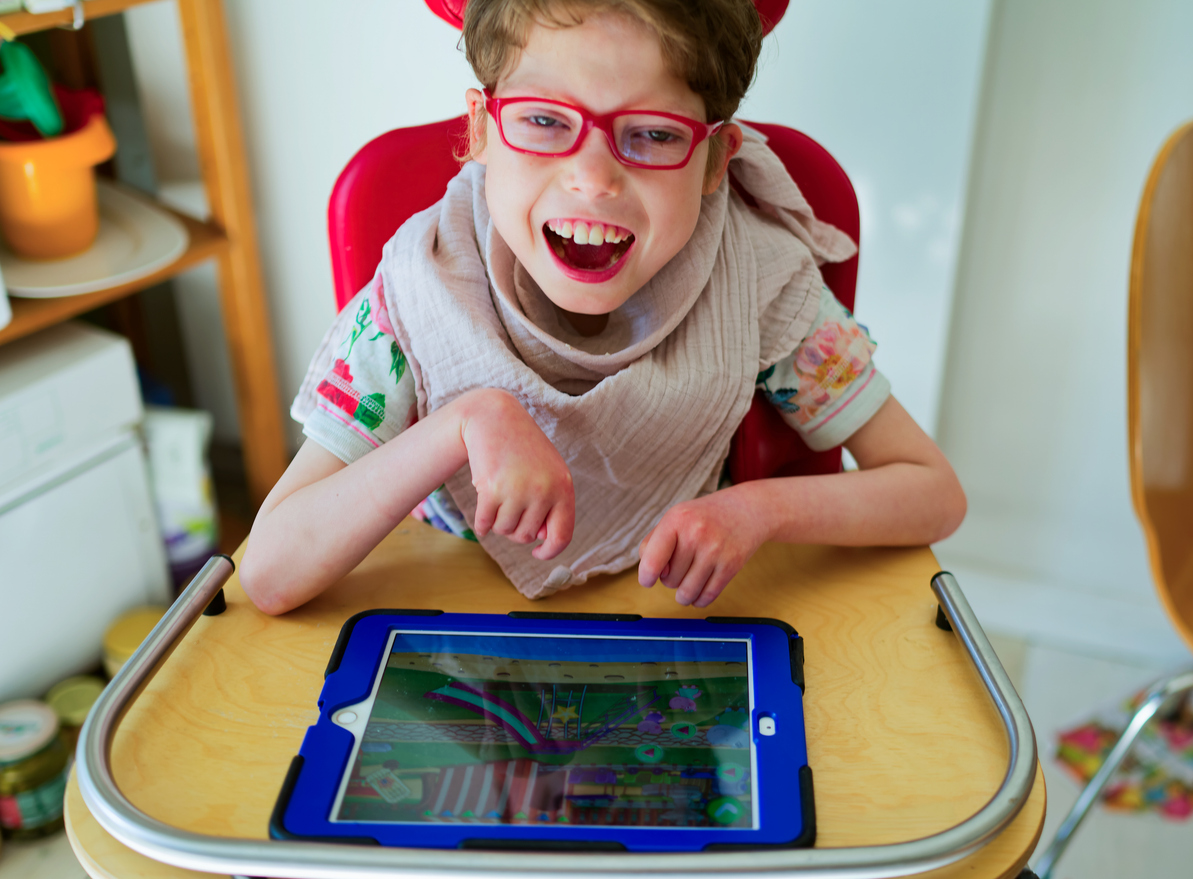
Technology can be an amazing sidekick for families raising children with special needs. From helping a child communicate and follow a routine, to making everyday activities a little easier and safer, the right technology can open new possibilities. And you don’t need to be a technology expert or buy the latest gadget to get started. Sometimes, a simple setting, app or device can make a big difference.
- Make Communication Easier
For children who have difficulty communicating through speech, technology can provide new ways to express wants, needs, feelings and ideas. Communication apps, picture-based tools, tablets and speech-generating devices can give children another way to be heard. Technology can also support children who communicate verbally. Visual schedules, social stories, timers and other apps can help children understand what is happening, what comes next and what is expected. The goal? Less frustration and more ways for your child to communicate.
- Make Routines More Predictable
Getting dressed. Brushing teeth. Leaving for school. Getting ready for bed. For many families, everyday routines can feel like a lot of steps. Technology can help break those routines into smaller, easier-to-follow pieces. Visual schedules, timers, reminders and smart speakers can provide gentle prompts such as, “Five more minutes,” “Time to get dressed,” or “What’s next?” For children who thrive on knowing what comes next, these tools can help make transitions and daily routines feel more predictable.
- Build Skills and Independence
Technology isn’t just about entertainment. It can also be a tool for learning and practicing everyday skills. Apps and devices can help children practice communication, academics, social skills, motor skills and daily living activities. As children grow, technology can also provide opportunities to make choices, complete tasks and do more things on their own. Even something as simple as using a tablet to follow a recipe, setting a timer while brushing teeth or checking a visual checklist can help a child practice independence. Small steps can lead to big progress.
- Add a Little Extra Safety and Peace of Mind
For parents, technology can also provide helpful safety tools. Location-sharing features, GPS-enabled devices, smart doorbells, electronic identification tools and emergency alert systems may provide additional support for children who wander, have difficulty communicating in an emergency or need help staying safe in the community. Technology can’t replace supervision or support, but the right tools can provide another layer of safety and peace of mind.
Not Sure Where to Start?
Start with your child, not technology. Think about something your child finds difficult. Is it communicating? Following a routine? Making transitions? Staying focused? Learning a new skill? Staying safe? Then look for technology that can help with that specific need. Talk with your child’s teachers, therapists, service providers or other parents about tools they have found helpful. And remember: the best technology is not necessarily the newest or most expensive. It’s the technology that works for your child and your family.
