


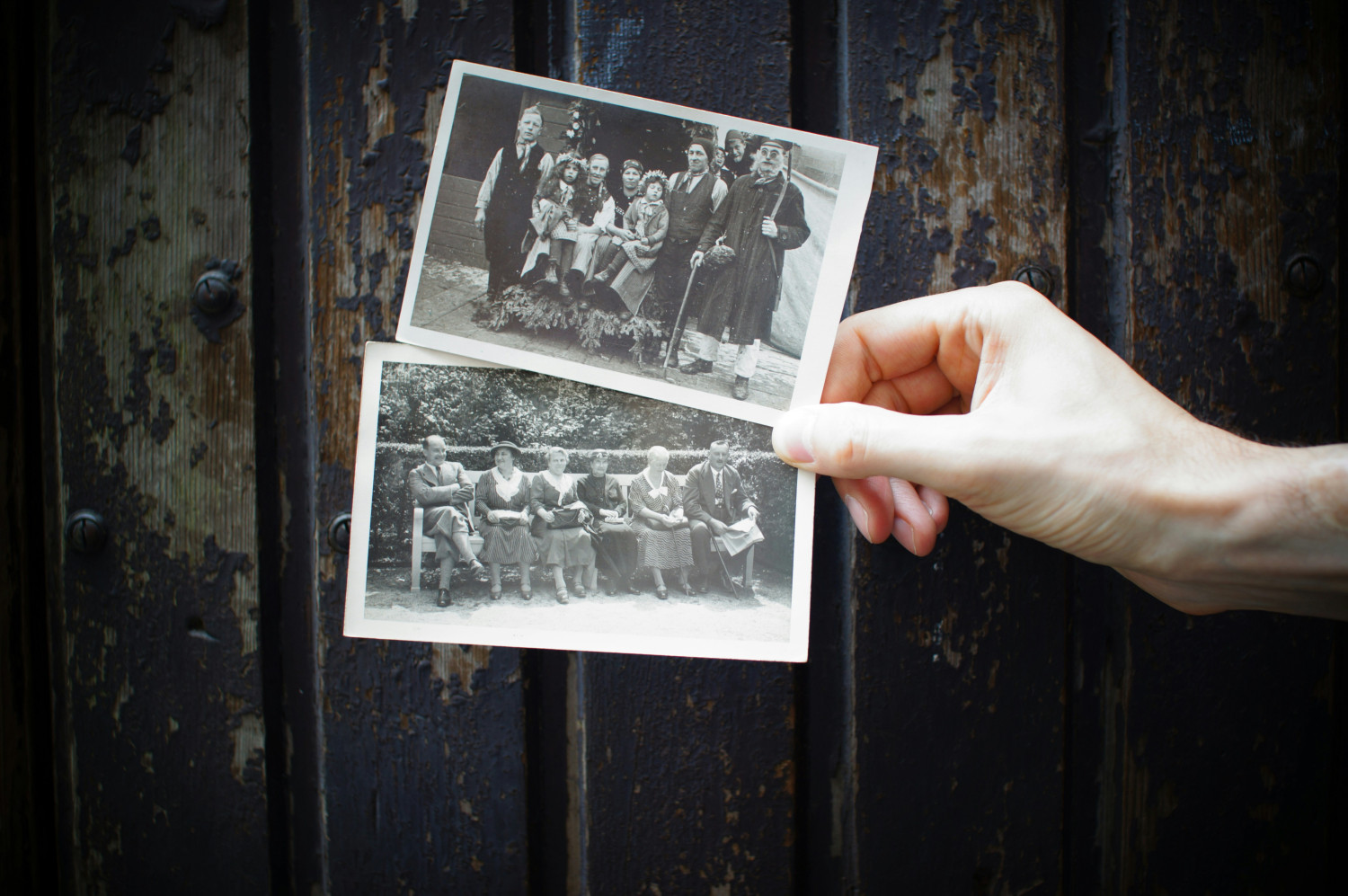
Family traditions can give children and adults a steady, comforting way to remember someone who has died. Grief may change over time, but birthdays, holidays, and everyday family moments can still bring strong feelings to the surface.
A meaningful tradition doesn’t need to be elaborate. The best fit may be as simple as cooking a favorite meal, displaying a photograph, or spending an afternoon helping a cause that mattered to your loved one. Families can also adjust these practices as children grow and their understanding of loss changes.
Creating New Rituals of Remembrance
Choose a ritual that fits naturally into your family’s schedule and reflects the person you’re remembering. A small practice that happens consistently often feels more manageable than an ambitious event that becomes difficult to maintain.
Families might light an electric candle at dinner on a loved one’s birthday, play that person’s favorite music while decorating for a holiday, or visit a meaningful park each spring. Guidance on new family traditions from VCU Health explains how rituals can help families acknowledge loss while finding ways to move forward together.
Start by considering three practical questions:
- How often should the ritual happen?
- Which family members want to participate?
- Can the tradition change from year to year?
Children should have choices about joining in. One child may enjoy drawing a picture for a memory book, while another may prefer a quiet walk. Letting kids participate in their own way keeps remembrance from feeling like an obligation.
Physical objects can become part of the ritual too. Families coping with the loss of a dad might choose a personalized ornament, wind chime, keepsake box, or photo gift to bring out on meaningful dates. Focus on how the item connects to a specific memory, such as a favorite saying, family trip, or shared hobby.
Sharing Stories and Cherished Memories
Stories help younger family members understand who their loved one was beyond a name in a photo album. Tell them about ordinary moments as well as major accomplishments. A funny grocery store mishap or a familiar bedtime saying can reveal personality in a way that formal biographies often can’t.
Try setting aside 15 minutes after a family meal for everyone to share one memory. Record the stories on a phone, write them on index cards, or invite children to illustrate them. Over time, those contributions can become a family archive. A teenager might record an aunt describing childhood vacations, while a younger child creates a picture of the family dog mentioned in the story.
Prompts can help when no one knows where to begin:
- What always made this person laugh?
- Which meal did they love to cook or order?
- What advice did they often give?
- Which family celebration reminds you of them?
- What small habit made them unique?
There’s no need to correct every detail when relatives remember events differently. Memory is personal, and two versions of the same afternoon can both hold meaning. A guide to family memorial traditions offers more ideas for bringing relatives together through shared remembrance.
Save copies of recordings and scanned photographs in at least two places. Give files clear names with dates and people’s names so future family members can understand what they’re viewing.
Personalized Keepsakes for Every Home
A keepsake works best when it has a clear connection to the person being remembered. Instead of filling a room with memorial items, choose one or two pieces that suit your home and daily life. A framed handwritten recipe in the kitchen may feel personal, while a photo book can sit on a living room shelf for family members to open when they wish.
You can also make keepsakes together. Children might decorate a memory box for cards, ticket stubs, and copies of photographs. Older kids can help scan family pictures or create captions for a digital album. If an original item is fragile or valuable, photograph it and place the image in the box so children can explore the collection safely.
Other practical options include:
- A quilt made from meaningful clothing
- An ornament engraved with a name or date
- A small indoor plant in a decorated pot
- A printed collection of family recipes
- A wind chime placed near a porch or garden
- A calendar marked with birthdays and family milestones, or even grow family traditions through gardening.
Consider where an item will live before creating or buying it. A large display may feel overwhelming in a small home, while a compact album or keepsake box can be stored privately. The goal is to provide a welcome connection, so family members should feel free to move or put away an object if seeing it becomes difficult.
Volunteering in Their Name
Service can turn a loved one’s interests into a tradition that reaches beyond the family. Select a cause that has a specific connection to the person, then choose an activity that works for everyone’s ages and abilities.
For example, a family might collect children’s books if their loved one was a teacher, prepare care packages if that person often helped neighbors, or spend a morning cleaning a local trail they enjoyed. The activity can happen annually on a birthday or at any time when relatives are available. Some families prefer a quiet individual act, such as donating school supplies, instead of organizing a group event.
Keep the first project simple. A one-hour volunteer shift is often enough for young children, especially if the setting is unfamiliar. Explain where you’re going, what everyone will do, and how the work connects with the loved one. Afterward, invite children to talk about the experience without expecting a particular emotional response.
Lists of meaningful remembrance ideas can help families identify service projects and other tributes that fit their circumstances. Before collecting goods, contact the organization and ask what it currently needs. Many groups have limited storage or specific rules about accepted donations.
Record the project in a shared journal. A few sentences, a child’s drawing, or a group photo can show how the tradition develops across the years.
Celebrating Milestones with Love
Graduations, weddings, new babies, and major birthdays can bring happiness and grief into the same room. Families don’t need to hide either feeling. A short, thoughtful acknowledgment can include a loved one while keeping attention on the person whose milestone is being celebrated.
Talk with the guest of honor before adding a remembrance element. They may want to wear a piece of family jewelry, include a favorite flower in the decorations, or display a small photograph. At a graduation dinner, relatives could share one piece of advice the loved one might have offered. For a child’s birthday, reading a familiar book can create a gentle connection without changing the tone of the whole day.
Meaningful rituals in grief can offer structure when emotions feel unpredictable. Still, participation should remain optional. Some relatives may welcome a toast or story, while others may need to step outside or skip that part of the gathering.
Prepare children for possible reactions. Let them know that adults might cry even during a happy celebration and that tears don’t mean the event has gone wrong. Give them a simple job, such as placing a flower beside a photo, only if they want one.
Traditions can also evolve at milestones. A family that once released paper notes might begin adding messages to a permanent memory album. Changes like these allow remembrance to remain comfortable, safe, and suited to the family’s current needs.
A good first step is to ask each family member which memory they most want to preserve. Their answers may point toward a ritual that feels genuine, from an annual pancake breakfast to a box filled with handwritten stories. If grief continues to disrupt sleep, school, work, or daily routines, a licensed counselor or local grief support program can offer added help.
