


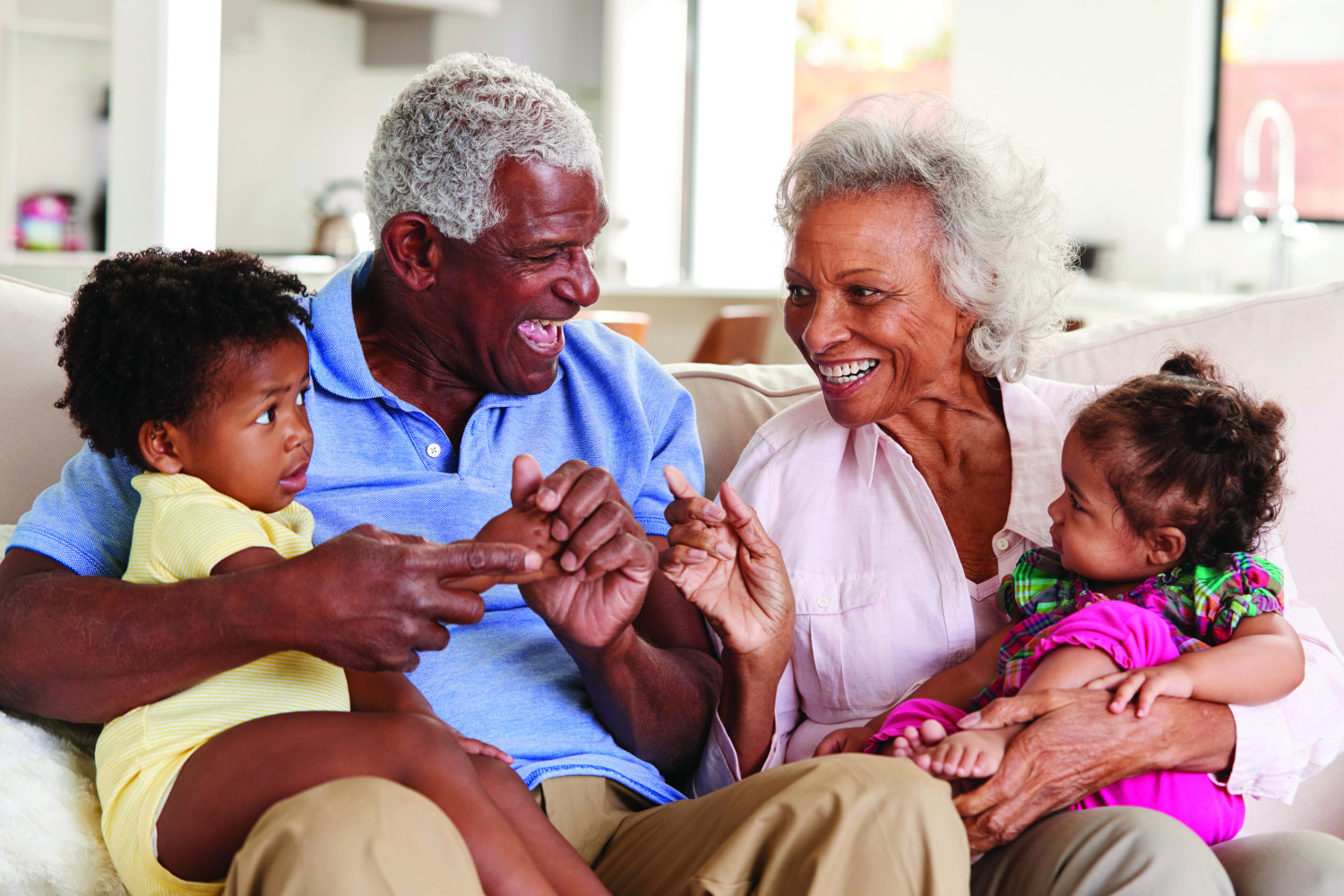
Later life brings more freedom to pursue interests, maintain friendships, and build new routines. A senior community becomes more rewarding when residents have regular reasons to think, talk, move, and participate. Lifelong learning supports mental engagement, while social ties provide companionship and practical encouragement. Together, these experiences create a daily rhythm that supports confidence and independence. The value becomes clearer through the activities, relationships, and shared spaces that shape community life.
A well-planned senior community gives residents different ways to remain involved without making participation feel like an obligation. Some people prefer discussion groups, while others enjoy creative projects, exercise sessions, or shared meals. A setting such as Green Hills Senior Community can support these choices with spaces and routines that encourage residents to connect at their own pace. That variety respects personal interests while keeping social contact within easy reach.
Learning Keeps Daily Life Purposeful
Learning does not stop after formal education. Older adults gain mental stimulation through subjects that match their experience and curiosity, including history, music, gardening, technology, or current affairs.
A class gives residents a reason to prepare, attend, and contribute. Those steps create structure without making every day feel identical. Learning also gives people fresh conversation topics, which makes it easier to build friendships with neighbors who share similar interests.
Practical learning has direct value. A resident who joins a technology session might communicate more easily with family members. Someone who attends a cooking demonstration could try a new recipe at a shared meal. These activities connect mental engagement with everyday confidence.
Social Ties Support Wellbeing
Regular contact with other people helps reduce isolation and creates a sense of belonging. A simple conversation over breakfast can become a familiar daily ritual, while a group activity creates repeated opportunities to recognize faces and learn names.
Friendships also encouraged during periods of change. A neighbor might invite someone to an activity, check in after an appointment, or share advice about a local event. These small interactions add warmth and continuity to community life.
Social connection works best when residents have genuine choices. Staff can share information about activities, yet each person should decide how often to join. Respect for personal preference makes participation more comfortable and supports a greater sense of control.
Shared Activities Build Confidence
Group activities help residents practice communication, decision-making, and cooperation. A discussion group asks participants to share an opinion, while a craft session lets people teach techniques or exchange ideas.
Movement-based activities bring another benefit. Walking groups, gentle exercise, and dance sessions support physical activity alongside conversation. The social element gives participants a reason to attend, even on days when motivation is lower.
Small groups often suit people who dislike crowded gatherings. A book discussion or gardening project creates a calmer setting for conversation. Larger events still have a place, especially for celebrations, performances and community meals.
Spaces Shape Participation
The physical setting affects whether residents choose to spend time together. Comfortable lounges, accessible outdoor areas and dining spaces make spontaneous contact easier. Clear pathways and suitable seating also help people move around with confidence.
A well-organized calendar matters just as much. Activities should appear at varied times, with enough notice for residents to plan their day. Repeated sessions help people form habits, while occasional new events prevent routines from becoming dull.
Personal interests should guide the program. Resident feedback can reveal which activities attract sustained participation and which require adjustment. A community that listens creates a better balance between familiar favorites and new opportunities.
Families Benefit From Connected Routines
Social and learning activities also give families more meaningful ways to stay involved. Relatives can attend a performance, discuss a class topic, or join a shared meal. These experiences create conversation beyond health updates and practical arrangements.
Residents often feel more confident discussing their days when those days contain purposeful activity. Families then gain a clearer view of interests, friendships, and achievements. This knowledge supports more personal visits and better conversations.
Regular contact between residents and relatives remains important, but it does not replace peer relationships. Friends who share the same setting understand daily routines in ways visiting family members cannot always replicate.
Conclusion
A senior community gains depth when learning, friendship, and personal choice shape everyday routines. Classes give residents fresh subjects to discuss, while shared activities create repeated contact and practical encouragement. Comfortable spaces and varied schedules make participation easier without pressuring anyone to join everything. Families can support this rhythm by asking about interests rather than focusing only on care needs. Visiting a community, reviewing its activity calendar, and speaking with residents are beneficial next steps.
