


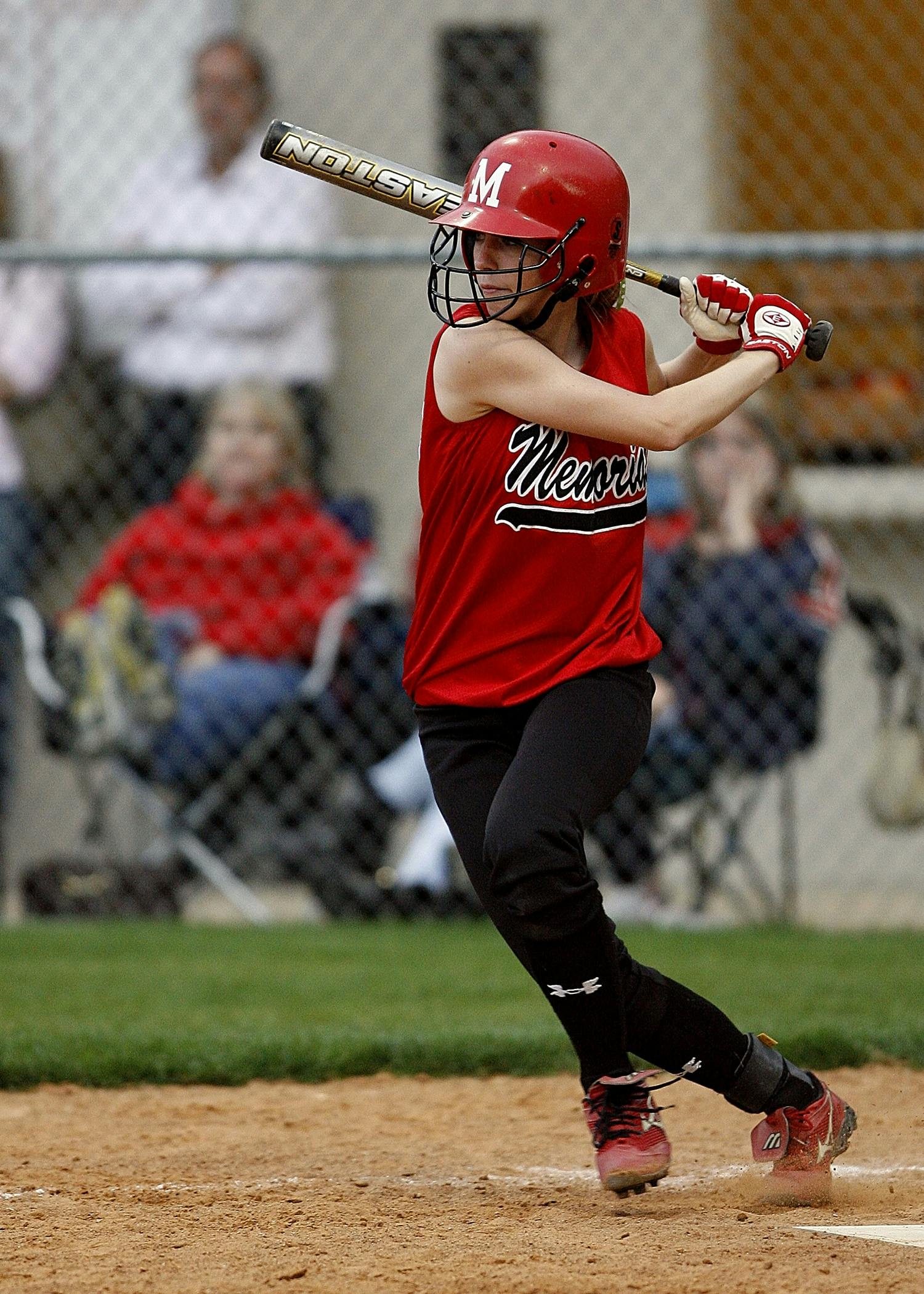
Friday night lights, weekend tournaments, early-morning practices. Teen athletes push hard, and most parents only start thinking about spine safety when something goes wrong. A stiff neck after a tackle or tingling down an arm can feel minor in the moment, yet these signs are often ignored until they become harder to fix.
The challenge is that teenage bodies are still growing, while the sports they play demand adult-level force and repetition. Add heavy backpacks, long school days, and poor recovery habits, and the spine takes more stress than many families realize. Most injuries do not come from one dramatic hit but from small issues stacking up over time.
That is why spine safety needs to be part of preseason prep and in-season routines, not just post-injury care. The numbered tips below help athletes stay strong, parents spot red flags early, and everyone makes smarter choices that protect long-term health.
1. Start With Preseason Screening and Baseline Checks
Before the season begins, a quick musculoskeletal screening can identify mobility limits, muscle imbalances, or prior injuries. Creates a baseline that helps coaches and parents recognize changes once play ramps up. Even simple range-of-motion checks can catch issues early.
A solid preseason foundation should include:
- Neck mobility assessment
- Shoulder and hip balance checks
- Core stability screening
- Prior injury review
These steps do not replace medical care, but they reduce surprises once the season starts.
2. Understand Neck and Nerve Warning Signs Early
Many teens assume neck discomfort is just part of playing sports. Parents may hear about soreness but miss clues that point to nerve involvement rather than muscle strain. Knowing the difference helps families act sooner.
When learning about nerve-related symptoms, it can help to understand how spinal pressure is treated in more serious cases, including procedures like a laminectomy. Discover how decompression works and when it may be considered.
Symptoms that should not be ignored include:
- Arm tingling or numbness
- Burning pain down one side
- Weak grip strength
- Symptoms lasting longer than 48 hours
These signs often warrant professional evaluation rather than rest alone.
3. Build Neck Strength Without Overloading
Strong neck muscles help stabilize the cervical spine during impact. However, teens should not load the neck with heavy resistance or unsafe drills. The goal is control and endurance, not brute force.
Effective neck strengthening habits include:
- Isometric holds in neutral positions
- Resistance band stability work
- Slow controlled movements
- Supervised technique correction
Done consistently, these exercises improve protection without increasing injury risk.
4. Prioritize Proper Helmet and Pad Fit
Protective equipment only works if it fits correctly. Teen athletes grow quickly, and gear that fit last season may no longer offer proper support. Poorly fitted helmets increase the risk of both head and neck injuries.
Parents should check fit at least once per season:
- Helmet sits level without wobble
- Chin strap stays snug during movement
- Shoulder pads align with joint centers
- No exposed pressure points
When in doubt, re-fitting is always safer than pushing through.
5. Fix Backpack Habits During the Season
Sports gear plus school supplies often means overloaded backpacks. Carrying excessive weight daily places chronic strain on the spine, especially during growth spurts. This stress compounds with athletic training demands.
Smarter backpack habits include:
- Weight under 10-15% of body weight
- Both straps are worn consistently
- Chest or waist straps engaged
- Locker use whenever possible
Small changes here can significantly reduce cumulative spinal stress.
6. Use Sport-Specific Technique Cues
Each sport places unique demands on the spine. Football, soccer, gymnastics, and wrestling all involve different loading patterns. Teaching sport-specific technique reduces unnecessary strain.
Key reminders athletes should hear often:
- Keep your head up during contact
- Rotate through the hips, not the spine
- Avoid leading with the neck
- Maintain a neutral posture under fatigue
Repetition of safe cues matters most late in games and practices.
7. Never Skip Warmups and Recovery
Warm muscles protect joints and nerves more effectively than cold, stiff tissue. Warmups also help athletes tune into how their bodies feel before competition. Recovery supports the spine just as much as training does.
A complete routine should include:
- Dynamic mobility drills
- Light cardio activation
- Post-practice stretching
- Adequate sleep hours
Consistency here reduces both acute and overuse injuries.
8. Know When Sitting Out Is the Smart Choice
One of the hardest lessons for competitive teens is learning when to stop. Playing through pain may seem brave, but it often leads to longer setbacks. Parents play a key role in reinforcing this message.
Situations that warrant sitting out include:
- Recurrent stingers
- Neck pain with arm symptoms
- Dizziness after impact
- Pain that worsens with play
Short-term rest can prevent long-term damage.
9. Create a Clear Care Pathway Before Injury Happens
Waiting until an injury occurs to figure out the next steps adds stress for everyone. Families should know who to call, where to go, and how care decisions are made. Preparation improves outcomes and confidence.
A strong care plan includes:
- Primary care or sports medicine contact
- Physical therapy referral options
- Imaging decision guidelines
- Specialist consultation thresholds
Planning removes guesswork during emotional moments.
Final Thoughts on Spine Safety for Young Athletes
Spine safety is not about fear or limiting participation. It is about helping teen athletes train smarter, recover better, and recognize when something is not right. Parents and coaches who stay proactive give young players a real advantage.
By understanding warning signs, supporting proper technique, and knowing when advanced care options like those explained by NuSpine come into play, families can protect both performance and long-term health. A strong season should never come at the cost of a healthy spine.
