


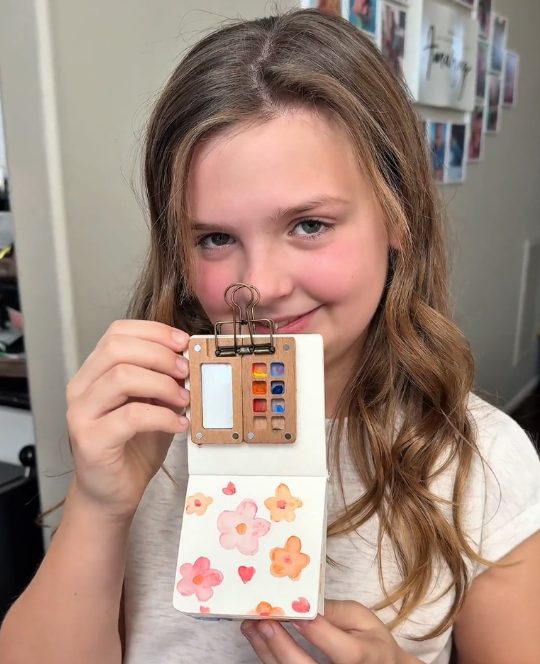
It’s a gray Saturday. The kids have already watched their screens, the backyard is a mud pit, and you can feel the “I’m bored” building. You need a win, something creative, reasonably calm, and finished before anyone melts down.
Watercolors might be that win. With about 10 minutes of setup, a handful of supplies, and five simple activities, you can turn an aimless afternoon into a “look what I made” moment. This guide gives you a repeatable routine, five ready-to-run projects, and a few Northeast Ohio ideas for keeping the creativity going.
Why watercolor works for busy families (and anxious perfectionists)
Watercolors are forgiving. Unlike acrylics or markers, mistakes blend away. Colors layer and shift, so there’s no “ruined” painting, just happy accidents. That makes them ideal for kids who get frustrated when things don’t look “right.”
They’re also surprisingly calming. The brush-dip-paint rhythm slows kids down without feeling like a chore. And from a development standpoint, watercolors build fine motor control, color recognition, and the kind of open-ended thinking that structured activities sometimes miss.
The 10-minute setup (so mess stays contained)
Materials
- Washable watercolor palette (Crayola works fine)
- Thicker paper (cardstock or mixed-media paper holds up better than printer paper)
- 2-3 brush sizes (one fat, one skinny)
- Two cups of water (one for rinsing, one for clean water)
- Old towel or paper towels
- Painter’s tape
- Scrap paper for testing colors
Parent pro tips
- Tape the paper edges to the table. This keeps paper from curling and gives you clean borders when you peel the tape off, an instant “framed” look.
- Use the two-cup trick. One cup for rinsing dirty brushes, one for picking up clean water. Muddy water = muddy colors.
- Lay down an old shower curtain or plastic tablecloth. Cleanup drops to about 90 seconds.
5 activities (each with time, steps, and a quick variation)
1) Color-Mix Treasure Hunt (15-20 minutes, ages 4+)
Goal: Create six “new” colors by mixing primaries.
Steps:
- Start with red, yellow, and blue only.
- Challenge your child to mix and find six colors that aren’t on the palette.
- Name each new color together: “Sunset Orange,” “Frog Green,” whatever they want.
- Paint small swatches and label them on the paper.
Variation: Hunt for colors that match something in your house: a couch pillow, a winter coat, a favorite toy.
2) Pattern Postcards (15-25 minutes, ages 5+)
Goal: Make three mini “postcards” using simple patterns.
Steps:
- Cut paper into postcard-sized rectangles (about 4×6 inches).
- Paint each card with a different pattern: stripes, polka dots, or zigzags.
- Let dry, then flip over and write a short note on the back.
Variation: Actually mail one to grandparents or a faraway friend. Kids love getting responses.
3) Crayon-Resist Name Art (15-20 minutes, ages 4+)
Goal: Reveal a “secret” name using wax resist.
Steps:
- Have your child write their name in white crayon, pressing firmly.
- Paint a watercolor wash over the entire paper.
- Watch the name appear like magic.
Variation: Draw shapes, stars, or a simple picture in white crayon first, then reveal with color.
4) Texture Stamping (20-30 minutes, ages 5+)
Goal: Create prints using household textures.
Steps:
- Gather textured items: bubble wrap, leaves, a LEGO baseplate, crinkled foil.
- Lightly brush watercolor onto the textured surface.
- Press onto paper. Lift carefully.
- Repeat with different colors and textures.
Variation: Layer prints to create an abstract “texture collage.”
5) One Prompt, Three Styles (20-30 minutes, ages 6+)
Goal: Paint the same subject three different ways.
Steps:
- Pick a simple prompt: “a tree,” “your pet,” “a house.”
- Divide paper into three sections.
- Paint the prompt three ways: realistic, abstract (just shapes and colors), and silly (add sunglasses, make it upside down, go wild).
Variation: Let siblings or friends each take one style, then compare.
Parent pro tip: This one’s great for perfectionists. When “silly” is an option, there’s no pressure to get it “right.”
Pick a prompt source (so you’re not inventing ideas every time)
Coming up with “what should I paint?” on the spot gets exhausting. Having a go-to prompt source means you can repeat this routine weekly without running dry on ideas.
Library art books work well. Ask your local branch for picture books with painting projects or illustrated nature guides that inspire simple subjects. Free printable prompt lists are all over Pinterest if you want variety. If your child likes a bit more guidance, a prompt-based workbook can remove the “what do I paint?” moment entirely. Options like Tobio’s Workbooks work well because kids can follow a page, finish fast, and feel proud, then you can repeat the routine next weekend. The key is having something ready so you’re not staring at blank paper together.
Make it local: Northeast Ohio inspiration
Once kids get comfortable with watercolors, you can stretch the activity by connecting it to your surroundings.
Paint your neighborhood. Ask them to paint your front porch, a favorite local park, or “what Lake Erie looks like today.” It doesn’t need to be accurate. It’s about noticing.
Visit a museum or library program. Several Northeast Ohio institutions run family art sessions that pair well with at-home practice.
Save and display (so kids feel proud and want to do it again)
The fastest way to kill enthusiasm is letting paintings disappear into a junk drawer. A few simple habits keep the momentum going.
Snap a photo before anything gets lost and create a “gallery” album on your phone. For physical display, cheap frames from the dollar store work fine, or dedicate a binder with plastic sleeves as a “portfolio.” Some families do a monthly rotation: tape four favorites to the fridge, swap them out when new ones come in.
When kids see their work valued, they want to make more.
Quick FAQ
What age can start watercolors? Most kids can handle basic watercolors around age 3-4 with supervision. Expect a mess. By 5-6, they can work more independently.
How do I prevent spills? Use wide, heavy cups (mason jars work great). Place them on a folded towel. Accept that some spills will happen anyway.
What’s the best paper for kids? Cardstock or mixed-media paper. Regular printer paper gets soggy and pills. You don’t need fancy watercolor paper for casual projects.
What if my child hates following instructions? Skip the structured activities and just let them paint freely. The setup routine still works, you’re just removing the “assignment.” Some kids need that freedom.
