


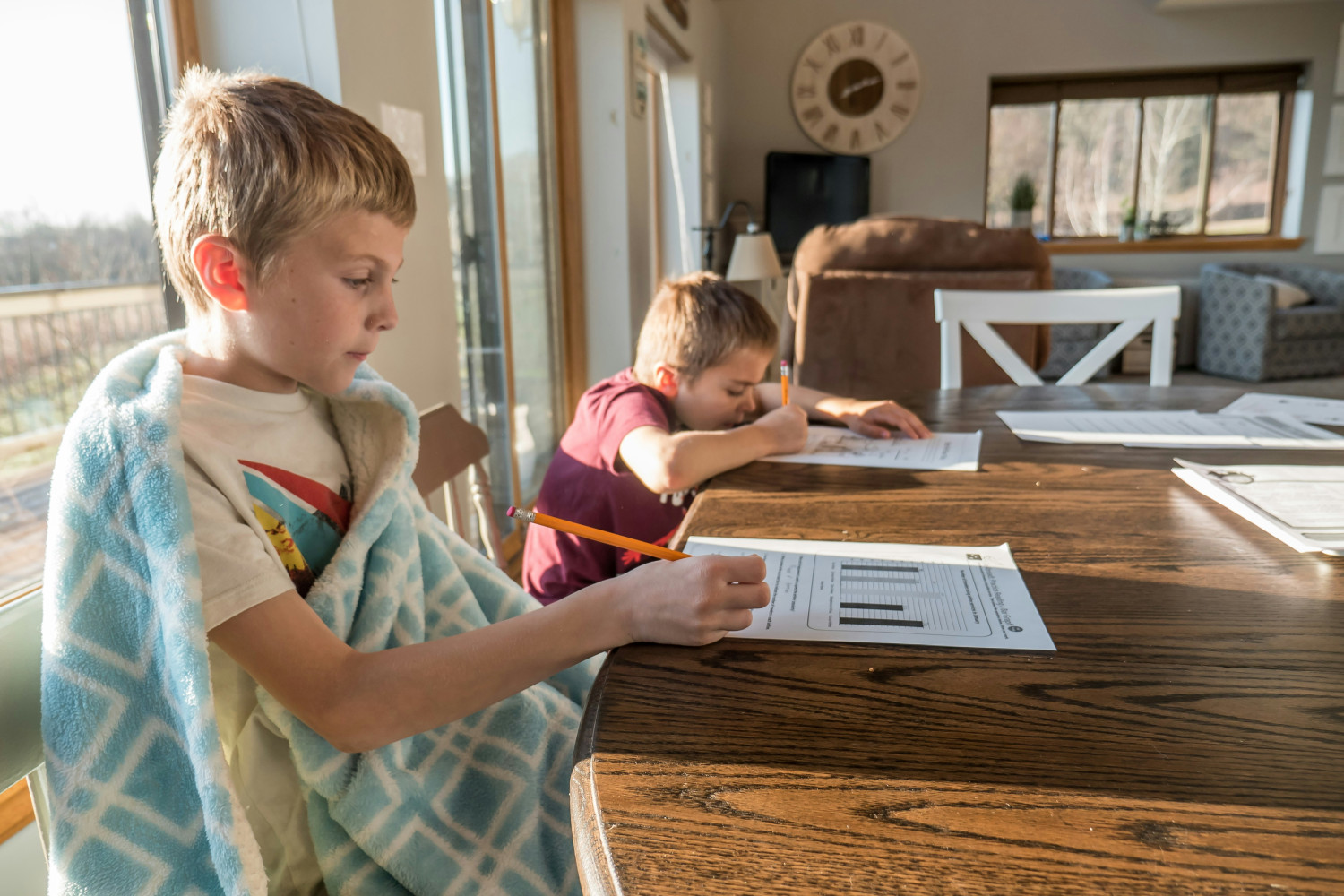
If homework time regularly ends in tears, avoidance, or a standoff at the kitchen table, you’re not alone. Many kids, especially those with attention and executive function challenges, hit a wall after school.
They’re depleted from a full day of learning, social navigating, and sensory input. When they finally sit down to work, their brain stalls.
The good news: homework freeze isn’t a character flaw or a motivation problem. With a predictable, low-pressure after-school plan, you can help kids transition from “school mode” to “task mode” and get started without battles.
Below is a practical, step-by-step routine you can tailor to your child’s age and needs.
Step 1: Understand What “Freeze” Really Means
Before changing the routine, it helps to name what’s happening. Homework freeze often shows up as staring at the paper, sharpening pencils endlessly, melting down, or insisting “I don’t know how” before trying.
This response is often known as ADHD paralysis, a state where the brain feels overwhelmed by decisions, task size, or emotional load, even when the child understands the material.
Reframing freeze as a nervous system issue, not defiance, changes how you support it.
Step 2: Build in a Transition Buffer (Movement + Snack)
Expecting kids to jump straight from the school bus to homework is a setup for resistance. Their brains need a reset.
Start with 20 to 30 minutes that includes:
- Light movement (walking the dog, trampoline, scooter ride)
- A protein-forward snack (cheese, yogurt, peanut butter, eggs)
- Minimal questions about school right away
Movement helps discharge stress and improves focus. Protein stabilizes blood sugar, which directly impacts attention and emotional regulation.
Step 3: Use a Two-Minute Kickoff (Not “Finish Your Homework”)
One of the biggest freeze triggers is being asked to complete everything at once. Instead, lower the bar to entry.
Try this script: “We’re just getting started for two minutes. That’s it.”
Set a timer for two minutes and help them:
- Write their name
- Read the first question
- Open the assignment online
Once started, momentum often carries them forward. If not, you still avoided a power struggle, and you can reset.
Step 4: Break Work Into Micro-Tasks
Large assignments are overwhelming, even when they look reasonable to adults. Break work into visible, finishable chunks.
Examples of micro-tasks:
- “Do just the odds”
- “Answer questions one and two”
- “Write one sentence”
- “Solve one row of problems”
Crossing off small wins releases dopamine and builds confidence. You can even cover the rest of the page with a blank sheet to reduce visual overload.
Step 5: Offer Visual Choice Boards (Reduce Decision Fatigue)
Kids in freeze often can’t decide how to work, which adds another layer of stress. Visual choice boards remove that pressure.
A simple board might offer:
- Where to work (desk, couch, floor)
- How to work (quiet, music, body-double)
- What to use (pen, pencil, keyboard)
Limit choices to two or three options. The goal isn’t freedom. It’s a relief from decision-making.
Step 6: Use Timers and Body-Doubling Strategically
Time can feel abstract and endless during homework. Externalizing it helps.
Helpful tools include:
- Visual timers (Time Timer–style)
- Short work sprints (10–15 minutes)
- Planned breaks that are guaranteed
Body-doubling, such as working near someone else who is calmly focused, can also be powerful. You don’t have to teach or hover. Simply folding laundry or answering emails nearby can be enough to anchor attention.
Step 7: End With a Positive Wrap-Up
How homework ends matters just as much as how it begins. Even if not everything gets done, close the loop intentionally.
Try to:
- Acknowledge effort (“You stuck with that longer than yesterday.”)
- Note one success (“You started without arguing.”)
- Preview tomorrow (“Same plan tomorrow – movement, snack, two minutes.”)
This reinforces safety and predictability, which reduces future freeze.
Step 8: Loop in Teachers When Needed
If homework regularly takes hours or causes distress, it’s appropriate to communicate with the teacher.
You can ask about:
- Reduced workload or modified assignments
- Priority problems only
- Extra time or flexible deadlines
For students with an IEP or 504 plan, supports like chunking, reduced repetition, or homework caps can often be formally included.
Final Takeaway
Homework freeze isn’t about laziness or lack of ability. It’s a signal that the brain needs structure, safety, and smaller steps. By creating a consistent after-school plan, one that includes movement, micro-tasks, clear starts, and calm endings, you help kids access the skills they already have.
Progress may be gradual, but every smooth start is a win.
