


Getting older is often associated with health changes, some bigger than others. However, even the smaller ones must be dealt with when it comes to elderly loved ones, especially as getting them treated can help improve their health and quality of life. Keep reading to find out more.
Partial hearing loss
Hearing loss can be major, minor or somewhere in between. In cases of minor hearing loss, the inner ear usually wears down, causing higher frequencies to be harder to hear. Background noise, in particular, can make it harder to hear in this type of hearing loss.
Usually, the best course of action for this type of hearing loss is to make sure you aging parent gets a hearing test to ascertain exactly what is going on. They will then be able to recommend whether a hearing aid will be of use. It also makes sense to reduce any exposure to loud noises, as this can aggravate the issue.
Spider veins
Spider veins are small veins that protrude from the legs so that they are raised and visible. Usually they are caused by the blood flow in the body slowing down, something that can happen with age. Vein valves can also weaken with age and lead to this condition, especially if a person has a job or a lifestyle where they need to stand for long periods of time.
The good news is that spider veins are very treatable. Indeed, there are vein specialists who can diagnose in a single visit. They can also offer comfortable, non-invasive care for this condition. People suffering from spider veins can also make sure that they walk regularly, wear compression stockings, and elevate their legs to help minimize their symptoms.
Joint stiffness
If your elderly loved one is suffering from reduced flexibility in the mornings or after sitting for long periods, they may struggle with joint stiffness. Caused by thinning cartilage and less lubrication in the joints, joint stiffness can cause people to move even less, reinforcing the problem.
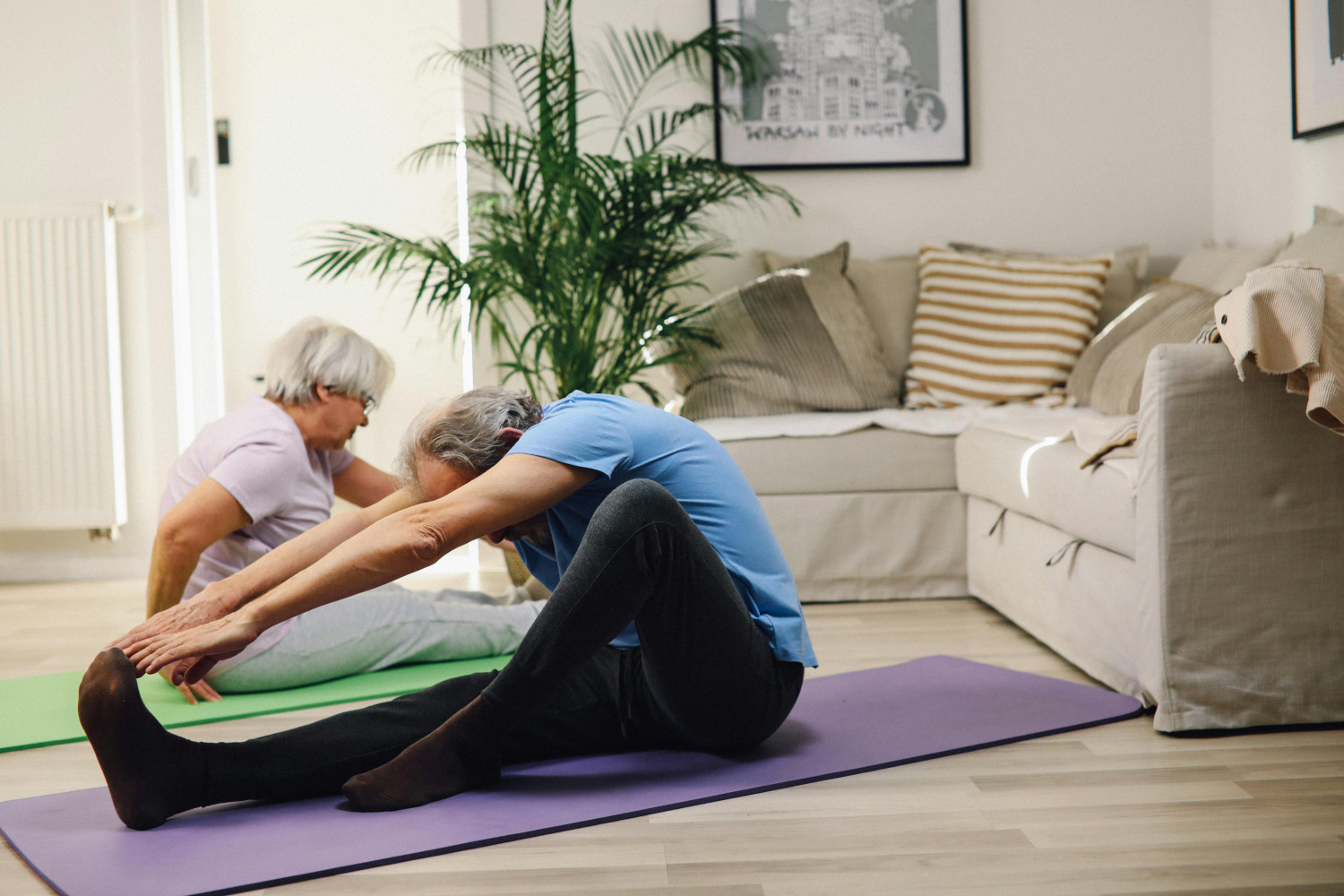
If you are looking to help an ageing loved one with joint stiffness there are several things you can do. Firstly, a warm shower in the morning can help get things moving. Secondly, gentle daily exercise such as stretching or anything low-impact can also be beneficial. It also makes sense to go to their care provider and ask about anti-inflammatories and whether they would be useful.
Balance issues
Dizziness, or a feeling of instability, is quite common among older people. It can be caused by various issues, including declining muscle strength as well as changes in the inner ear. Even declining sight can make balance difficult in some cases.
Of course, the best thing to do here is to make sure that your loved ones get proper hearing and eye checks. It also makes sense to remove any trip hazards around their homes and ensure that they wear sensible and supportive footwear. Lastly, encouraging them to do balance exercises can also be useful in these cases, as long as they are under the direction of a medical professional.
