


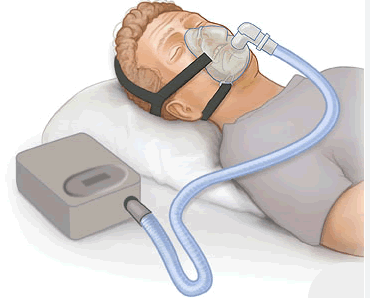
For many people with sleep apnea, continuous positive airway pressure (CPAP) therapy is the standard answer. But many have difficulty wearing the device every night or find it uncomfortable. If you are looking for alternatives to treat sleep apnea, there are options. Each option has its own set of benefits, enabling anyone to find their optimal approach to suit their lifestyle.
Oral Appliances: A Simple Solution
Oral devices serve as more portable CPAP alternatives. These are mouthguard-like devices that function by repositioning the jaw during sleep. Your dentist customizes each device for comfort and effectiveness. People like them because they are portable and simple to clean. They are also great for anyone who is a frequent traveler or is just not a fan of wearing a mask.
Positional Therapy: Adjusting Sleep Positions
Breathing during sleep can be greatly influenced by sleep position. The purpose of positional therapy is to avoid sleeping on the back because this sleeping position usually aggravates the symptoms of apnea. Pillows and wearable devices help maintain the user in a side-sleeping position. This method doesn’t use any tools and is easy for those who want to take it simply and naturally. For mild to moderate sleep apnea, positional therapy can eliminate symptoms.
Weight Management: Improving Overall Health
Weight management is a key factor in controlling the severity of sleep apnea. Particularly during rest, tissues around the throat can block the airflow. Eating healthy and regular exercise help achieve healthy weight management. Even small amounts of weight loss can significantly enhance breathing at night for some. For patients with mild symptoms, health care providers frequently promote weight management as an initial treatment.
Nasal Devices: Enhancing Airflow Comfortably
Another gentler option for improving breathing at night is nasal devices. These devices include nasal dilators or strips, which widen the airways to reduce resistance. Nasal valves fit inside the nostrils, creating a slight backpressure that helps keep the airways open. These options work for people with mild or partial blockages or if the only issue is snoring. The solutions are also discreet and simple to use, which is probably why so many people are attracted to them.
Surgery: Addressing Structural Concerns
In some cases, surgery is a more permanent and viable long-term solution for sleep apnea. The operations can eliminate extra tissue, move structures, or address nasal obstructions. Medical experts sometimes recommend surgery when other treatments fail to provide relief or if the abnormalities block the airway. Specific operative options depend on the individual anatomy of each patient. Though it may take time to recuperate, a surgical procedure can offer long-term relief for most individuals.
Behavioral Changes: Supporting Healthy Habits
You can make simple lifestyle changes to help you sleep better and with less apnea. Do not drink alcohol and sedatives before sleep, as this can relax the muscles of the respiratory tract too much. Having a set time for sleeping makes it easier for the body to get into a routine. Making the bedhead higher may also help with breathing at night. Even small changes make a big difference over a long period.
Adaptive Servo-Ventilation: Advanced Breathing Support
For people suffering from central sleep apnea, adaptive servo-ventilation may be a more elaborate option. It tracks how you breathe and changes airflow accordingly in real time. Sensored servo-ventilation is appropriate for more complex cases than CPAP due to the responsiveness to each breath. Those in need of targeted support may find that wearing a pair improves both comfort and effectiveness. Despite the non-invasive nature and high success rates of this treatment, medical professionals should always supervise its use.
Inspiration From Peer Support Groups
Support groups offer moral support and useful information for those seeking alternatives to CPAP. When you share experiences, it makes you feel that you are not the only one suffering from sleep apnea. Most people learn fresh approaches to managing their situation and some information about what is new in treatment. Meeting regularly motivates and reminds people that there is a solution to meet all their needs.
Conclusion
There are several ways to treat sleep apnea that work even better than CPAP and offer their own unique advantages. Oral appliances or lifestyle changes can suit the person’s needs. It is best to consult your health care professionals to make sure you are on the right path. Under the right circumstances, anybody enduring sleep apnea can achieve good nights and a greatly improved standard of living.
