


For families managing diabetes, snacks are not a casual food choice. They are a clinical decision made multiple times a day, often under time pressure, in environments that do not always support careful planning.
Unlike meals, which tend to follow a routine, snacks are more likely to occur during transitions—between school and activities, during growth spurts, or when blood glucose levels are already trending in a direction that requires attention.
Because of this, snacks can either support glucose stability or introduce unnecessary risk. The difference lies in composition, timing, and predictability. This article focuses on diabetes-appropriate snack strategies grounded in health and safety, with the goal of helping families reduce blood sugar volatility while still meeting nutritional needs—especially for children.
Why Snacks Are a Medical Consideration in Diabetes
In diabetes management, snacks are often used to:
- Prevent hypoglycemia between meals
- Stabilize blood glucose during long activity periods
- Support consistent energy levels for learning and physical growth
- Avoid large glucose excursions caused by delayed or skipped meals
For children with diabetes, these considerations are amplified. Young bodies have smaller glycogen reserves, higher relative energy needs, and less predictable appetite cues. A poorly chosen snack can result in rapid glucose elevation followed by a sharp drop, increasing the risk of both hyperglycemia and hypoglycemia.
For adults, inconsistent snacking can contribute to glucose instability, insulin dosing challenges, and long-term metabolic stress.
The goal of snack planning is not convenience. It is glycemic control with nutritional adequacy.
The Non-Negotiable Principle: Carbohydrates Must Be Controlled and Paired
Carbohydrates directly affect blood glucose. This is not optional, negotiable, or theoretical. The speed and magnitude of glucose rise depends on the type of carbohydrate, the amount consumed, and what it is eaten with.
In diabetes management, carbohydrates should almost never be consumed alone as a snack.
Pairing carbohydrates with protein and/or fat slows digestion and glucose absorption, resulting in a more gradual blood sugar response. This principle is foundational in clinical nutrition and applies to both children and adults with diabetes.
Unpaired carbohydrates—such as crackers, juice, sweetened yogurt, or snack bars high in sugar—can lead to rapid glucose spikes followed by reactive drops. Even foods marketed as “natural” or “organic” can be problematic if carbohydrate content is not carefully managed.
Choosing Safer Carbohydrates
Not all carbohydrates behave the same way in the body. For snacks, families managing diabetes should prioritize carbohydrates that are:
- Higher in fiber
- Lower on the glycemic index
- Minimally processed
Examples of safer carbohydrate sources include:
- Whole fruits (particularly berries, apples, pears, and citrus)
- Small portions of whole grains
- Legumes such as hummus or roasted chickpeas
- Unsweetened or lightly sweetened dairy
Portion size matters. Even appropriate carbohydrates can destabilize blood glucose when consumed in excess.
Highly refined carbohydrates—white bread, pastries, fruit snacks, sweetened cereals, and sugary beverages—should be reserved for treating hypoglycemia, not routine snacking.
Protein as a Stabilizing Component (Not a Shortcut)
Protein plays a critical role in diabetes management, but it must be used correctly. Protein slows gastric emptying, reduces post-snack glucose spikes, and supports growth in children and muscle maintenance in adults. It also increases satiety, which helps prevent overeating later in the day.
However, protein is not a substitute for carbohydrate management. High-protein foods that also contain large amounts of added sugar or refined carbohydrates can still cause unsafe glucose elevations.
This distinction matters, particularly with packaged snacks.
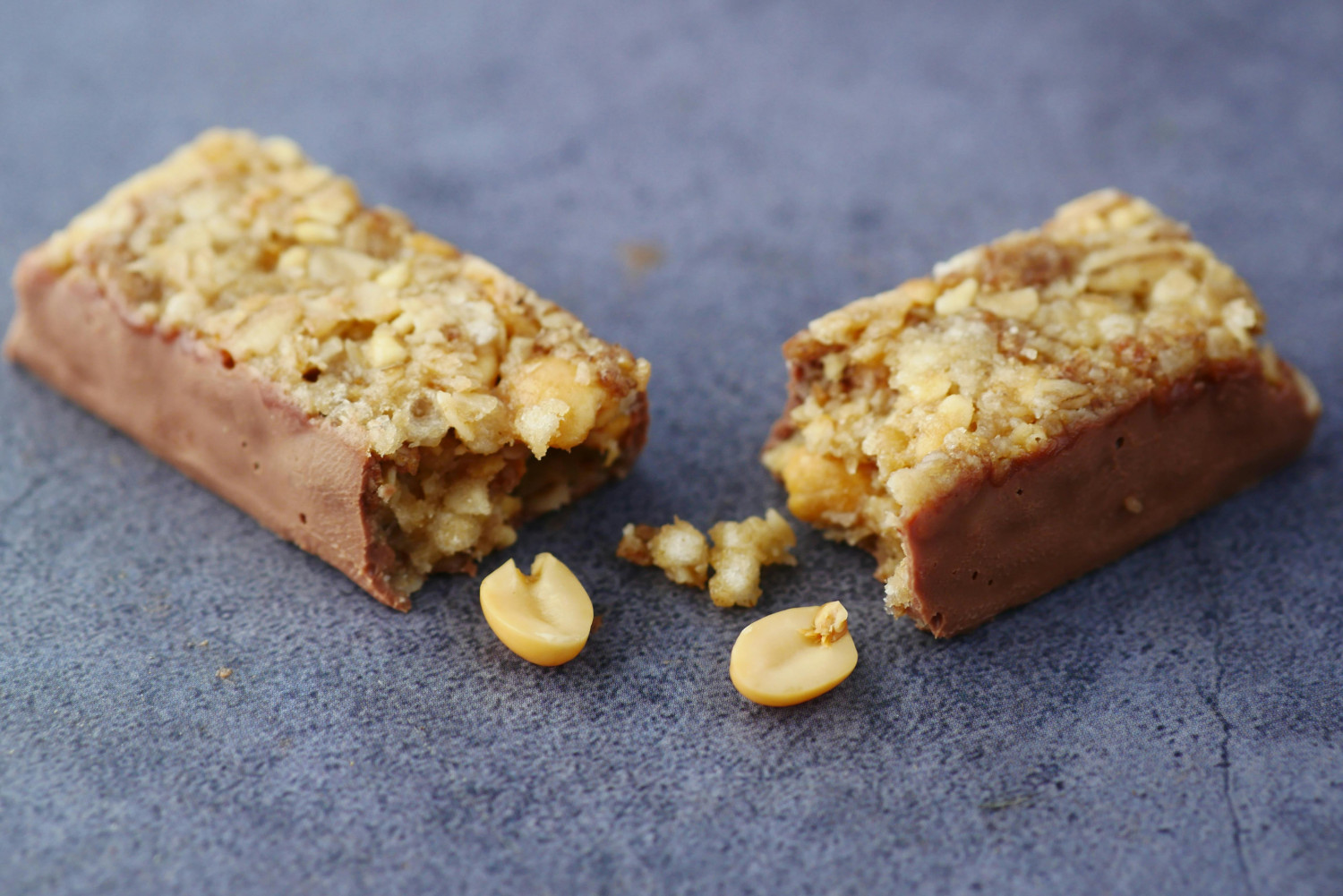
Snacks formulated specifically for people managing diabetes are a definite go. Ambari Nutrition has a great, safe option, tasty protein bars, that can be useful when families need predictable nutrition with transparent labeling. These products are designed to prioritize blood sugar stability rather than simply adding protein for marketing appeal.
Even so, individual glucose response varies. Protein supports control, but it does not override physiology. Monitoring, portion awareness, and ingredient review remain essential.
Healthy Fats: Useful but Secondary
Healthy fats further slow digestion and contribute to longer-lasting energy. They are supportive but should not dominate snack composition.
Appropriate fat sources include:
- Nuts and seeds
- Nut butters
- Avocado
- Olive-oil-based spreads
Because fats are calorie dense, portions must be controlled—especially for children. Excessive fat intake can contribute to unwanted weight gain, which may complicate insulin sensitivity over time.
Clinically Appropriate Snack Combinations
For families managing diabetes, snacks should be predictable, repeatable, and metabolically supportive. Examples include:
- Apple slices with measured peanut butter
- Plain Greek yogurt with a small portion of berries
- Cheese with whole-grain crackers
- Hummus with cucumber or bell pepper strips
- Cottage cheese with sliced fruit
- Portion-controlled diabetes-friendly protein bars
These combinations support glucose stability while still meeting nutritional needs and avoiding the perception that food is purely restrictive.
Safety Considerations for Children
Children with diabetes require additional safeguards:
- Consistency: Similar snacks at similar times reduce unpredictable glucose responses.
- Portion control: Even appropriate foods can cause hyperglycemia if portions are too large.
- Clear labeling: Added sugars are common in products marketed as “healthy.”
- Caregiver education: Schools, daycare providers, and relatives must understand approved snacks and emergency protocols.
Children should be gradually taught to recognize hunger cues, signs of low blood sugar, and the importance of not skipping planned snacks.
Snacks and Physical Activity
Physical activity increases glucose utilization and can raise the risk of hypoglycemia, especially in children.
Snack planning around activity should be intentional:
- Before activity: Easily digestible carbohydrates paired with protein
- After activity: Protein for recovery, carbohydrates to restore energy
Families should work with healthcare providers to adjust snack composition and timing based on activity level, insulin use, and individual response.
Emotional Eating and Diabetes
Food is not only physiological; it is emotional. For children especially, snacks can represent comfort, reward, or routine.
While diabetes requires structure, overly restrictive or punitive approaches to food can lead to anxiety, secrecy, or disordered eating patterns. Snacks should be framed as tools for health, not moral judgments.
A structured but compassionate approach supports both metabolic control and emotional well-being.
Planning Is the Most Effective Safety Measure
Most snack-related glucose problems occur when families are unprepared. Keeping appropriate snacks readily available reduces reliance on impulse foods that may not support glucose control.
Helpful strategies include:
- Stocking consistent, approved snack options
- Packing snacks before outings
- Maintaining a short list of reliable choices
- Rotating options within safe nutritional boundaries
Predictability reduces risk.
Fast-Acting Carbohydrates Are Not Snacks
Fast-acting carbohydrates—glucose tablets, juice, candy—serve a specific medical purpose: treating hypoglycemia. They are not snack foods and should not be used casually.
Families should always carry these items, but they should be used intentionally and followed by a balanced snack if needed to prevent recurrence.
The Bottom Line
Diabetes does not allow flexibility in physiology. Smart snacking is not about trends, convenience, or marketing claims—it is about safety, stability, and long-term health.
When snacks are chosen deliberately, they reduce glucose volatility, support growth, and make daily management more predictable. Protein, carbohydrates, and fats each have a role, but none work in isolation.
For families managing diabetes, snacks are not an afterthought. They are part of the treatment plan.
