


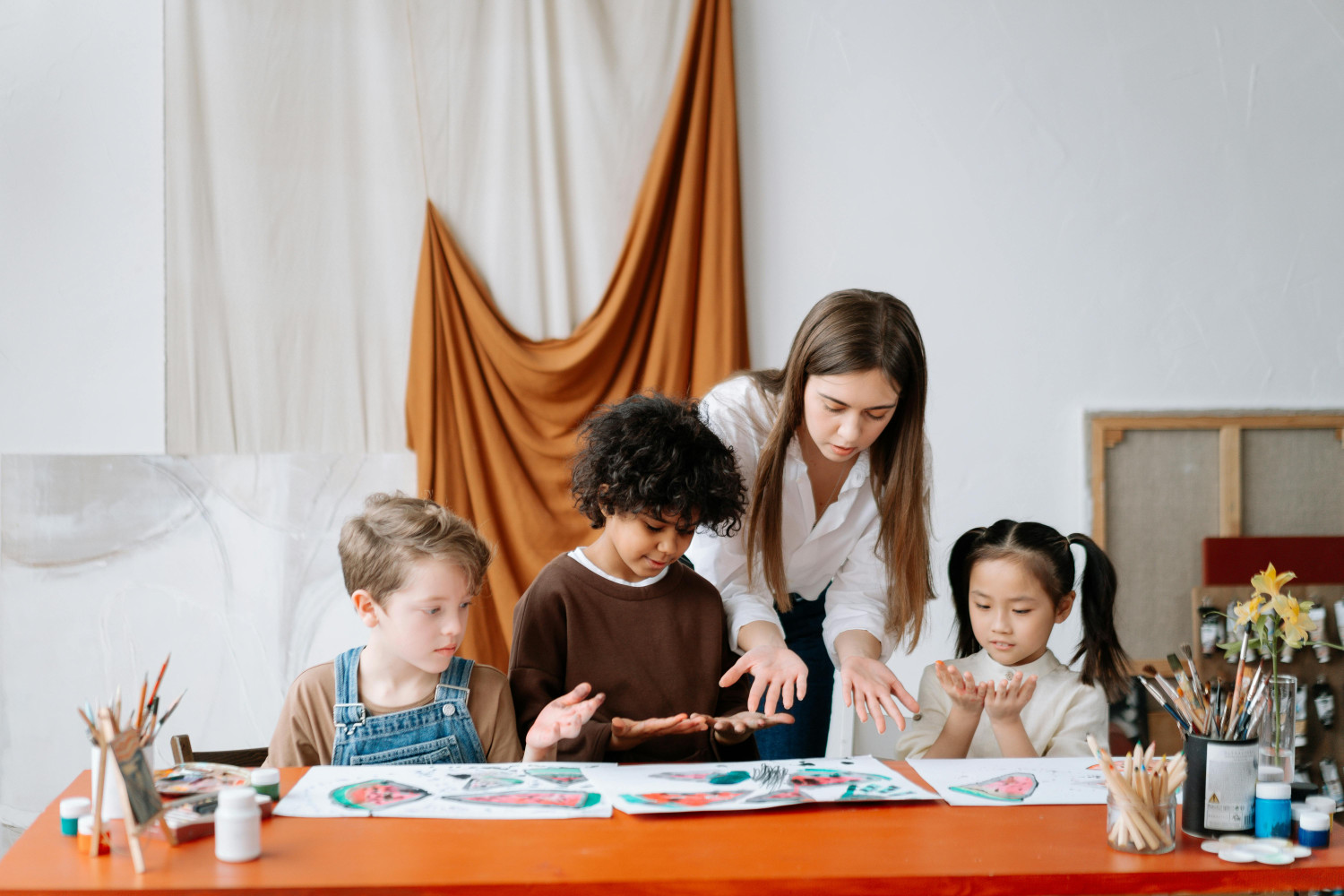
Every school year ends the same way. An envelope of portraits. A folder bursting with drawings. A certificate you’re oddly proud of. And somewhere on your phone? Two hundred photos from class plays, field trips, and that science project that took over the kitchen table for a week. You tell yourself you’ll sort it all soon. But it usually ends up in a box. Or a drawer. Or deep in your camera roll, lost between grocery lists and screenshots.
Here’s the thing: those school photos and scribbled drawings aren’t just paper. They’re tiny time capsules. And with a little intention, they can become something far more meaningful than a stack of clutter. One surprisingly easy way to bring it all together is through a simple digital slideshow. Tools like the family slideshow software SmartSHOW 3D make it manageable to combine photos, scanned artwork, short video clips, and music into something cohesive. Something you’ll actually want to watch again. There’s a free trial, so you can test the idea without committing to anything big.
If you’re not sure where to start, here are a few ideas.
1. Create a “Year in Review” — Just Like That
Instead of letting everything live in separate folders, gather one school year and tell its story in five to ten minutes.
Include:
- The official school portrait
- First-day and last-day photos
- A few favorite drawings
- Clips from concerts or performances
- Sports games or classroom projects
Put them in chronological order. Add short captions — nothing fancy. “First Soccer Goal.” “Third Grade Talent Show.” In something like SmartSHOW 3D, you can quickly drag images into place and apply simple, gentle transitions so it feels polished without being complicated.
When you watch a whole year unfold in minutes, it hits differently. You notice growth. Confidence. Subtle changes in handwriting. It’s surprisingly emotional.
2. Turn Artwork Into a Digital Gallery
Children’s artwork is wonderful. It’s also… a lot.
Big sheets of paper. Glitter. Paint. Bent corners. And somehow it all feels impossible to throw away.
Try scanning or photographing the best pieces instead. Create a dedicated “Art Gallery” slideshow. In SmartSHOW 3D, for example, you could zoom slowly into details of a drawing or create a simple collage layout to display several pieces at once.
Add:
- The date
- Your child’s age
- A one-line title (“The Purple Dragon Era”)
If they’re willing, record their voice explaining what they drew and why. That narration? Gold.
Over time, you’ll build a digital archive of creativity that doesn’t take up closet space.
3. Start a Birthday Slideshow Tradition
Here’s a simple but powerful idea: every birthday, show a short recap of the past year.
Not baby photos. Just the most recent twelve months — school milestones, artwork, friendships, funny moments.
Keep it consistent. Maybe use the same intro slide every year. The same opening song. SmartSHOW 3D makes it easy to save a project style and reuse it annually, which helps build that sense of tradition without starting from scratch.
Year after year, those videos become a living timeline. And one day, they’ll be priceless.
4. Let Your Child Be the Co-Creator
This is where it gets really meaningful.
Don’t do it alone.
Ask them:
- Which drawings should we include?
- What was your favorite memory this year?
- What music feels like “you” right now?
- What should we call this project?
Older kids can help arrange slides or pick transitions. Younger ones might want to narrate their favorite moment (even if it’s a little giggly and off-script).
When they participate, it stops being “parent archiving” and becomes shared storytelling.
5. Choose Music Carefully (It Changes Everything)
Music carries emotion faster than images do.
For younger kids, something light and playful works beautifully. Acoustic, soft piano, gentle instrumentals. For teens, let them choose — even if it’s not your first pick.
In SmartSHOW 3D, you can adjust audio levels so the music supports the visuals instead of overpowering them. That balance matters more than you think.
And remember: not every school memory needs dramatic, cinematic music. Sometimes, simple is perfect.
6. Keep Captions Short and Human
You don’t need paragraphs.
Try small anchors:
- “First school play”
- “Reading award”
- “Best friends since kindergarten”
- “The volcano project that almost exploded”
A few words guide the viewer without interrupting the flow. Leave space for conversation when you watch it together. The stories will come naturally.
7. Share It Beyond Your Laptop
These slideshows aren’t just private projects.
Play them:
- At Thanksgiving
- During a birthday party
- On New Year’s Eve as part of a family recap
- At graduation celebrations
Watching grandparents react to a six-month-old drawing adds a whole new layer of meaning. Generations connect through shared memories.
You can even export a separate version to share privately with extended family.
8. Blend Digital and Physical Keepsakes
Going digital doesn’t mean eliminating paper.
You might:
- Frame one special drawing
- Print still images from your slideshow into a small photo book
- Store the video file alongside report cards and certificates
The goal isn’t minimalism. It’s a breathing room.
9. Let Go of Perfection
This part is important.
Your slideshow doesn’t need dramatic effects. It doesn’t need flawless lighting. It doesn’t need to look like a documentary.
If transitions are simple, that’s fine. If your child’s narration is shy or full of giggles, even better.
Authenticity beats polish every time.
10. Start Smaller Than You Think
If organizing years of school memories feels overwhelming, don’t.
Start with:
- One semester
- One art collection
- One birthday recap
Finish something small. See how it feels. Once you complete one project — especially if you use a tool that keeps the process manageable — you’ll probably want to make another.
Momentum builds naturally.
Why This Matters More Than You Realize
School photos and drawings can feel temporary. Another folder. Another stack. Another year.
But one day, they won’t feel temporary at all.
They’ll remind you of uneven letters. Of oversized backpacks. Of how proud your child was of that glitter-covered masterpiece.
Turning scattered memories into a thoughtful slideshow transforms them. They stop being cluttered and start becoming legacy.
And the process itself — sitting together, choosing photos, laughing at old hairstyles, debating which drawing makes the cut — becomes a memory too.
That’s what makes something a family heirloom.
Not the format.
Not the software.
Not the production quality.
The intention behind it.
So the next time those school photos come home in an envelope, maybe don’t slide them straight into a drawer.
Give them a little space to breathe.
You might be building something your family will treasure for decades.
