


Have you ever gone to check on your child at night and noticed something a little odd? The room feels normal. Maybe even a bit cool. But your child’s hair is damp. Pajamas too.
Night sweating in children is actually quite common. Most of the time it doesn’t mean that something is wrong. Children simply regulate temperature a bit differently than adults. When they get too warm, the body cools itself the simplest way it can… By sweating.
The sweating itself usually isn’t the problem. But sleep interruption, due to sweating, can be.
When children overheat, their bodies work to regulate temperature again. They may not fully wake up, but the sleep becomes lighter. They move more and they turn around. Sometimes they kick the blanket away… or move to the other side of the bed… well some of them even get out of the bed itself and onto the floor. Been there, seen that!
Occasional sweating isn’t something to worry about. But if it happens often, sleep can become fragmented. Over time this may leave children more tired during the day. It may make it harder for them to concentrate, learn or regulate their emotions.
For children with sensitive skin, sleeping in damp pajamas may also irritate the skin or worsen eczema.
Why Restorative Sleep Matters
Why do doctors talk so much about sleep? Because during sleep, children’s bodies are doing important work. It’s when the body gets to work. Growth hormones are released and muscles and tissues repair. The brain sorts through everything kids experienced that day… And even the immune system becomes more active during sleep.
Sleep is one of the most basic of all human experiences and needs! And helping your children get enough of it is essential for their learning, development and overall well-being.
In a Cleveland Clinic article about children’s sleep needs, pediatric sleep specialist Vaishal Shah, MD, notes:
“Kids who don’t get enough sleep aren’t only going to be tired. They’re not going to be able to function like they should. That’s something that can negatively affect everything they do.”
How Much Sleep Kids Actually Need
Parents often underestimate how much sleep children need. According to the Cleveland Clinic and the American Academy of Sleep Medicine, babies typically need 12 to 16 hours, toddlers 11 to 14 hours, preschoolers 10 to 13 hours, school-age children 9 to 12 hours, and teenagers about 8 to 10 hours per night. Children who consistently get enough sleep tend to show better attention, learning ability, memory and emotional regulation.
How Night Sweats Change With Age
Night sweating can appear at different stages of childhood, and the reasons may change as children grow.
Babies often sweat around the head and neck during sleep. Infants spend more time in deeper sleep stages, and their temperature regulation systems are still developing. Because babies sleep many hours every day, creating a cool and breathable sleep environment becomes especially important.
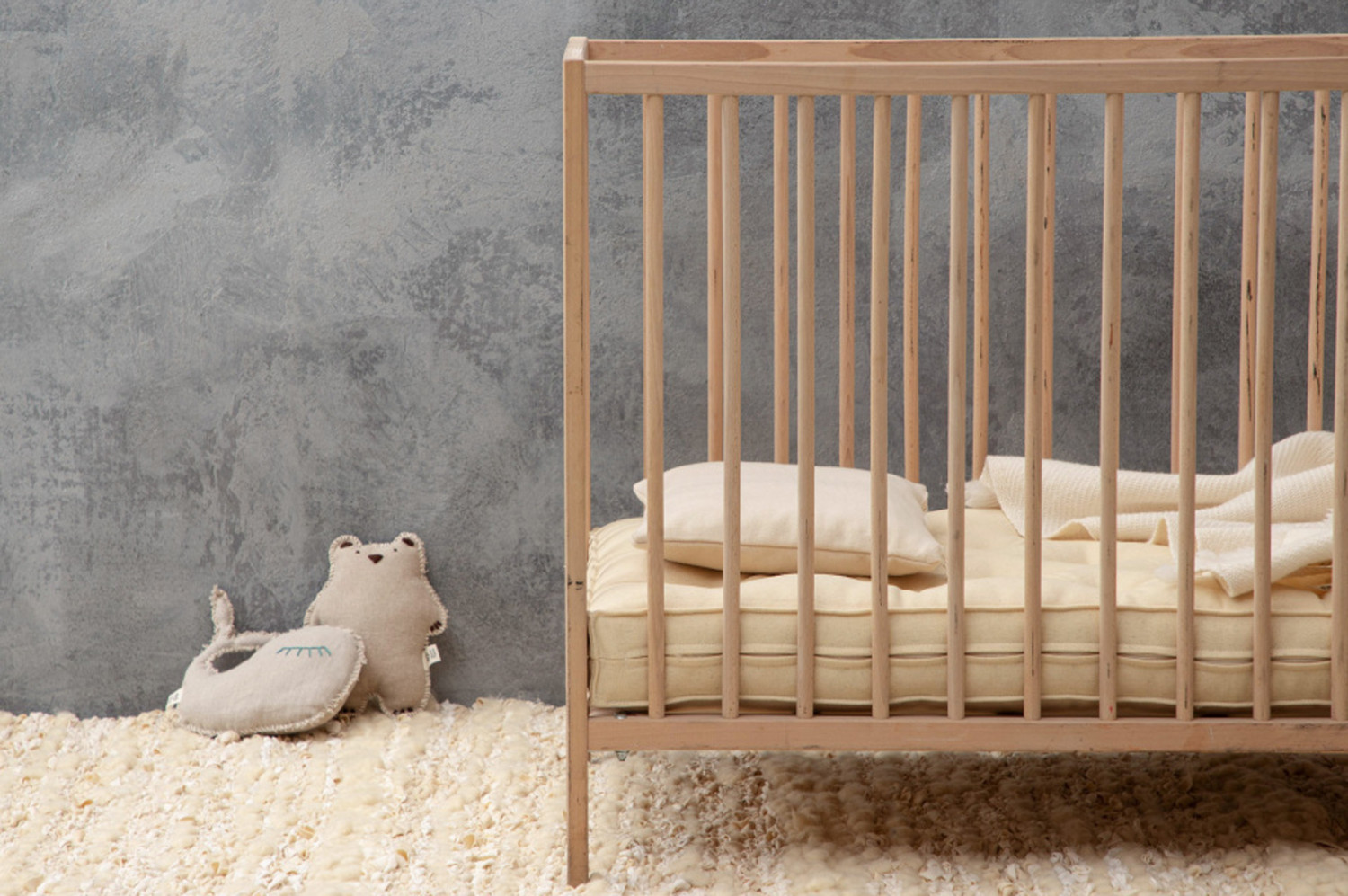
Parents often focus on room temperature or sleep clothing. But the materials inside the crib also matter. Some families choose breathable bedding and an organic crib mattress made with natural fibers, which can help improve airflow and reduce heat buildup during sleep.
Others focus on what’s closest to the head. Because so much heat and moisture build up around the neck and hair, wool pillows are often chosen for older children for their breathability. Even for babies, where appropriate, a small wool baby pillow is sometimes used. Wool absorbs moisture while still feeling dry, helping reduce that damp, overheated feeling and keeping the sleep surface more comfortable through the night.
Toddlers may sweat simply because they move so much while sleeping. Their bodies may also be recovering from mild illnesses like colds.
By the school-age years, night sweating often becomes less frequent. Still, it can happen if bedrooms are warm or bedding traps heat.
During the teen years, hormonal changes related to puberty can sometimes increase nighttime sweating as well.
If sweating happens frequently or appears together with symptoms like fever, weight loss or fatigue, it is always wise to speak with a pediatrician. None of this means parents need to panic. But it does help to look at the sleep environment.
Helping Kids Sleep Cooler
Often the answer starts with the sleep environment. Sleep experts recommend keeping children’s bedrooms between 65 and 72°F, which helps the body maintain a stable temperature overnight. The materials children sleep on also matter, since many synthetic fabrics and foam mattresses tend to trap heat.
Natural fibers behave differently. Materials such as cotton, linen and wool allow more airflow and help create a more breathable sleep surface. Wool has unique properties. The fibers absorb moisture vapor while still feeling dry, and small air pockets help excess heat escape.
Small Changes That Can Help
If your child often wakes up sweaty, a few simple adjustments may help.
Sometimes the solution really is simple: a slightly cooler room and lighter sleepwear.
Breathable sleepwear made from natural fabrics can also make a difference. It may also help to choose bedding and mattresses that allow better airflow. Brands like Home of Wool focus on natural materials such as wool, linen, and cotton, which can help create a more breathable sleep environment.
For babies, some parents look for breathable sleep surfaces made from natural fibers, such as bedding paired with an organic crib mattress or a wool baby pillow, to create a cooler sleep environment. For younger kids and teenagers, natural mattresses and bedding do miracles in terms of thermal regulation.
When children sleep comfortably, they are much more likely to get the deep, restorative rest their growing bodies and minds truly need.
