


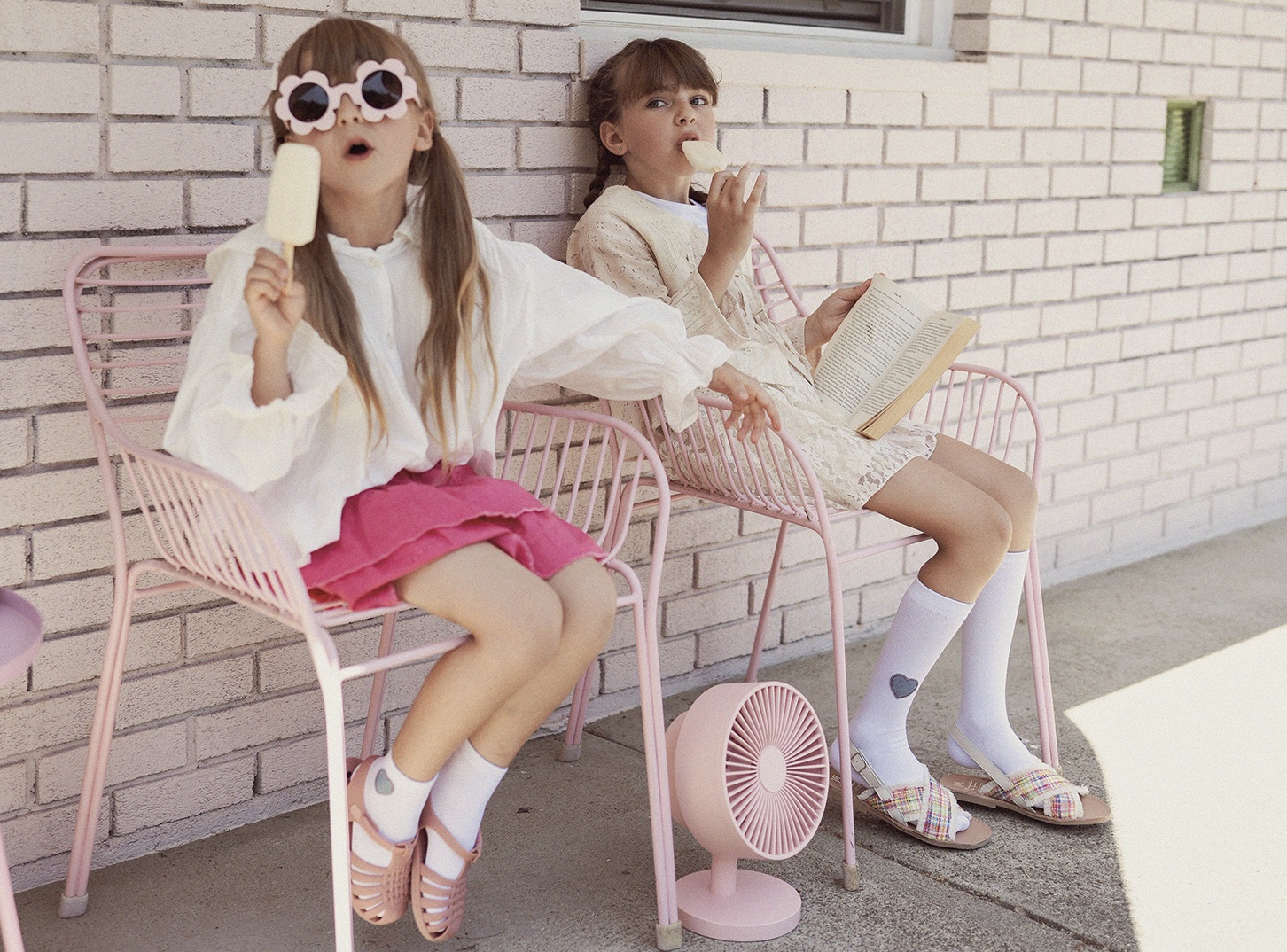
Summer brings a welcome break from school routines, but it also presents a familiar challenge for parents: how to keep kids active, engaged, and comfortable without turning the season into a tightly scheduled program. The good news is that a great summer doesn’t require constant planning or elaborate activities. With a few intentional habits, you can create a season that supports movement, learning, rest, and plenty of fun.
Here are eight simple ways to make the most of summer with kids.
1. Dress for Comfort and Breathability
One of the easiest ways to improve summer days is starting with what kids wear. Lightweight, breathable fabrics like cotton and linen help regulate body temperature and prevent overheating during outdoor play. Moisture-wicking blends can also be useful for especially active days.
Loose-fitting clothing allows for better airflow, while avoiding heavy synthetics helps reduce discomfort in high heat. Don’t forget sun-protective accessories like wide-brim hats and breathable socks, sneakers, and sandals that allow for movement without trapping heat. Zubii Kids is one brand that offers a nice selection of sun hats and breathable kids’ socks perfect for summer days.
2. Build a Flexible Daily Rhythm
Kids thrive on some level of structure, even in the summer. Instead of a strict schedule, aim for a predictable rhythm: a more active morning, a slower midday break, and a relaxed afternoon of play or outings. This type of flow gives children a sense of stability while still allowing room for spontaneity. Some days might be packed with park visits, while others are slower at home (and both are equally valuable).
3. Prioritize Active Play Every Day
Summer is the perfect time to encourage movement without overthinking it. Bike rides, playground visits, backyard obstacle courses, and splash pads all keep kids physically active while feeling like play rather than exercise. The goal is not structured fitness; it’s consistent movement. Even short bursts of activity throughout the day help support physical health, mood, and sleep quality.
4. Prevent the Summer Slide with Light Learning
Learning doesn’t need to stop in the summer, but it also shouldn’t feel like school. Just 15–20 minutes a day of reading, journaling, or educational games can help prevent the “summer slide,” where kids lose some of the academic progress they’ve made. Readbright offers a kids’ literacy program that includes educational decodable readers, a magnetic word builder, and more to help improve early reading skills.
Reading together, practicing simple math during everyday tasks, or encouraging kids to write postcards or short stories keeps their minds active in a relaxed, low-pressure way.
5. Turn Everyday Outings into Learning Moments
You don’t need formal lessons to support learning. Trips to the grocery store, park, zoo, or even a neighborhood walk can become opportunities for curiosity and discovery. Ask questions like “What do you notice?” or “Why do you think that happens?” to encourage observation and critical thinking. These small interactions help kids stay engaged with the world around them while building important cognitive skills.
6. Stay Ahead of Heat and Hydration Needs
Hot weather requires extra attention to hydration and rest. Make water breaks a regular part of outdoor play, not something that happens only when kids ask. Watch for signs of overheating such as fatigue, flushed skin, or irritability, and make sure there are shaded or indoor spaces available for cooling down. Quiet time in the middle of the day can help kids reset physically and emotionally.
7. Set Gentle Boundaries Around Screen Time
Screens often become more appealing during long summer days, but balance is key. Instead of strict restrictions that can lead to resistance, try setting natural boundaries (like screen-free mornings or limiting usage during certain parts of the day). When screens are used, try to make them intentional, such as educational programs or family movie time. The goal is not elimination, but moderation.
8. Encourage Creativity and Independent Play
Some of the best summer memories come from unstructured play. When kids are given time and space to be bored, they often become more creative and resourceful. Simple materials like art supplies, chalk, water toys, or building blocks can spark hours of imaginative play. Outdoor scavenger hunts, backyard “missions,” or nature crafts can also keep kids engaged without needing constant direction from adults.
Make Summer Easier, Healthier, and More Fun!
A successful summer doesn’t require perfection or constant activity. It comes from balance: keeping kids cool and comfortable, giving them space to move and play, and weaving small moments of learning into everyday life. With a flexible rhythm, and a mix of activity and rest, summer can feel both relaxed and enriching for the whole family.
