


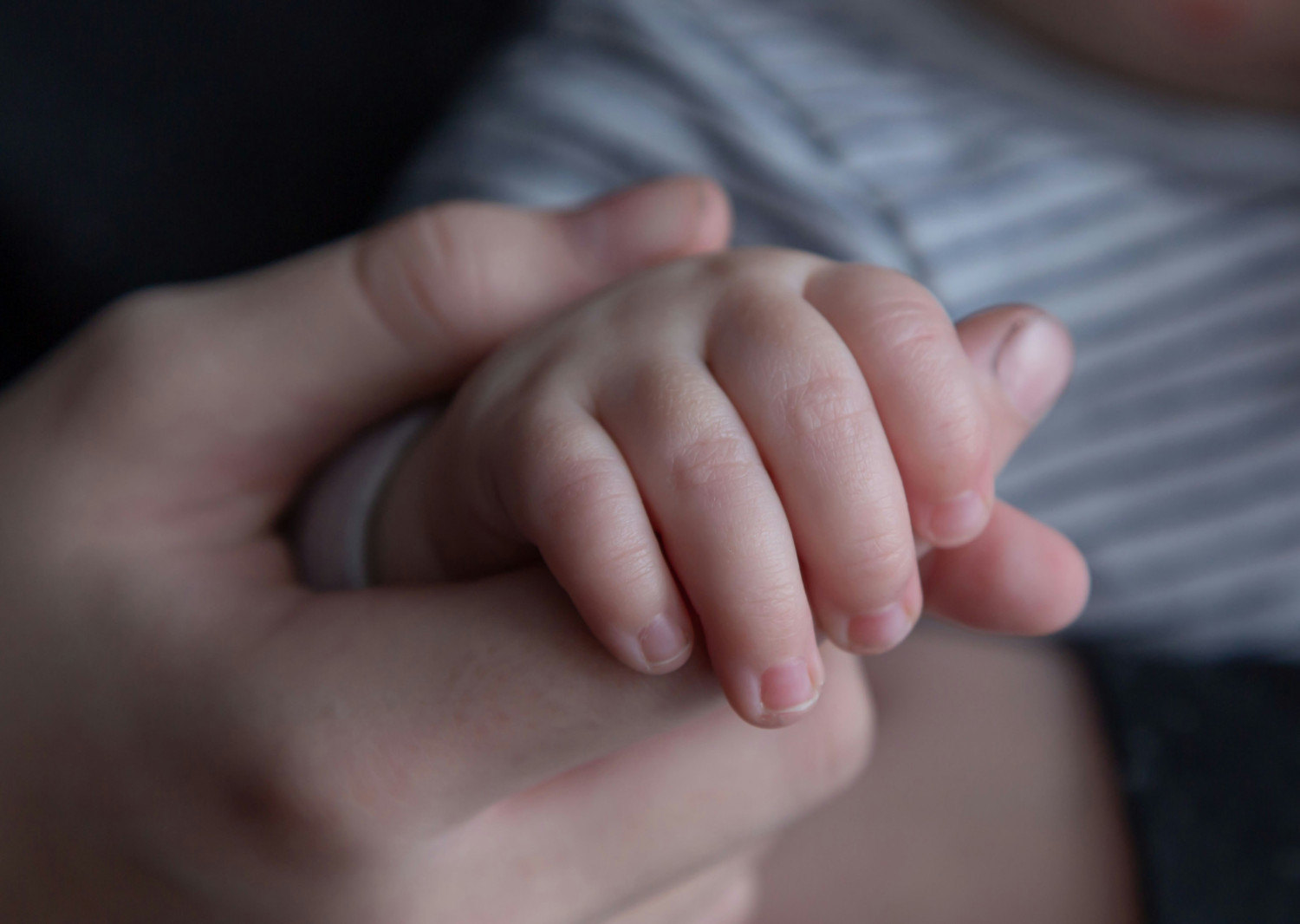
When an accident leaves your child hurt, your first reaction is to protect and comfort them. In those chaotic moments, legal rights are probably the last thing on your mind. But understanding your family’s rights is crucial for making sure your child gets the care and support they need to recover. This guide will walk you through the key steps to take and the legal ideas you should know after an accident. Knowing these principles is especially important when you consider the unique challenges of child injuries and how they affect accident claims and recovery.
Understanding Negligence
Most personal injury cases depend on the idea of negligence. Simply put, negligence happens when someone doesn’t act carefully enough, and their carelessness harms another person. For a claim to be valid, you usually need to show that another party had a duty to act safely, failed to do so, and caused your child’s injuries.
For instance, if a driver was texting, ran a red light, and hit your car, that clearly breaks their duty to drive safely. Similarly, if a store owner knew about a slippery spill on the floor but didn’t clean it up or put up a warning sign, they could be considered negligent if your child slips and gets hurt. Understanding this basic idea is the first step in protecting your rights.
The Role of a Personal Injury Lawyer
Dealing with the aftermath of an accident can feel overwhelming, especially when you’re focused on your child’s health. This is where a legal professional can be incredibly helpful. A personal injury lawyer acts on your behalf. They handle talks with insurance companies, collect evidence, and make sure all legal paperwork is filed correctly and on time. Their job is to manage the legal complexities so you can focus on your family. Firms like Cello Law specialize in helping families understand their options and get the compensation they deserve. A lawyer can look at your case details and advise you on the best way forward, protecting you from low settlement offers from insurance adjusters.
Steps to Take at the Scene
What you do right after an accident can greatly affect your ability to protect your rights. If you find yourself in this situation, try to stay calm and follow these steps:
- Put Health and Safety First: Your child’s well-being is the most important thing. Check for injuries and call 911 right away for medical help. Even if injuries seem minor, a medical professional should still check your child.
- Call the Police: A police report is an official document that records what happened. It provides a neutral, third-party account of the incident.
- Exchange Information: Get the name, address, phone number, and insurance details from everyone else involved. Do not talk about who was at fault.
- Talk to Witnesses: If anyone saw the accident, ask for their name and contact information. Their statement can be very useful later.
Collecting Evidence Effectively
Strong evidence is the basis of any successful injury claim. While a lawyer can help find more, the evidence you collect at the scene and in the days after is crucial. Start by documenting injuries and the scene with your smartphone. Take photos and videos of everything: the accident location, damaged property, road conditions, and any visible injuries your child has.
Keep a detailed file of all related documents. This includes medical records, bills from doctors and hospitals, and receipts for any out-of-pocket costs. It’s also a good idea to start a journal. Write down details about your child’s doctor visits, how their injuries affect daily activities like school and play, and their general physical and emotional state. This detailed record can powerfully show the true impact of the injury.
Seeking Justice and Compensation
Filing a personal injury claim is about getting the resources to help your child recover. Compensation is meant to cover the financial and emotional costs of an injury caused by someone else’s carelessness. This can include:
- Medical Expenses: All costs for hospital stays, doctor visits, physical therapy, medication, and any future medical care your child might need.
- Lost Wages: If you had to take time off work to care for your child, you might be able to get back those lost earnings.
- Pain and Suffering: This pays for the physical pain and emotional distress your child experienced because of the accident.
The process usually starts by filing a claim with the at-fault party’s insurance company. Your lawyer will handle negotiations to reach a fair settlement. If an agreement can’t be reached, the next step might be to file a lawsuit to pursue justice in court.
Knowing your rights is the first step toward recovery. Staying organized and getting professional help ensures your child has the best possible support system as they heal.
