


by Medina County Board of Developmental Disabilities, mcbdd.org
The start of a new school year can bring excitement, but it can also bring uncertainty, especially for children with developmental disabilities. New teachers, different routines, unfamiliar classmates, and changes in daily schedules can feel overwhelming. The good news is that with a little planning and support, the transition back to school can be smoother and more successful.
There is no “right” way to adjust to a new school year. Some children settle into routines quickly, while others need extra time, patience, and encouragement. Focus on progress rather than perfection and remember that small steps often lead to big accomplishments over time.
With preparation, strong partnerships, and plenty of encouragement, children with developmental disabilities can begin the school year feeling supported, confident, and ready to learn.
Here are five tips to help your child feel confident and ready for a great school year.
- Practice the School Routine
Children with developmental disabilities often thrive on routine and predictability. Shift bedtime, wake-up time, and mealtimes to match the school schedule. Practice getting dressed, packing a backpack, and even walking to the bus stop or driving to school.
- Prepare for New Experiences
Changes can be challenging, so helping your child know what to expect can reduce anxiety. If possible, visit the school before classes begin, meet the teacher, walk through the hallways, or see the classroom. Look at photos of the school together and talk through what the day will look like from arriving at school to heading home. Social stories, picture books, and simple conversations can help your child feel more prepared for what is ahead.
- Use Visual Supports and Comfort Items
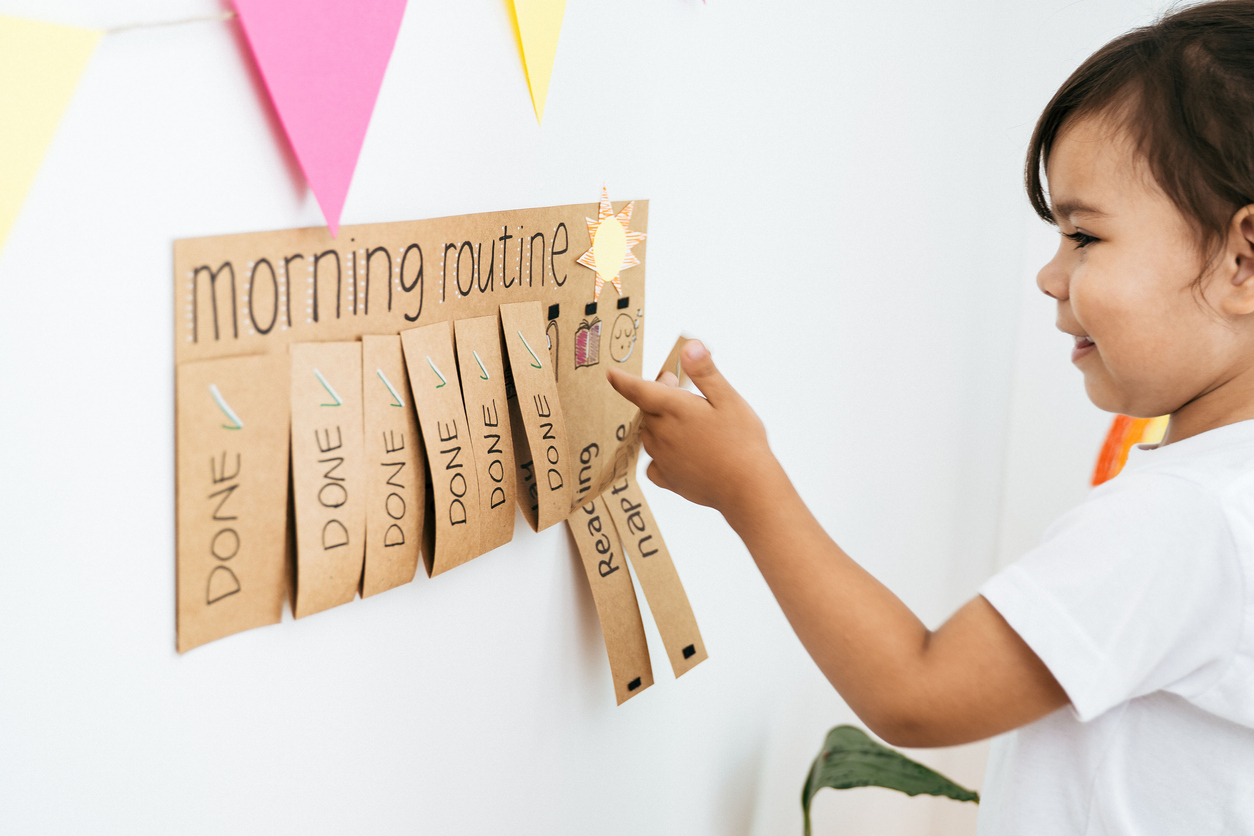
Visual schedules, calendars, first-then boards, or picture checklists can help children understand their daily routine and what is coming next. If your child benefits from sensory supports, make sure they are ready for the school day. Noise-reducing headphones, fidget tools (if permitted), a favorite calming item, or other sensory supports can help children stay comfortable and focused throughout the day.
- Partner with Your Child’s School Team
You know your child better than anyone. Share information with teachers, aides, therapists, transportation staff, and other members of your child’s educational team about what helps your child succeed. Let them know about communication preferences, sensory needs, calming strategies, motivators, medical concerns, or routines that work well at home. When families and schools communicate regularly, children receive more consistent support and are more likely to find success.
- Celebrate Progress, No Matter How Small
The first few weeks of school are a time of adjustment. Success may look different for every child, and that is okay. Celebrate each milestone, whether it’s getting on the bus independently, trying a new classroom activity, following a new routine, making a friend, or simply making it through the day. Every achievement is a step forward and deserves recognition.
