


You finish your morning pumping session, place both units in the wearable breast pump charging case, and head to work. At lunchtime, one side is still low. Your next session is getting closer, a meeting is about to start, and you need to know whether the pump will be ready when you are.
This guide will help you build a charging routine that catches missed charges early, uses short breaks to top up both pumps, and gives you a clear next step when an indicator looks wrong. That means less time hunting for an outlet and more confidence before your next session. Start with the moment you have the most control—before you leave home. Follow your model’s instructions, and consult a qualified healthcare professional with questions about pumping, breast health, or cleaning.
Start the Day With a Wearable Breast Pump Battery Check
If you’re planning to pump at work or on the go, a quick morning check can save you from scrambling for an outlet later. The goal isn’t to calculate your exact power usage—it’s to ensure both the pump and charging case are good to go.
For instance, you might place the pump in its case after an early session and assume it’s charging. Hours later, you find one side barely charged because it wasn’t seated right. A quick once-over of the contact points and charging lights in the morning gives you a chance to catch any issues before you walk out the door. And don’t just check the pump you used last—give both units and the case a look.
Here’s a simple checklist to keep you on track:
- Both pump units checked
- Charging case checked
- Charging cable packed
- Charging contacts dry
- Both pumps seated correctly and charging status confirmed
If the device uses status lights or app notifications, check those indicators as part of the same routine. This keeps the checklist connected to the actual charging status instead of treating the charging case as storage only.
If you’re dashing out before the house is fully sorted, keep this check quick and effortless. You can sneak a look at the charging case while you’re tossing things into your bag, double-check both pumps are set, and just place the cable alongside the stuff you never forget. Building this into the same part of your morning routine is a lot more foolproof than relying on a reminder that only shows up when your day’s already spinning.
Use the Charging Case During the Gaps Between Sessions
The charging case is most helpful when it’s just part of your natural after-pump rhythm. Rather than leaving the pump on a desk or stuffed in your bag till it’s nearly out of juice, use that small gap before your next session to stow it properly and peek to see it’s charging.
Dock the Pump After Each Session
Imagine finishing a morning session at your desk and needing to return to work immediately. Before you head off to the next thing, just power down the pump, wipe away any damp spots around the outside and contacts, and tuck both units into the charging case. Make sure they’re nestled in there correctly and the case is fully latched.
This small sequence helps prevent a common problem: the pump appears to be stored, but one side is not actually making contact. If the status indicator does not change as expected, remove the unit and place it back into the charging case before assuming it is charging.
Alt: Sequential flowchart with 5 numbered steps for charging a breast pump
Use Natural Workday Breaks to Add Power
You really don’t need to wait until the battery is hanging by a thread. Think about it—back at your desk, lunchtime, or that breather between pumping sessions, those are all natural moments to sneak in a charge.
If you’re only pumping a couple times a day, just putting the pumps back in the case after each session might be all the routine you need. But if your day’s a bit chaotic, keep your charging case and cable in a spot that’s always in plain sight—that way, any short lull can become a quick charge check without even thinking about it.
This approach also helps when a break is shorter than expected. You may not have time to connect the charging cable for a long period, but you can still return both pumps to the charging case, check the contact points, and leave the charging case ready for the next available opportunity.
When the Charging Indicator Looks Wrong
You finish pumping just before a meeting and place both pump units in the charging case. A few minutes later, you notice that one side still isn’t showing a charging light—or that neither unit appears to be charging. Before you leave the case on your desk, take a moment to check what’s happening. Finding a poor connection now gives you time to fix it before your next pumping break.
Check both pump units, the charging contacts, and the case. If one unit isn’t responding, remove it and dock it again. Make sure it’s seated correctly, the contacts are dry, and the case closes completely. If the indicator still doesn’t appear, leave that unit out of the case while you check it more closely.
| What you notice | What to do |
| One pump shows no charging indicator | Remove it, check the contacts, and place it back into the case until it is seated correctly. |
| Neither pump appears to be charging | Confirm that the case has power, reconnect the charging cable if needed, and check whether the case is fully closed. |
| The case will not close completely | Remove both units and reposition them. Do not force the lid shut. |
| The contacts look damp or have residue | Wipe the pump and contacts with a clean, dry cloth before docking again. |
| The pump or case feels unusually hot, looks damaged, or behaves erratically | Stop charging and set the equipment aside until you can follow the manufacturer’s safety guidance. |
| You are using a cable that only “seems to fit” | Replace it with the correct compatible cable instead of relying on the connector shape alone. |
If you are heading into a meeting or another pumping session, use the next few minutes to confirm that both units are charging—not just stored. When time is limited, checking the indicator on each side is more useful than leaving the case untouched and hoping the battery level will recover.
| Safety reminder: Do not continue charging equipment that is damaged, unusually hot, or showing abnormal behavior. Disconnect it and use the manufacturer-approved charging setup. |
Once the issue is resolved, return both units to the same routine: wipe the contacts, dock both pumps, confirm the charging indicators, and close the case. That simple sequence makes it easier to recognize a real charging problem before it affects the rest of your day.
Choose a Routine That Keeps Your Pump Ready
The best charging routine is the one that fits naturally into your day. If you pump at the same time each day, docking after every session may be enough. If your day moves between home, work, and childcare, keep a more visible reminder and a charging cable nearby.
Match the Routine to Your Schedule
Choose one dependable moment to check the pump, such as immediately after a session or while packing your bag for the next day. When the case and cable always return to the same place, you are less likely to discover a missing cable or an uncharged pump when time is already tight.
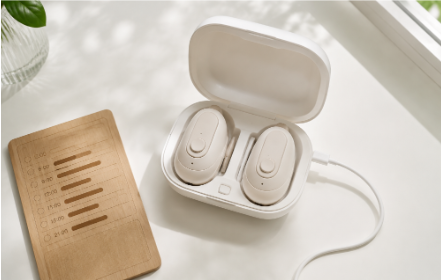
If your day includes several sessions away from outlets, the eufy Wearable Breast Pump S2 Pro may be a good fit when you want one place to drop the pump after a session and keep going. Finish at your desk, put both units back in the charging case, close it, and you’ll know where everything is before the next meeting or quick break. The wireless charging case helps keep the pumps organized and powered between sessions, so you aren’t left guessing where the pump went or whether it’s ready next time. Once both pumps are back in that case, the small parts changed most often are diaphragms, duckbill valves, milk containers, and flanges. Keeping those breast pump accessories with the case means a spare is already there before the next session.
Alt: Wearable breast pump docked in its charging case next to a daily pumping schedule
Conclusion
You do not need a perfect charging schedule; You need one reliable habit. Tie the battery check to the end of every pumping session, and you can head into the next one with less uncertainty and one fewer thing competing for your attention.
If you are still comparing pump-and-case setups, start with a breast pump you can dock after every session without adding another step. The most practical choice is one that makes charging easy to remember and fits naturally into the places and times you already pump.
