


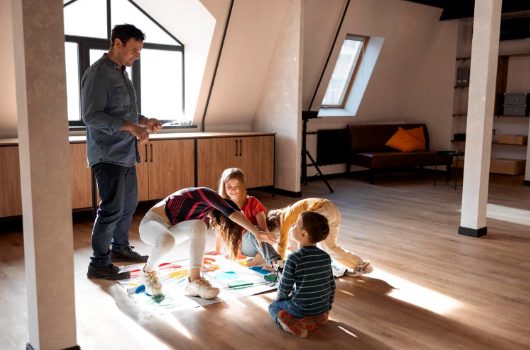
Families in Northeast Ohio know that indoor time isn’t limited to just winter. Rainy springs, humid summer afternoons, and chilly fall evenings all create moments when staying inside becomes the better option. While screens often fill that gap, many parents are looking for ways to make indoor time more engaging and meaningful. That usually starts with preparation, and some parents choose to visit website before playtime to review simple game rules, making it easier for kids to jump into shared activities without confusion or constant adult direction.
Indoor activities don’t need to be elaborate to be effective. With a little creativity and structure, they can support connection, learning, and fun throughout the year.
Turning Living Rooms Into Play Zones
One of the easiest ways to refresh indoor time is to temporarily reimagine the space. Clearing a section of the living room floor, pushing furniture aside, or designating a “play corner” can immediately change the energy. Kids respond well to visual cues that signal something different is about to happen.
This approach works especially well for games and group activities. When the environment feels intentional, children are more likely to stay engaged and treat playtime as something special rather than another way to pass time.
Game-Based Activities That Work Year-Round
Games are among the most versatile indoor activities because they adapt to different ages and group sizes. Board games, card games, and cooperative challenges can be adjusted depending on attention spans and skill levels.
Clear rules are key. When children understand how a game works from the beginning, they spend less time asking questions and more time playing together. This reduces frustration and helps siblings or mixed-age groups stay engaged longer, especially during extended indoor stretches.
Creative Challenges for Rainy or Snowy Days
On days when energy is high but outdoor play isn’t an option, creative challenges can channel that energy productively. Timed building challenges, storytelling games, or simple competitions like “build the tallest tower” encourage problem-solving and teamwork.
These activities work well because they combine movement, thinking, and imagination. Parents can rotate challenges to keep things fresh, using household items rather than buying new supplies.
Quiet Indoor Activities for Low-Energy Moments
Not every indoor day needs to be high-energy. Quiet activities play an important role in helping kids reset and regulate emotions. Drawing challenges, puzzle time, or turn-based games offer structure without overstimulation.
These calmer moments are especially helpful during winter months or after busy school days. They allow children to stay engaged while winding down, creating balance within the day.
Why Structured Play Supports Family Well-Being
Structured indoor play doesn’t just keep kids busy; it supports emotional and social development. According to guidance from Harvard’s Center on the Developing Child, shared activities that involve clear expectations and interaction help children build self-regulation, cooperation skills, and stronger family relationships. These benefits are particularly important when families spend extended time indoors together.
Games and guided activities create predictable patterns that help children feel secure, even when routines are disrupted by weather or seasonal changes.
Indoor Play for Mixed Ages
Families with children of different ages often struggle to find activities everyone enjoys. Indoor play works best when rules and roles are flexible. Older children can take on leadership roles, such as explaining rules or keeping score, while younger kids focus on participation.
This dynamic not only keeps everyone involved but also builds confidence and responsibility. Over time, siblings learn to collaborate rather than compete for attention.
Seasonal Twists on Indoor Fun
Indoor activities don’t have to feel the same all year. Adding seasonal themes keeps things interesting. In winter, cozy game nights with warm snacks feel natural. In spring, indoor scavenger hunts can reflect seasonal changes. Summer indoor play can focus on short, energetic games during peak heat hours, while fall activities might center around storytelling or creative challenges.
These small adjustments help indoor time feel connected to the world outside, even when families are staying in.
Reducing Screen Reliance Without Pressure
Many parents worry about screen time, but reducing it doesn’t require strict limits or constant enforcement. Offering engaging alternatives naturally shifts attention away from devices. When kids are absorbed in play, screens lose their appeal.
Preparation helps here. When parents take time to plan or review activities in advance, indoor play feels smoother and more enjoyable for everyone involved.
Making Indoor Play a Family Habit
The most successful indoor activities aren’t one-time events. They become habits. Setting aside regular time for shared indoor play, whether weekly or a few times a month, gives children something to look forward to.
Consistency matters more than duration. Even short, focused activities can strengthen family bonds when they happen regularly.
Creating Meaningful Moments Indoors
Indoor time doesn’t have to feel like time lost. With thoughtful planning and simple structure, it can become a space for connection, creativity, and shared enjoyment. Families don’t need perfect weather or elaborate plans to build memories.
By treating indoor play as an opportunity rather than a limitation, parents can turn any season into a chance for togetherness. Sometimes, the most meaningful family moments happen not outside, but right at home, gathered around a table, a game, or a shared challenge that brings everyone together.
