


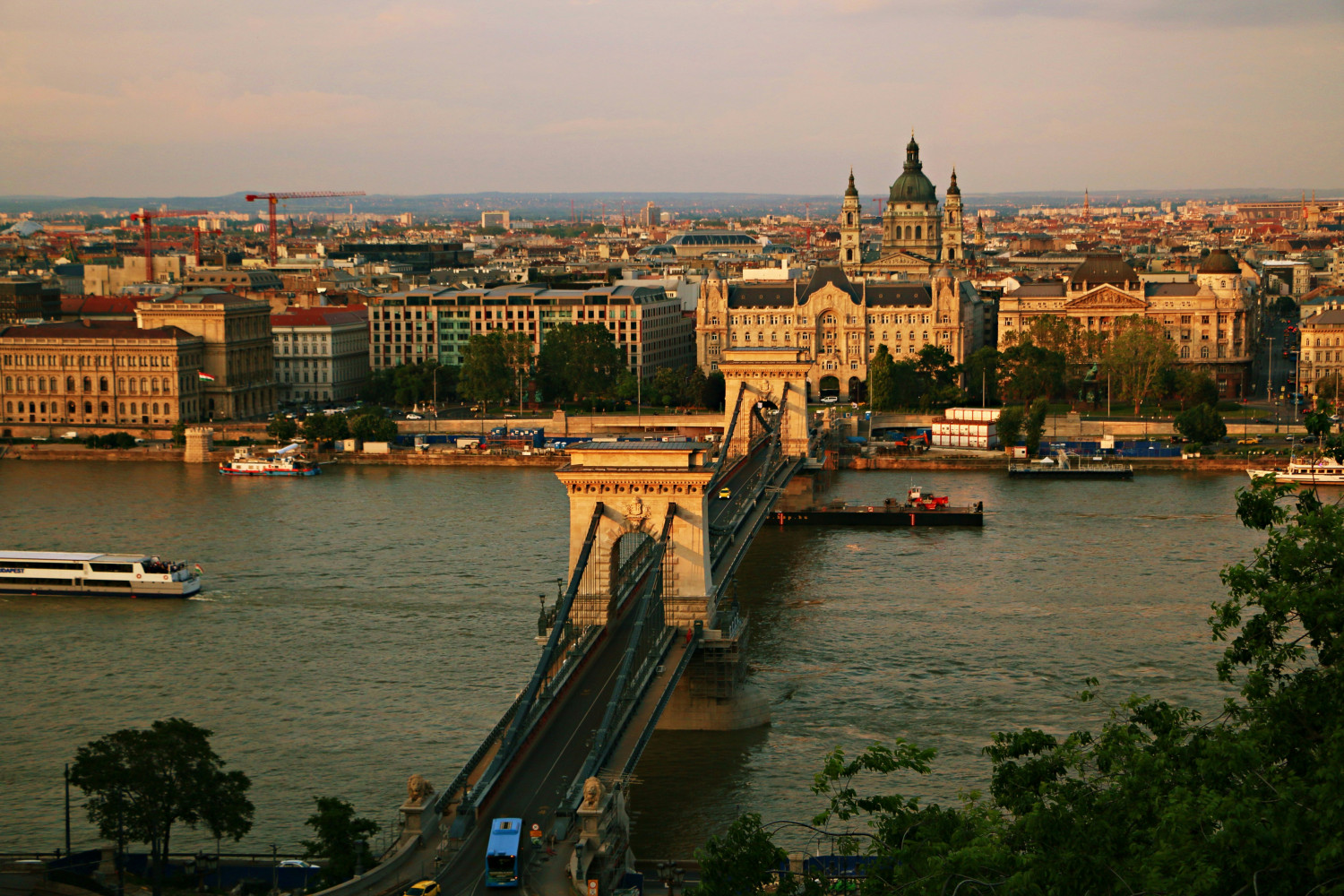
A family trip to Europe isn’t just a vacation; it’s like stepping right into the pages of history books and fairy tales. Just imagine your kids’ faces as they gaze up at a real-life castle, not one from a movie, or cruise down a river that’s been a vital lifeline for trade and culture for thousands of years. This kind of travel goes beyond simple sightseeing; it’s an immersive learning adventure that builds lasting memories and a deeper appreciation for the world around us.
Planning a journey like this might feel like a huge task, but it doesn’t have to be. By focusing on Europe’s historic waterways and the incredible castles that dot their banks, you can easily create a focused and truly magical itinerary. This approach simplifies logistics while boosting wonder and learning for everyone in the family. It’s all about turning those abstract history lessons into real, tangible adventures.
Blending Storybooks with History Books
For many kids, the magic of Europe starts with stories of knights, princesses, and dragons. Tapping into this existing interest is a perfect way to get them excited about history. Even before you book a single ticket, you can start building anticipation by exploring these themes together. Read classic fairy tales set in Germany’s Black Forest or tales of brave knights defending their fortresses.
When you start picking destinations, look for places that blur the line between fantasy and reality. Lots of Europe’s most famous castles actually inspired the settings for beloved animated films and stories. Take Neuschwanstein Castle in Germany, for example; it’s famously the model for Sleeping Beauty’s castle. Visiting these spots helps kids connect the stories they love with the real people and events that shaped them. You can find lists of enchanting fairytale castles online to help build an itinerary that will truly capture your family’s imagination. It’s a great way to make history feel personal and exciting, rather than a dry textbook lesson.
Navigating Europe’s Historic Routes with Ease
One of the trickiest parts of a multi-city European trip with family is the constant packing, unpacking, and navigating busy train stations or airports. A fantastic alternative that simplifies travel and makes the journey itself part of the fun is a river cruise. Historic rivers like the Rhine and the Danube were Europe’s original highways, and traveling along them gives you a unique peek into how towns and cities grew. You unpack once and then wake up in a new, picturesque spot every day.
This way of traveling is especially great for families because it cuts out travel-day stress and gives you a comfy home base. A River Rhine cruise, for instance, takes you right through the heart of a region packed with castles, vineyards, and charming medieval towns. The deep history of the Rhine River is tied to the Roman Empire, medieval trade, and industrial innovation, and you can see it all from the water. Kids can watch the scenery unfold, spot castles on hilltops, and learn why these waterways were so important. It’s a relaxing, efficient way to cover a lot of historical ground without exhausting the whole family.
Making History Come Alive for All Ages
Once you’re on the ground, the secret to a successful educational trip is making history interactive and fun. Standing in front of a thousand-year-old castle is cool, but truly understanding its story is what makes it unforgettable. Look for tours and activities designed for families or ones that offer a hands-on experience.
Here are a few ideas to really bring history to life:
- Go on a Castle Scavenger Hunt: Before you visit a castle, make a simple checklist of things for your kids to find. This could be a coat of arms, a drawbridge, arrow slits in the walls, or a great hall. It turns sightseeing into a game.
- Focus on Stories, Not Just Dates: Instead of just listing kings and battle dates, tell the stories of the people who actually lived there. Many castles have amazing legends or tales of famous residents. Tour guides are often fantastic storytellers, so don’t be shy about joining a guided tour.
- Incorporate Local Culture: Connect the history to what’s happening today. Try local foods that have been made in the region for centuries, listen to traditional music, or visit a market in a town square that’s been active since the Middle Ages.
- Allow for Downtime: Don’t cram too much into your days. Kids need time to really take in what they’re seeing and just run around and play. A picnic in a castle garden can be just as memorable as a tour of the royal chambers.
Practical Planning for Your European Adventure
A well-planned trip is a smooth trip. Getting your kids involved in the planning can really build excitement and give them a sense of ownership over the adventure. Let them help pick a castle to visit or a city to explore based on pictures or stories. This simple step can shift their attitude from passive follower to active participant.
When it comes to logistics, thinking ahead is super important. For family travel, it’s smart to book accommodations and major tours in advance, especially during peak season. Packing light is always a good goal, but make sure to include essentials like comfy walking shoes for everyone, portable chargers, and a small first-aid kit. It’s also helpful to learn a few basic phrases in the local language, like “hello,” “thank you,” and “where is the bathroom?” People always appreciate the effort, and it’s a great learning opportunity for kids. For more practical travel tips, especially when traveling with younger ones, checking out advice from seasoned travelers can save a lot of headaches.
Finally, set a realistic budget. Europe can be pricey, but there are plenty of ways to save. Consider picnicking for lunch, using public transportation within cities, and looking for family passes or discounts at museums and attractions. The most important investment, though, is in the experiences that will become cherished family memories.
Must-See Castles and Waterways for Families
With countless castles and rivers to choose from, narrowing down your options can be tough. A great place to start is to focus on a region known for lots of historical sites, like Germany’s Rhine Valley or France’s Loire Valley.
Germany’s Middle Rhine Valley is a UNESCO World Heritage site for good reason. This stretch of river is absolutely covered in over 40 castles and fortresses. Marksburg Castle stands out because it’s one of the few in the region that was never destroyed, offering a truly authentic look into medieval life. Further south, Burg Eltz looks like it was pulled straight from a fairy tale, nestled in a forest and still owned by the same family that built it over 800 years ago, offering a unique family adventure as you discover river history together.
In France, the Loire Valley is famous for its elegant châteaux. The Château de Chambord, with its distinctive French Renaissance architecture and double-helix staircase, is a design marvel. The Château de Chenonceau, which gracefully arches over the River Cher, is known for its beautiful gardens and its history of being run by powerful women. Exploring Europe’s most fascinating castles gives you and your family a tangible connection to centuries of art, conflict, and innovation. Each one tells a unique story, just waiting to be discovered.
Combining these incredible structures with the historic waterways that connect them creates a perfect framework for an educational and truly unforgettable European journey. You’ll be giving your children a gift that lasts far longer than any souvenir: curiosity about the world and a love of learning.
