


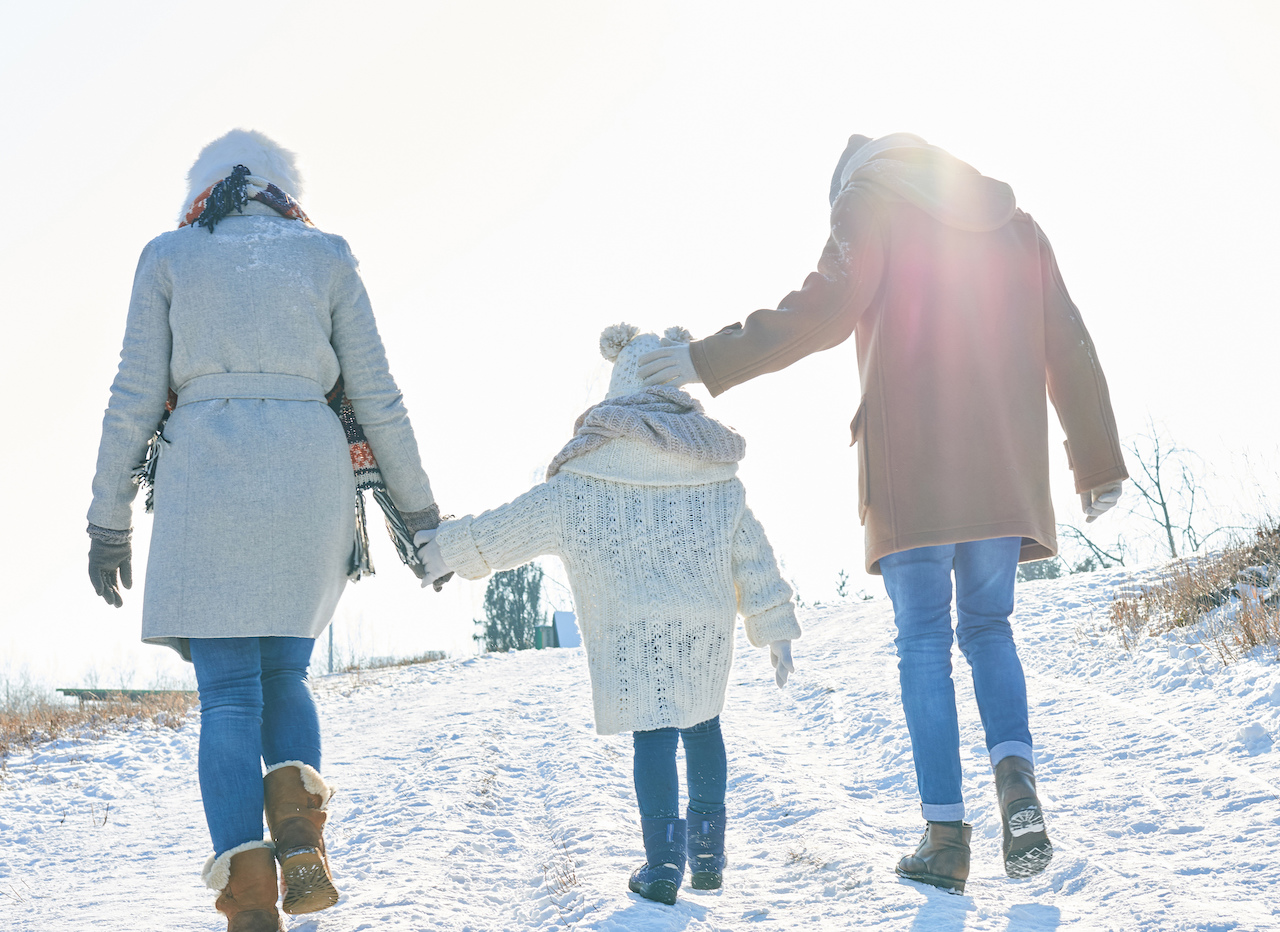
Winter offers many opportunities for families to enjoy time outdoors, but the season also creates conditions that make everyday routines more challenging. Snow, ice, and shorter days influence everything from playtime to school drop-offs. With a few thoughtful habits, families can stay active while keeping everyone safer on slick or uneven surfaces.
Helping Kids Stay Safe During Outdoor Winter Play
Children often hurry outside at the first sight of snow. Warm layers help them stay comfortable, and waterproof boots provide better footing on icy ground. Before sending kids out to play, it helps to walk through the yard or playground and look for areas where ice may have formed overnight. Swings, slides, and climbing structures can become slippery after a freeze, even when they appear dry.
Sledding and skating are favorites for many families. Choosing a hill with a clear path, free of rocks or tree roots, reduces the risk of falls. Helmets offer important protection when kids pick up speed, and encouraging them to take breaks helps them stay aware of their surroundings. Many slips happen when children are tired or cold, so checking in frequently keeps outdoor time fun and safe.
Making Your Home and Driveway Safer in Snow and Ice
Many winter safety habits begin at home. Clearing walkways soon after snowfall prevents ice from forming, and applying ice melt in high-traffic areas makes steps and driveways easier to walk on. Good lighting around entrances helps family members see uneven regions or patches of ice that blend into the pavement.
Inside the house, melted snow from boots can create slick floors. Setting up a spot for shoes, gloves, and gear keeps entryways dry and organized. Rugs with non-slip backing provide a steady footing in areas where snow tends to accumulate. Families who want to learn more about how winter conditions affect surfaces can explore seasonal safety information from the National Weather Service. Their guidance helps households prepare for severe cold and changing weather patterns.
Winter Safety During School Drop-offs, Errands, and Family Outings
Cold mornings can make routine trips feel different. Giving yourself a few extra minutes for school drop-off allows everyone to move at a comfortable pace, especially when walking across untreated sidewalks or icy parking lots. Children often move faster than expected, so staying close in crowded or unplowed areas helps prevent slips near moving vehicles.
Simple habits make outings safer. Choosing routes with well-maintained sidewalks, stepping slowly on ramps, and watching for black ice near storefronts all reduce fall risks. Even short errands can involve several transitions from outdoor pavement to smooth indoor flooring. Pausing to brush snow from boots before entering a building helps prevent sudden slips on tile or polished surfaces.
Why Parent Safety Matters During Winter
Parents spend plenty of time helping children stay steady on snow and ice, yet winter conditions can be just as challenging for adults. Carrying bags, holding a child’s hand, or hurrying through a parking lot can increase the chance of slipping. These moments can disrupt a family’s routine, especially on busy days.
Some families also have parents whose jobs take them outdoors or into areas where ice forms quickly and lingers longer than it does in neighborhoods. Rail yards and their surrounding walkways are good examples, since cold weather can create pockets of ice that remain hidden under fresh snowfall. When an incident occurs in a place like this, a slip and fall injury lawyer for railroad employees may become a resource the family turns to as they manage the practical effects of the injury. Recovery often shapes the rhythm of daily life at home, especially when a parent needs time away from regular responsibilities.
Building Winter Safety Habits as a Family
Families can make winter routines smoother by practicing habits that become familiar through repetition. Children learn a great deal from simple actions they see adults repeat, such as pausing to test a surface before stepping forward or checking their boots for packed snow. These everyday moments help children understand how to move safely on slick surfaces.
Parents can guide children by pointing out places where ice tends to form or by showing how to walk steadily on compacted snow. Planning winter playtime, even on colder days, gives kids confidence while helping them stay aware of changing conditions. Families searching for seasonal ideas may enjoy this list of fun, budget-friendly activities. It highlights simple outdoor outings that fit well into regular family routines.
Conclusion
Winter brings its share of challenges, yet it also offers many opportunities for families to spend meaningful time together. With steady routines and a little awareness, parents and children can enjoy the season while staying safer on snowy or icy days. Small habits make a big difference and help everyone feel more confident as they move through winter weather.
