


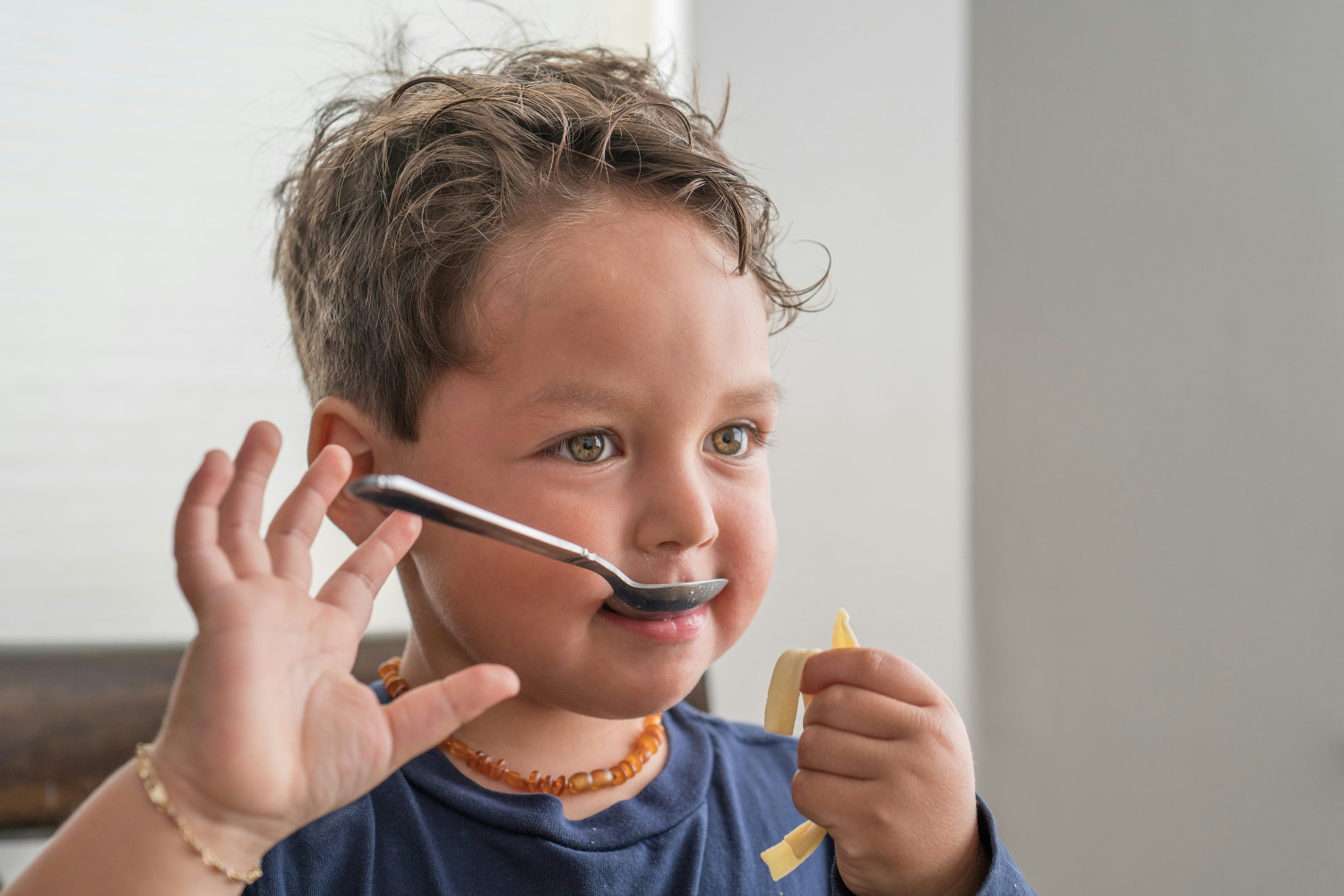
Minor sniffles, scratchy throats, and upset stomachs can disrupt a child’s day, but many mild symptoms respond well to simple comfort measures. The key is choosing age-appropriate remedies, following product directions, and watching for signs that the problem needs medical attention. “Natural” doesn’t automatically mean safe for every child, so check with your pediatrician before introducing supplements or remedies, especially for babies and children who take medication.
Understanding Minor Childhood Issues
Common childhood complaints often come from short-lived viral infections, mild digestive trouble, seasonal allergies, or changes in routine. A runny nose with normal breathing and energy, for example, can usually be monitored at home. Mild constipation may improve after a child drinks more water and eats fiber-rich foods.
Symptoms matter more than the label you give them. Track when the problem started, your child’s temperature, fluid intake, and any new foods or products. This information helps you spot changes and gives your pediatrician useful details.
Home Remedies That Really Work
For a stuffy nose, saline drops can loosen mucus without medicated ingredients. A cool-mist humidifier may also make a dry bedroom more comfortable, but empty and clean it daily to prevent mold and bacteria buildup. Warm baths can relax tired muscles and help a restless child settle before bed.
Fluids are often the best starting point for minor illness. Offer water, broth, or an oral rehydration solution in frequent small amounts. Children with mild constipation may benefit from pears, prunes, oatmeal and gentle activity. Babies should always receive care suited to their age. Never give honey to a child younger than 12 months.
Natural Support for Throat Comfort
Warm liquids can soothe a dry or irritated throat while helping a child stay hydrated. Try warm water or caffeine-free tea at a comfortable temperature. Children over age 1 may have a small amount of honey, provided they don’t have an allergy or another reason to avoid it.
For older children who can safely manage hard lozenges, Manuka honey lozenges offer a convenient throat-comfort option in several flavors. Check the package age guidance and ingredients first, and supervise use because lozenges can pose a choking risk. Skip them for young children or anyone who has difficulty swallowing. Throat discomfort that is severe, persistent, or paired with breathing trouble needs medical care.
When to Call the Doctor
Call your child’s health care provider if symptoms worsen, last longer than expected, or keep your child from drinking. Seek prompt advice for fever in a baby younger than 3 months, repeated vomiting, signs of dehydration, severe pain, unusual sleepiness, or a rash with fever. Breathing trouble, blue or gray lips, confusion and difficulty waking require emergency help.
Allergy symptoms can sometimes resemble a cold. Itchy eyes, repeated sneezing, and symptoms linked to a season, pet, or food may be easier to recognise when you understand common patterns of childhood allergies. Facial swelling, wheezing, or trouble breathing after a possible exposure is an emergency.
Building Your Family Wellness Kit
Keep a small set of trusted supplies together so you’re not searching through cabinets when a child feels sick. A useful family wellness kit may include:
- A digital thermometer and spare batteries
- Saline drops or spray
- A cool-mist humidifier
- Oral rehydration solution
- Age-appropriate pain or fever medicine
- Measuring syringes or dosing cups
- Tissues and a reusable warm compress
- Your pediatrician’s phone number
Review expiration dates every few months and store all products out of children’s reach. Avoid using kitchen spoons for medicine because their sizes vary, and write down each dose to prevent accidental repeats. If you include supplements or throat products, keep the original packaging so directions, ingredients, and age limits stay easy to find.
A thermometer, saline, and your pediatrician’s number cover many late-night needs. Keep that simple kit labeled in one place, then check it whenever the clocks change so expired items never become part of the next sick day.
