


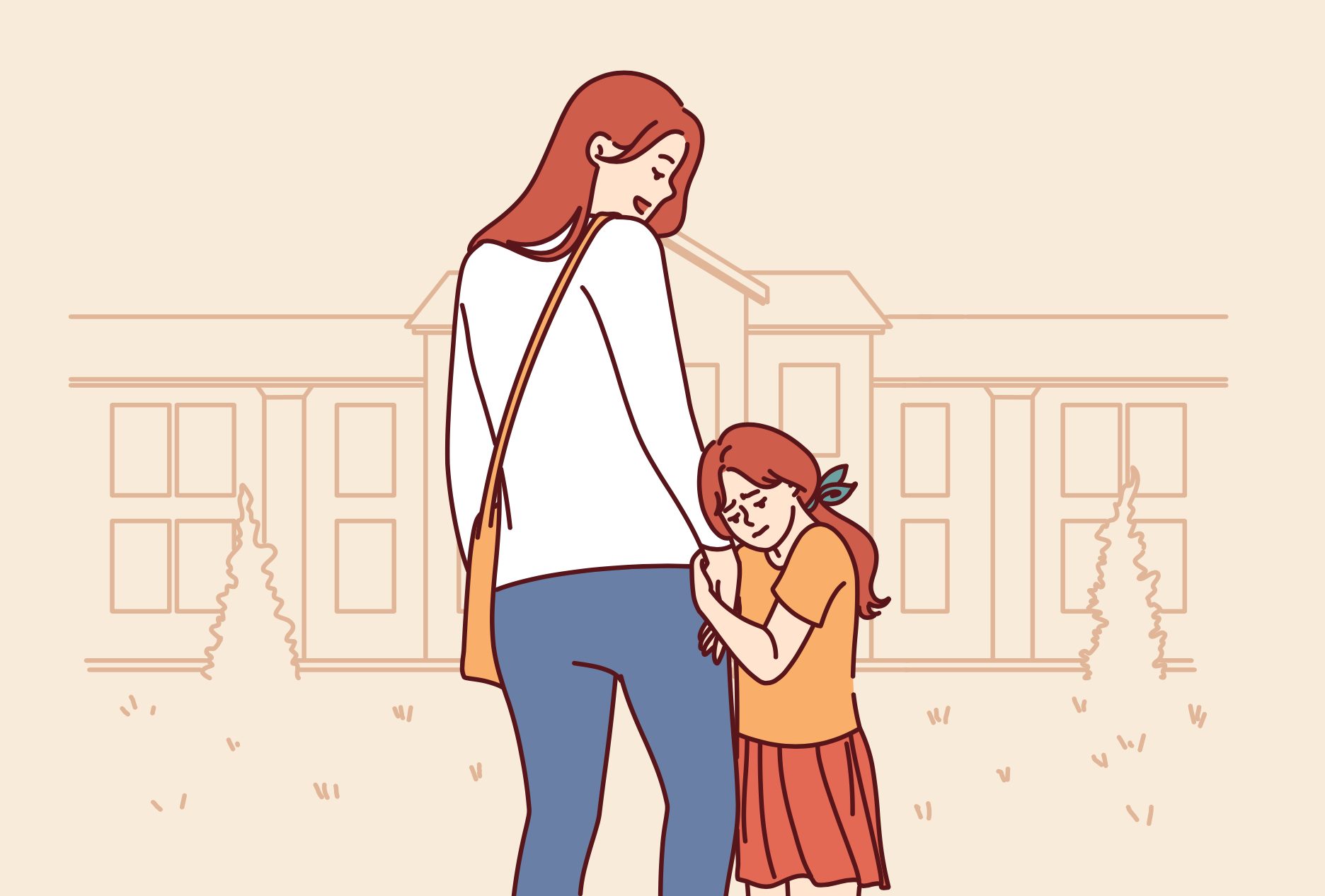
The car is parked. The door is open. And suddenly, your child can’t move. It might be a birthday party, a new school, a friend’s house, or even an activity they were excited about. But the moment it’s time to walk in, your child insists they need to go home now.
For parents, anxiety around new places can be frustrating. Why is something that’s supposed to be fun suddenly so hard?
The Brain’s Built-In Alarm System
According to Katherine Lamparyk, a pediatric psychologist with Akron Children’s Hospital, the answer has far less to do with behavior and much more to do with biology.
“Our bodies are designed to keep us safe,” Lamparyk says. “Being cautious about new or unfamiliar situations is part of that. For some kids, that system is extra sensitive.”
When routines change or environments feel unfamiliar, Lamparyk says a child’s brain can become overtaken by the sympathetic nervous system — the part responsible for the “fight-or-flight” response.
That can cause physical sensations like a racing heart or tight muscles, along with emotional reactions that feel big and sudden. Kids may cry, cling, shut down or lash out — but not because they’re misbehaving, but because their nervous system is on high alert.
Why Some Kids Struggle More Than Others
Not all children react the same way to new environments. Some kids are naturally more cautious or sensitive. Others may have had a past negative experience in an unfamiliar place, such as an unexpected medical procedure, that taught their brain to associate “new” with “unsafe.” Genetics can also play a role, as can learned anxiety patterns from adults around them.
Normal Nerves or Something More?
Feeling nervous about new places is part of growing up. But anxiety may need extra support when it starts interfering with everyday life.
“It’s OK if a child doesn’t want to go down the tallest slide,” Lamparyk says. “But if anxiety keeps them from attending birthday parties or social activities altogether, that can start to impact development.”
How Parents Can Help Before Going Somewhere New
Preparation goes a long way. Talking through what will happen using simple, concrete details (where you’ll park, who you’ll see first, etc.) can help calm a child’s nervous system.
It’s also important to validate feelings without dismissing them. Saying, “I see that you’re nervous. Sometimes I get nervous in new places, too. We’ll do this together,” helps kids feel understood and supported.
When anxiety turns into a meltdown or freeze response, logic won’t help. Regulation comes first. Getting down at your child’s level, modeling calm breathing, and gently grounding them in the environment can help shift their body out of fight-or-flight. Once they’re calmer, you can make a simple plan together to move forward.
