


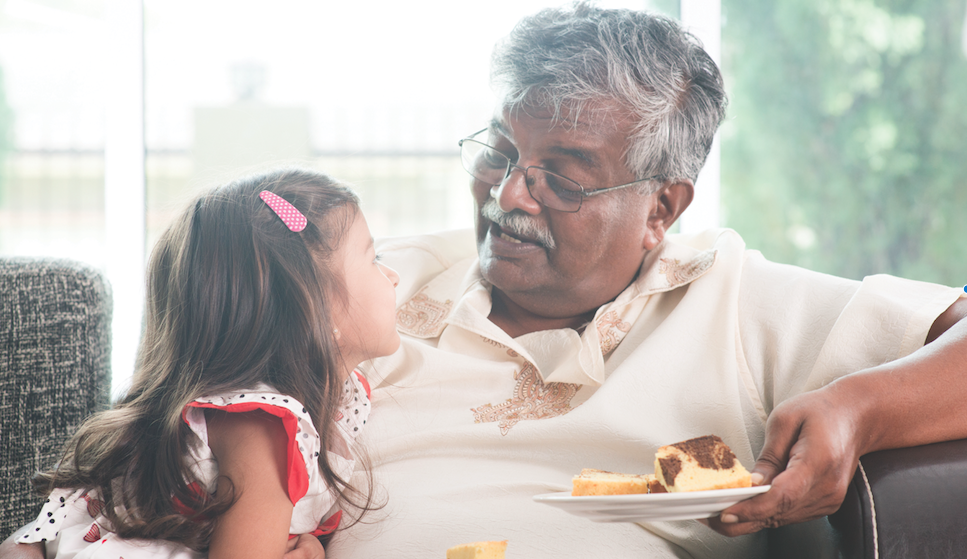
If you’re packing school lunches in the morning and checking on Mom or Dad in the afternoon, you’re far from alone. Many parents find themselves caring for two generations at once, juggling practice schedules on one side and doctor’s appointments on the other.
A complaint many aging parents share is simply being uncomfortable. A stiff neck in the morning, a sore back after an afternoon in the recliner, trouble getting settled at night. None of it is an emergency, but it wears on them, and it wears on you when you’re the one hearing about it on the phone.
Small changes at home can make a real difference in how comfortable your parent feels day to day. Here’s a practical way to approach it.
1. Start With a Conversation, Not a Shopping List
Before you buy anything, ask your parent what bothers them most and when. Is it first thing in the morning? After sitting for a long time? At bedtime?
Their answers will tell you where to focus. They also help your parent feel like a partner in the process, rather than someone being managed by their adult children.
Bring the Doctor Into It
If your parent has ongoing pain, new symptoms or a chronic health condition, their doctor should be part of the plan. Write down questions before the next appointment so the visit doesn’t end before you’ve covered everything.
2. Make the Favorite Chair Work Harder
Many older adults spend a large part of the day in one chair. Mayo Clinic notes that long periods of sitting are linked to a range of health concerns and suggests a short break to stand up every 30 minutes as a simple starting point.
Small Changes That Help
- Set a gentle reminder on their phone or a kitchen timer for regular stand-up breaks.
- Keep the TV remote, reading glasses and water within easy reach so they’re not twisting or straining to grab them.
- Add a small cushion behind the lower back if the chair is deep or saggy.
3. Look at the Pillow Situation
Many people keep the same pillow for years without noticing how flat it has become. A pillow that no longer supports the head can leave your parent waking up stiff.
What Type of Pillow Is Best for Neck Pain?
There isn’t a single best pillow for everyone, because the right one depends on how a person sleeps. Cleveland Clinic suggests sleeping on your back or side rather than your stomach, which keeps the head twisted for hours, and mentions a special neck pillow as one option. In general, look for a pillow that keeps the head roughly in line with the spine rather than propped up high or sunk flat. Let your parent test a few at the store if they can. Comfort is personal, and the pillow they’ll actually use is the right one.
4. Use Warmth Wisely
Heat is one of the simplest comforts for stiff muscles. Cleveland Clinic explains that heat increases blood flow and helps tight muscles relax, and it recommends keeping heat sessions under 20 minutes.
Extra Caution for Older Adults
Heat needs more care as we age. According to American Family Physician, a journal of the American Academy of Family Physicians, heating pads are a common cause of minor burns and can lead to serious burns in older adults with reduced sensation or memory problems. A few rules help:
- Choose products with regulated heat and an automatic shut-off.
- Check the skin after each use.
- Don’t let your parent fall asleep with a heating pad or heated device on, even if it has an auto shut-off. Cleveland Clinic gives the same advice.
5. Add Gentle Traction Only With the Doctor’s OK
Some at-home neck pillows now include traction, a gentle stretch that creates a little space between the bones of the neck. It can feel relaxing, but it isn’t right for everyone.
How Do You Use a Cervical Traction Pillow Safely?
Talk to a healthcare provider first. Cleveland Clinic says cervical traction can be done at home, but it advises discussing your risk factors with a provider beforehand and reading every safety warning before the first use. It lists people who have had neck fusion surgery and people with conditions such as osteoporosis or untreated high blood pressure among those who should avoid it. Either way, start with short sessions, and call the doctor if your parent notices new or worsening pain, numbness or tingling, vision changes or headaches.
What These Pillows Look Like
If your parent’s doctor gives the go-ahead, there are pillows that combine traction with heat and massage in one device. The Thera Pillow by Callixe is one example. It’s a cordless memory-foam pillow with an air-powered lift for the neck, heat and four vibration patterns, and it shuts off automatically after 30 minutes. The brand suggests starting with about five minutes and working up. Because it’s cordless, it can be used in a favorite chair without running a cord to an outlet.
6. Keep Gentle Movement in the Routine
Stiff joints and muscles often feel better with regular, easy movement. Cleveland Clinic recommends slow range-of-motion exercises for a stiff neck: looking up and down, turning side to side, and bringing each ear toward the shoulder.
Make It Social
Movement is easier to keep up with company. Join your parent for a short walk after lunch, or bring the grandkids for a few minutes of stretching together. Kids are usually happy to lead, and grandparents usually enjoy following.
7. Make Help Easy to Accept
Many aging parents don’t want to feel like a burden. Frame changes as upgrades rather than signs of decline. A new pillow is a treat. A standing break is part of the afternoon routine. Setting up a new device together is a visit, not a chore.
Take Care of Yourself, Too
Caring for two generations is a lot. Ask siblings to share tasks, accept help from friends, and keep an eye on your own neck and back while you lift, drive and carry for everyone else.
Small Changes, Made Together
Helping an aging parent stay comfortable at home doesn’t require a major renovation. Start by asking what bothers them most. Then work through the basics: regular breaks from sitting, a supportive pillow, warmth used carefully and gentle daily movement. Add anything new, especially traction, only after checking with their doctor.
Done together, these steps can make the days feel easier for your parent and for you. If your parent’s pain is persistent, severe or getting worse, contact their doctor promptly.
