


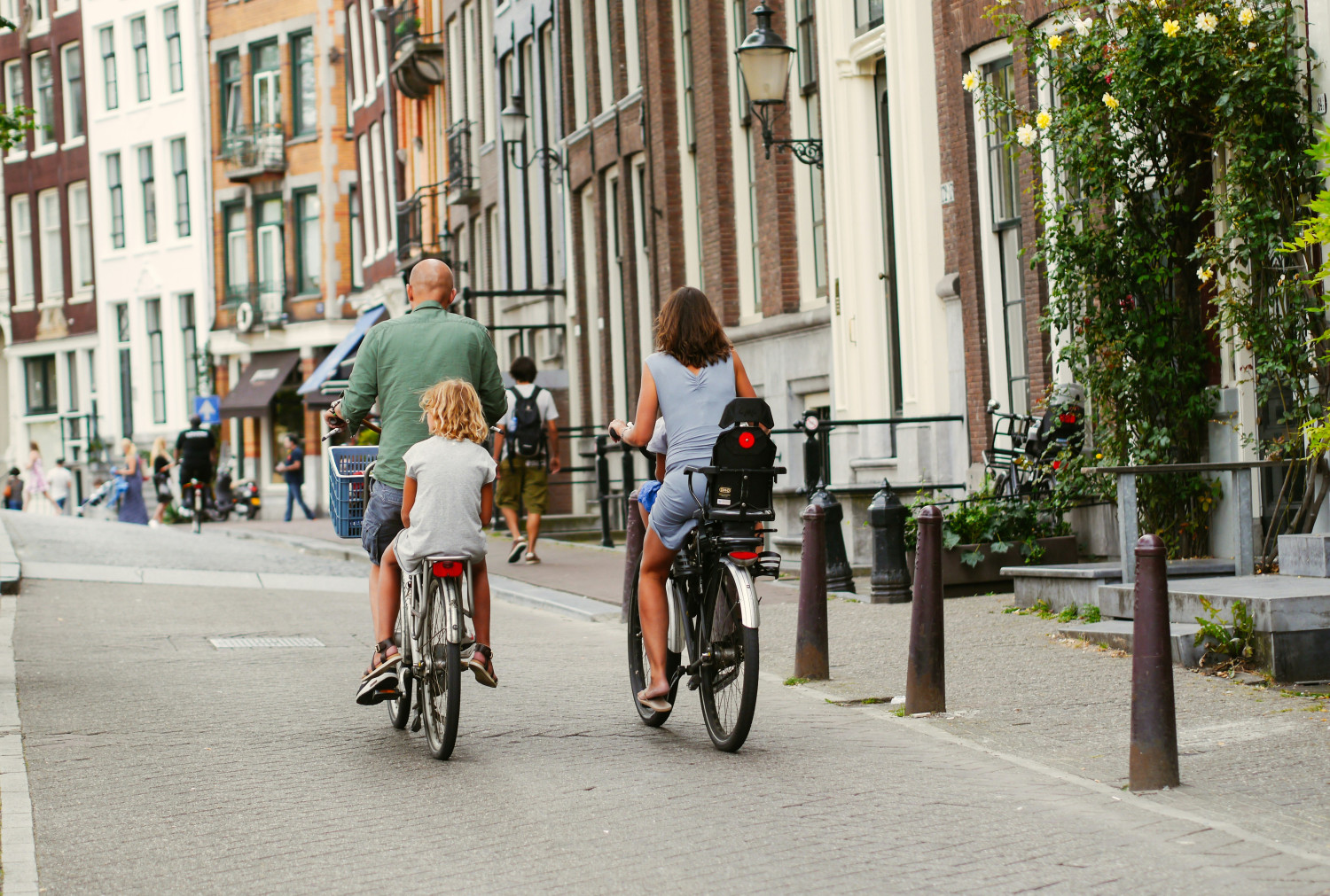
Family schedules often create several short car trips each day, from school drop-off to sports practice and quick store runs. Replacing even a few of those trips with walking, biking, an e-bike or public transit can lower household transportation costs and add useful movement to the day.
A greener family commute doesn’t have to follow one formula. Distance, weather, children’s ages and local infrastructure all affect what works. Start with trips that feel manageable, build reliable routines and keep a backup plan for days when conditions change.
Why Go Green with Your Commute
Transportation choices affect more than a family’s environmental footprint. Walking and biking turn travel time into physical activity, while public transit gives parents a break from parking and traffic. Fewer car trips can also reduce spending on gas, parking and routine vehicle maintenance.
Look at your family’s weekly schedule and identify trips under 2 miles. A nearby school, library or playground may be reachable without the car, especially when you allow an extra 10 or 15 minutes. For longer distances, combining transit with walking or biking may work better. These sustainable commuting ideas show how several transportation options can fit different schedules.
The benefits can extend to children’s daily habits. A walk to school offers time to talk before the day starts, and an afternoon bike ride can help kids release energy after sitting in class, but always remember school safety tips. Children also learn how to judge traffic, follow routes and participate in their community.
You don’t need to change every trip to see a difference. If your family normally makes 10 short drives each week, replacing three of them creates a realistic starting point. Track those trips for a month, including any money saved, so everyone can see the results.
Walking and Biking to School Safely
Test the school route on a quiet weekend before using it on a busy morning. Note sidewalk gaps, busy driveways, railway crossings and intersections with limited visibility. If one street feels uncomfortable, a slightly longer route with sidewalks and controlled crossings may be the better choice.
Younger children need direct supervision and repeated practice. Teach them to stop at every curb, look in all directions and make eye contact with drivers before crossing. Children on bikes should use properly fitted helmets and understand basic hand signals. The bike itself should fit the rider, allowing the child to control it confidently and place a foot on the ground when stopped.
Visibility matters during cloudy mornings and shorter winter days. Choose bright outer layers and add reflectors or lights to bikes, backpacks and strollers. Keep loose shoelaces and bag straps away from wheels.
Some families organize a walking school bus, where adults take turns accompanying a group along a set route. A bike train uses the same idea for confident riders. Ask the school whether it has arrival procedures for walkers and cyclists, then choose a meeting point away from crowded vehicle lines. On rainy or icy days, switch to the backup plan without treating it as a failed commute. Safety and consistency should guide the routine.
E-Bikes for Family Errands
An e-bike can make medium-distance errands more practical, especially when hills, headwinds or a full schedule would make a standard bike trip difficult. Electric assistance helps the rider maintain a comfortable pace while still pedaling. That can turn a 4-mile trip to the store or community center into a realistic transportation option.
Before shopping, list the trips you expect to make and the items you typically carry. Someone comparing an Aventon ebike can review electric bicycles designed for commuting, recreation and urban exploration, along with accessories and test ride options. Pay attention to fit, riding position, battery range and the bike’s total weight. A test ride can reveal whether starting, stopping and turning feel controlled.
Plan cargo carefully. Panniers may work for groceries, while a front or rear basket can hold a backpack or small bag. Follow the bicycle manufacturer’s weight limits and instructions for any approved child-carrying accessory. Local rules for e-bike classes, paths and passenger ages vary, so check the regulations where you live before establishing a route.
Battery care belongs in the routine too. Store and charge the battery according to the manufacturer’s directions, inspect tires before longer rides and keep the charger in a dry location. For more ways to combine active transportation with everyday travel, these greener commute tips offer useful ideas.
Image Credit: Unsplash
Public Transport with Kids
Public transportation can handle trips that are too far for walking or biking, but the first family outing may take longer than expected. Practice on a low-pressure day when you don’t have an appointment. Ride for a few stops, show children how to read signs and identify the stop where you’ll get off.
Check the transit agency’s current fare policies before leaving home. Some systems let young children ride free, while others offer reduced fares for students. Load a fare card or download the official payment app in advance. If you’re traveling with a stroller, confirm whether it must be folded and look for accessible boarding information.
At the stop, keep young children close and stand back from the curb or platform edge. Give older kids a simple job, such as watching for the route number or listening for the next-stop announcement. Discuss what to do if anyone becomes separated, including finding a uniformed transit employee and knowing a parent’s phone number.
Pack lightly so you can manage bags while helping children board. A small snack, water, wipes and one quiet activity usually cover a routine ride. Leave one bus or train earlier than necessary on time-sensitive days, since missed connections can quickly disrupt a family schedule.
Public transit also pairs well with other travel modes. Walking to a stop or biking to a station can extend the range of a car-free trip. These eco-friendly commute options can help families think beyond a single mode of travel.
Making the Switch Easy
Choose one repeatable trip for your first change. The Wednesday library visit may be easier to adjust than a hectic Monday morning school run. Try the new route twice, note how long it actually takes and decide what clothing or supplies would make it smoother.
Create a small departure station near the door. Helmets, transit cards, bike lights, reflective gear and weather layers should have assigned places. Charge lights and e-bike batteries on a regular schedule, then check the forecast the night before. Removing the morning search for missing items makes greener transportation much easier to sustain.
A simple weekly plan can keep expectations clear:
- Pick one or two active or transit-based trips.
- Add 10 minutes for children’s pace and unexpected stops.
- Keep a carpool, ride service or vehicle option available for severe weather.
- Review the routine after two weeks and adjust the route or timing.
Let children contribute where their age allows. They might choose the walking route, pack a snack or mark completed trips on a calendar. A visual record can be especially motivating when the family is working toward a goal, such as using the money saved for a zoo visit.
Seasonal changes will affect the routine. Hot afternoons may call for transit, while a mild fall morning could be ideal for walking. The most useful family transportation plan stays flexible enough to match real life. Once a route feels familiar, it stops being a special project and becomes another dependable way to reach school, the library or the neighborhood store.
