


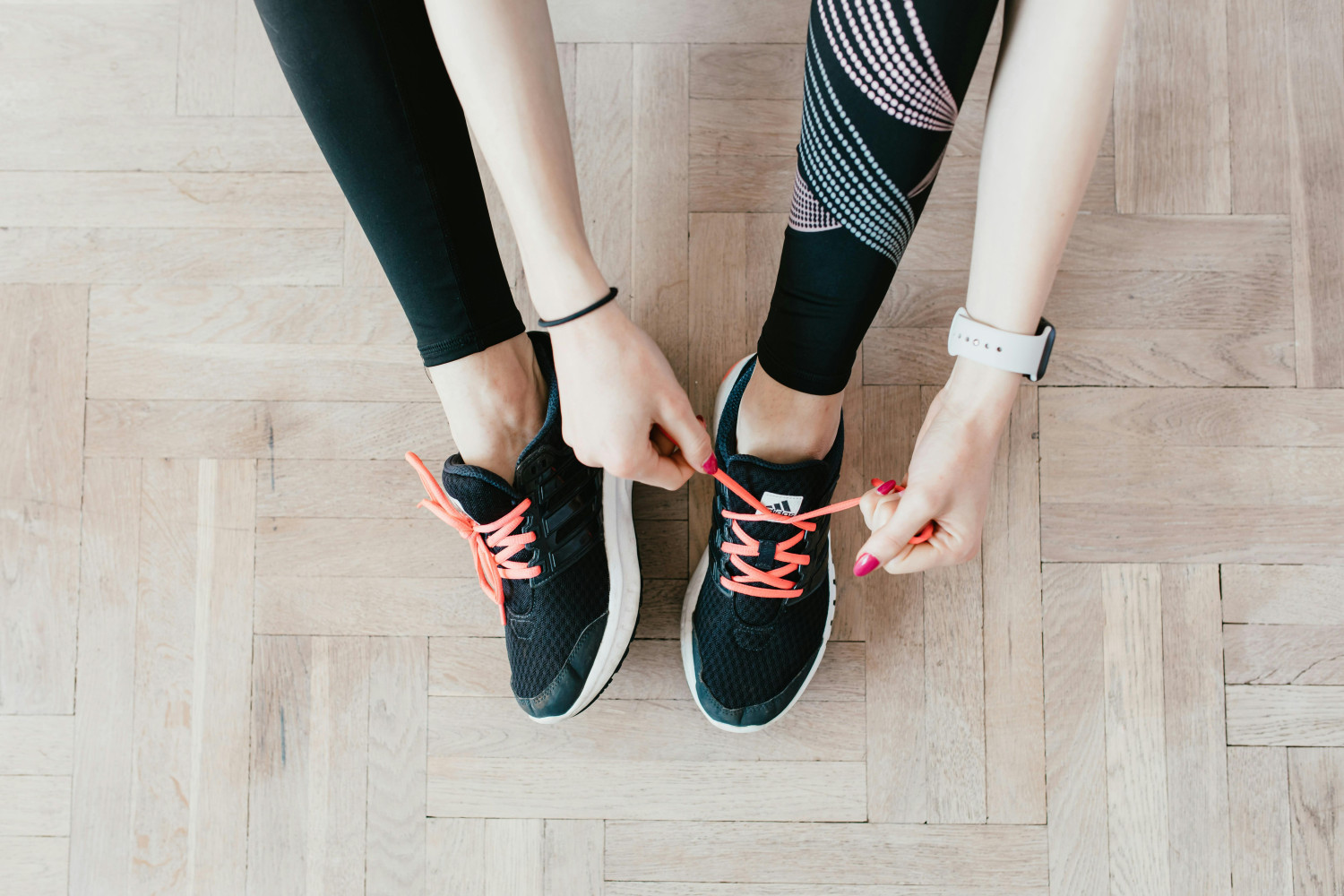
We take an average of 4,000 to 5,000 steps per day, but when family outings roll around, that figure can increase by a factor of 10. Such a staggering volume of movement puts incredible pressure on the twenty-six bones and thirty-three joints that make up each of your feet.
When you are planning a massive family outing to a zoo, museum, or outdoor festival, your footwear strategy determines whether you enjoy the memories or spend the afternoon hunting for a bench. Preparing for these excursions requires more than just lacing up old sneakers and hoping for the best.
Success starts with a physical audit of your foundation before you even leave the driveway. You can perform a quick wet test at home by stepping onto a piece of cardboard with damp feet to see your arch shape. If the print looks like a solid block, you likely have low arches that will collapse under the weight of a full day of walking.
Stretching your calves is a non-negotiable step because tight muscles pull on the plantar fascia, causing sharp heel pain. Spend five minutes leaning against a wall to lengthen those fibers before the first mile begins.
Choosing Shoes for the Long Haul
Most people reach for their most cushioned running shoes when they know a long day is coming. While extra foam feels great in the store, it often lacks the structural integrity needed to prevent fatigue over several hours. You need a shoe that bends at the toes but remains rigid through the middle of the sole.
If you can twist your shoe like a wet rag, it will not provide the stability your joints require on uneven park turf. Modern footwear often prioritizes weight over support, which leads to your feet working overtime to stay balanced.
For those dealing with flat feet, a standard foam insert rarely provides enough resistance to keep the ankle from rolling inward. This inward roll, known as overpronation, is a primary cause of knee and hip misalignment during long walks.
Real relief often requires supportive insoles for flat feet to redistribute pressure across the entire foot surface instead of letting the arch take the full impact. By keeping the foot in a neutral position, you stop the chain reaction of pain that usually hits your lower back by lunchtime. Customization allows the orthotic to match your specific heel width and arch height for a seamless fit.
The Essential Foot Care Kit
A proactive parent carries more than just snacks and water in their day pack. Small irritations turn into limping disasters within an hour if they are not addressed immediately. You should pack a dedicated kit that stays in an accessible side pocket of your bag.
Preparation involves gathering a few specific items to handle friction and moisture:
- Moleskin or blister bandages to apply at the first sign of a “hot spot”
- A travel size bottle of anti friction balm for the heels and toes
- One pair of spare moisture wicking socks to swap during a mid day break
Moisture is the enemy of skin integrity because damp skin is far more likely to tear or blister. Changing into a fresh pair of socks at the four-hour mark feels like a total reset for your energy levels.
Podiatrists emphasize moisture management as the most effective way to prevent the skin breakdown that makes walking unbearable. Keeping the skin dry ensures that your feet remain tough enough to handle the friction of high mileage.
Managing Terrain and Pacing
Theme parks and historic districts are notorious for their hard, unforgiving surfaces, such as concrete or cobblestones. These surfaces do not absorb energy, meaning every step sends a shockwave directly up your leg. To combat this, try to walk on the grass or softer paths whenever they are available to give your joints a micro break.
When you do take a seat, do not just sit still while the kids play. Take a moment to rotate your ankles in circles and point your toes back toward your shins. This movement helps pump blood back toward your heart and prevents the swelling that makes shoes feel tight by evening. According to experts, elevating your feet even slightly above your hip level during a rest can significantly reduce the “heavy” feeling associated with long outings.
Recovering After the Outing
The work is not finished once you get back to the car or the hotel room. Inflammation builds up after miles of walking, so the first thing you should do is remove your shoes and check for redness. Using a frozen water bottle as a foot roller provides a dual benefit of cold therapy and massage. Roll the bottle under your arch for ten minutes to soothe the connective tissues.
Taking these steps ensures you are ready to do it all again the next day. If you find that your feet are consistently sore despite these efforts, it might be time to look closer at your biomechanics. You can find more detailed guides on our blog about life as a parent and managing the ups and downs involved.
