


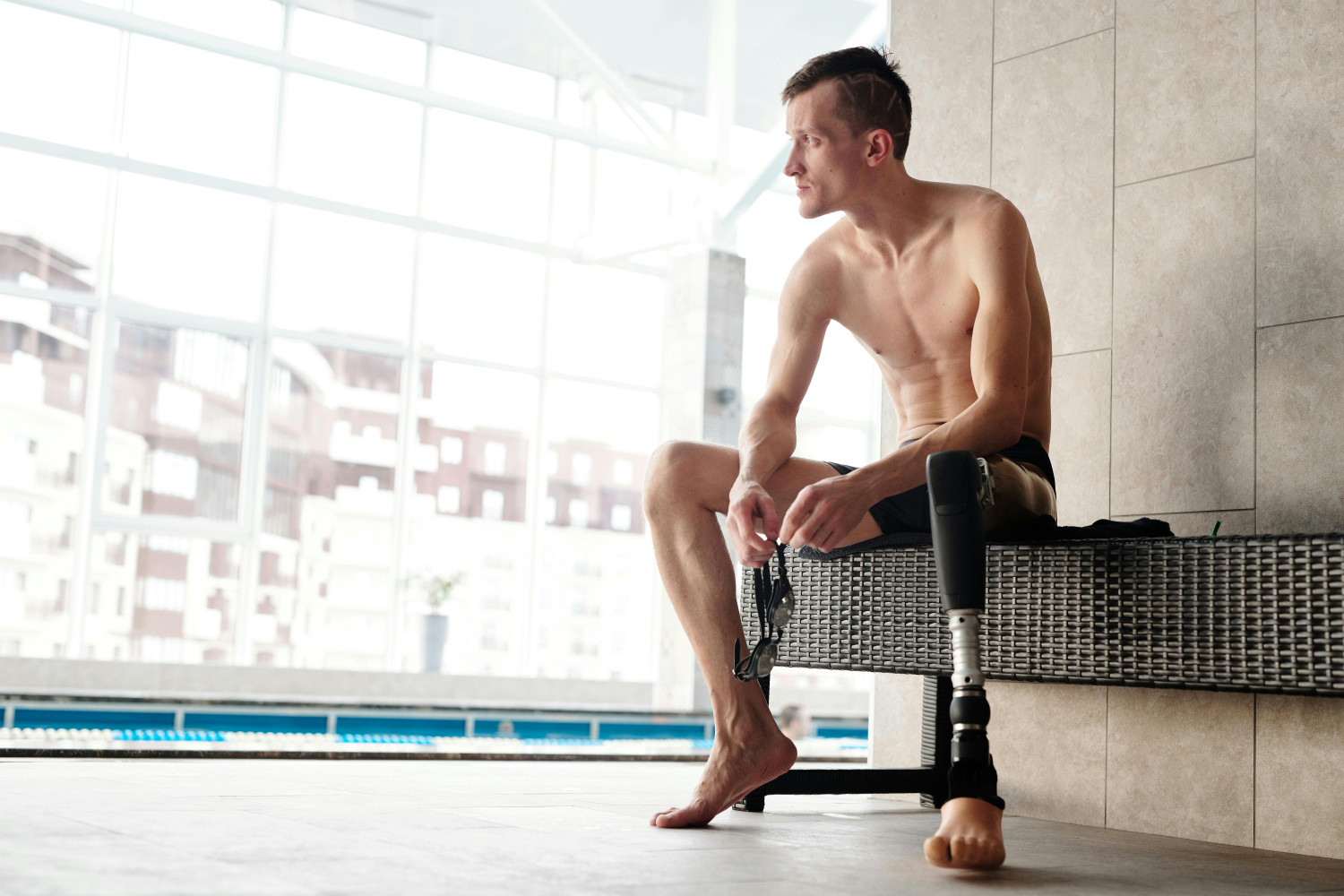
Living with a prosthesis can be a big adjustment, especially at the beginning. Whether you are new to using one or have had it for years, small daily habits can make a big difference in the level of comfort and confidence you have using it. Below are a few top tips to help you live well with a prosthesis and get the most out of it.
Take time to adjust
It’s normal for your body and mind to need time to adapt when you start living with a prosthesis. It may be difficult at first and some days will feel easier than others. Be patient with yourself and recognize progress, even if it feels slow. It will take time for your prosthesis to become part of your daily routine.
Make it comfortable
A well-fitting prosthesis is essential for being comfortable and able to move properly. Don’t ignore any pain or rubbing as these issues can generally be fixed and may turn into bigger problems over time if left. Have regular check-ins with your prosthetist and visit a trusted medical supply store for advice on ensuring your prosthesis continues to meet your needs.
Look after your skin
Skin care is extremely important when using a prosthesis. Clean your residual limb daily with soap and water, and dry it thoroughly before wearing your device. Check your skin for redness, blisters, or sores. Catching skin issues early can prevent discomfort and infections.
Build strength and balance
Living with a new prosthesis requires you to learn to move and interact with the world in a different way. Staying active helps improve balance and strength. Performing a few simple exercises every day can make walking, standing, and daily tasks easier. Even gentle movement can improve circulation and reduce stiffness, helping you feel more in control of your body.
Keep your prosthesis clean
Regular cleaning of the prosthesis and liners or other accessories helps prevent unpleasant odors, skin irritation, and wear. Closely follow the care instructions provided by your prosthetist. Routine maintenance checks can also help extend the life of your prosthesis and keep it working properly.
Dress comfortably
Your clothing choices can affect how comfortable and confident you feel throughout the day. Many people find that certain materials or styles work better with their prosthesis. Experiment with different clothes to figure out what feels best for you.
Connect with others
Adjusting to a new prosthesis can be tough, but you don’t have to do it alone. There are support groups and online communities available, where you can talk with others who use prosthetics. Sharing experiences and advice can be very comforting and motivating.
Prioritize mental well-being
Living with a prosthesis affects more than just your body. It’s okay to have emotional ups and downs. If you’re feeling overwhelmed, consider speaking with a therapist or loved one. Taking care of your mental health is just as important as physical care.
In summary, with patience, proper support, and the right resources, living with a prosthesis can become a comfortable and empowering part of your life.
