


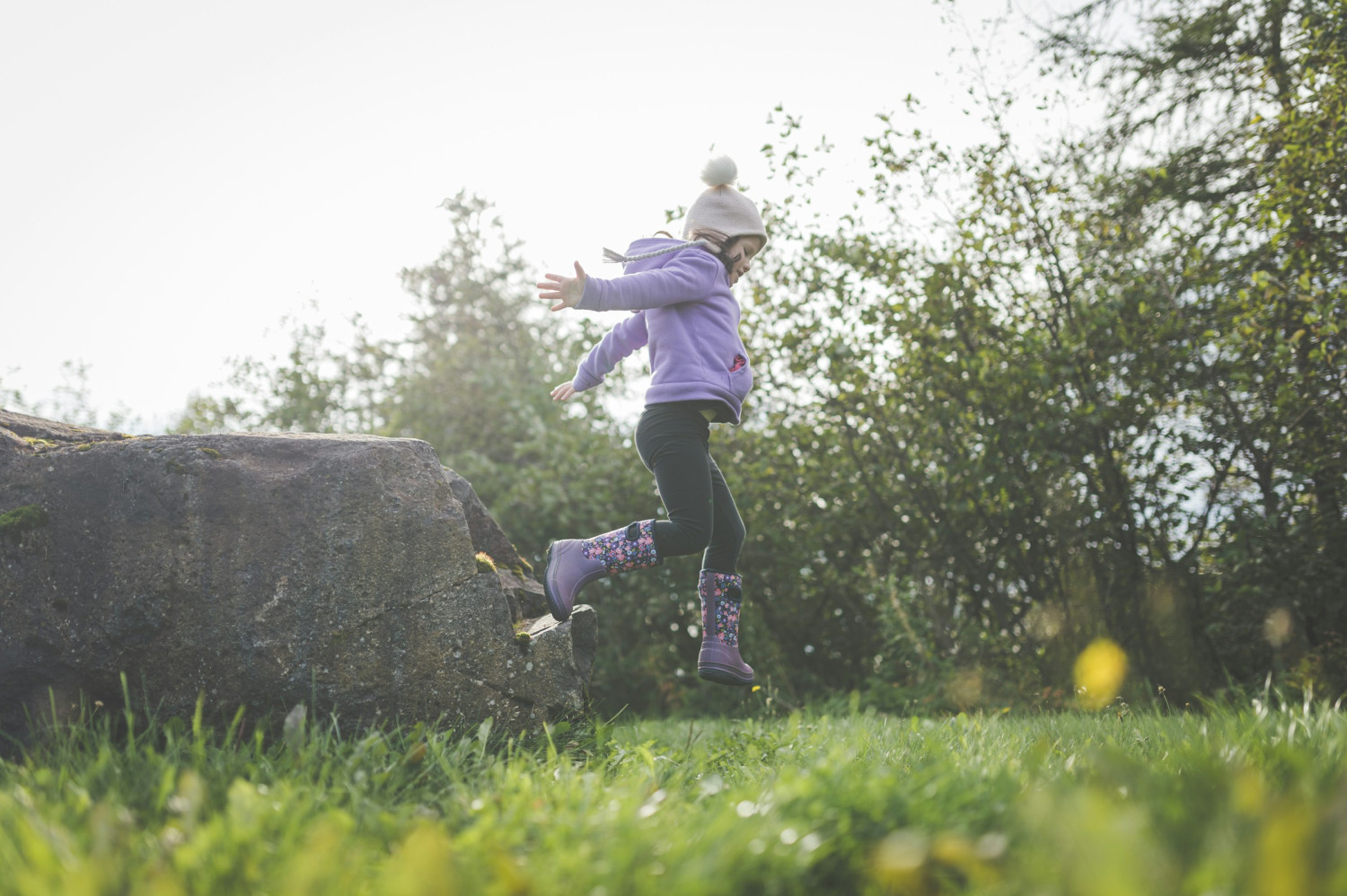
For kids with seasonal allergies, all the sniffles, sneezes, and itchy eyes can make going outside feel more like a chore than a treat. But pollen, grass, and other environmental triggers don’t have to stop the fun. With a bit of planning, you can help your child enjoy the fresh air and keep their allergy symptoms under control.
Choosing Allergy-Friendly Playtimes
When it comes to managing seasonal allergies, timing is everything. Pollen counts are often highest in the mid-morning and early evening. So, if you plan your outdoor activities for other times, it can make a big difference. Check your local weather forecast or use a pollen-tracking app to see the daily counts for your area.
Try to head out in the early morning or after it rains. The moisture helps weigh down pollen and keeps it out of the air. Windy days can be especially tough because they stir up and spread allergens. On days with high pollen or strong winds, you might want to play for shorter periods or choose indoor activities instead.
Gear Up: Clothing and Accessories
The right gear can create a physical barrier between your child and airborne allergens. Simple accessories can really cut down on their exposure and discomfort.
Wraparound sunglasses help protect your child’s eyes from pollen, which means less itchiness and irritation. A hat with a brim not only offers sun protection but also stops pollen from settling in your child’s hair. This helps prevent it from getting transferred to their pillow at night. On days with very high pollen counts, lightweight long-sleeved shirts and pants can keep allergens off your child’s skin, reducing the risk of rashes or hives.
Post-Play Clean-Up Routines
What you do after coming inside is just as important as the steps you take outside. A consistent clean-up routine can wash away lingering allergens before they cause symptoms in your home. Make it a rule for your child to change clothes as soon as they come indoors and put their “outside” clothes straight into the laundry hamper.
A quick shower or bath to rinse pollen from skin and hair is also very effective. At the very least, have them wash their hands and face thoroughly. This routine should also include any gear brought inside. This means personal items that can trap allergens, so it’s a good idea to wipe down glasses, toys, and even learn about cleaning hearing aids during pollen season if your child uses them.
Emergency Allergy Preparedness
If your child has more severe allergies or asthma, it’s crucial to be ready for a reaction. Work with their pediatrician or allergist to create an allergy action plan. This document should clearly state your child’s specific triggers, the symptoms of a reaction, and what steps to take in an emergency, including when and how to give medication.
Always bring any necessary medications, like antihistamines or prescribed inhalers, with you on outdoor trips. Make sure you, your child, and any other caregivers know how to spot the early signs of an allergic reaction. Having a clear plan is a key part of managing allergies and outdoor activities safely.
Fun Activities for All Kids
Allergies don’t mean you have to skip all outdoor fun. You can guide your child toward activities that are less likely to trigger their symptoms. Swimming is a great choice, as pools and beaches usually have less pollen than grassy parks. Playing on paved surfaces like a basketball court or a skate park can also reduce exposure.
If you have a yard, you can make it a more comfortable place. You can focus on creating an allergy-safe environment by choosing low-pollen plants and using mulch instead of grass in certain spots. Keeping the lawn mowed short also helps, as it stops grass from flowering and releasing pollen.
With these simple changes, you can help your child enjoy playing outside without the constant discomfort of allergy symptoms. A little preparation lets your family embrace the season and make wonderful memories together.
