


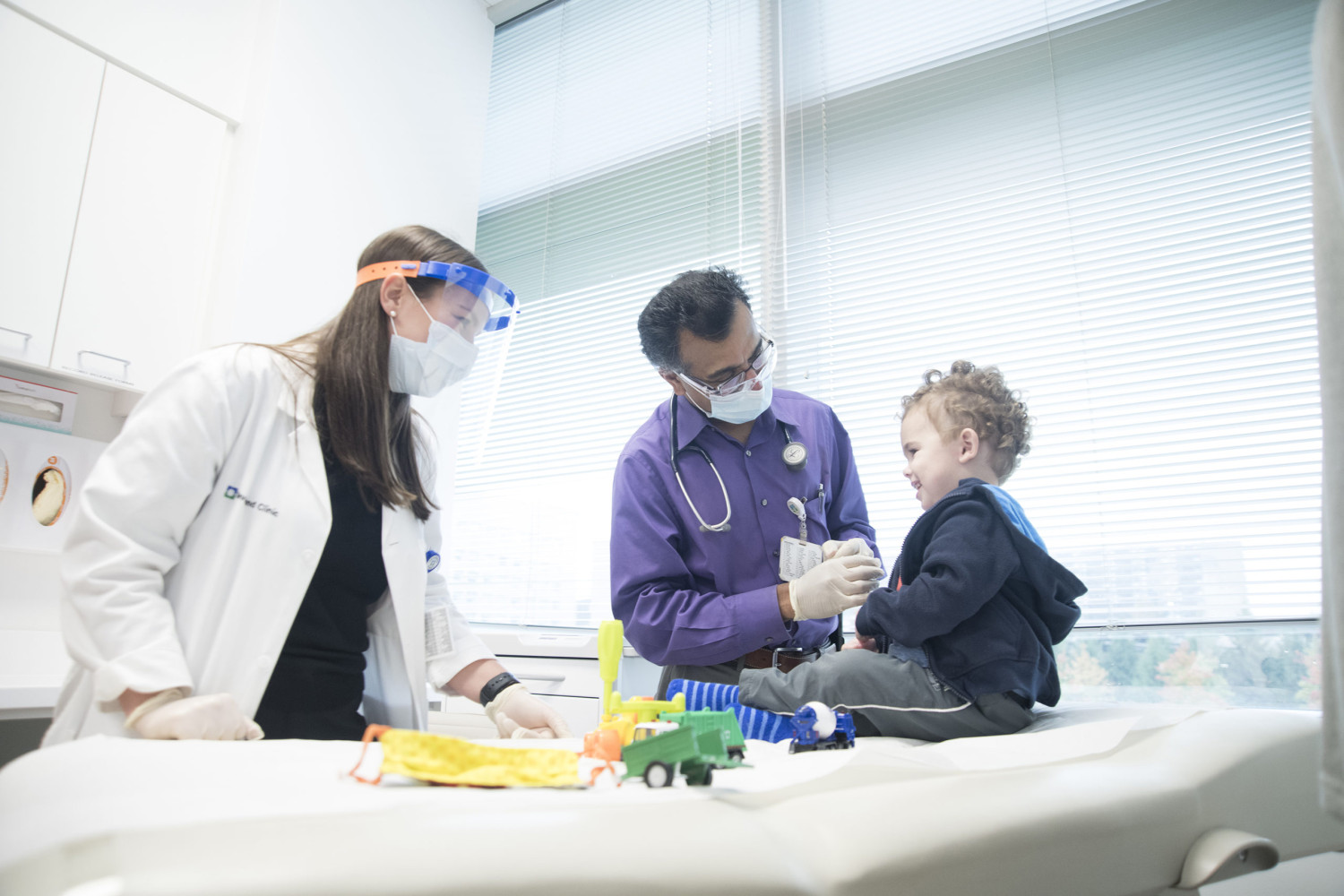
Hospitals feel overwhelming. The bright lights. The busy hallways. The unfamiliar equipment. All of this makes patients and their families nervous. Because of this, many patients will feel high levels of anxiety and stress.
But hospital staff are working hard behind the scenes. They do this every day to create a safe and supportive environment. Safety is always the top priority – from how rooms are designed to how medications are given.
Below are three ways that these staff members create a safe environment for their patients.
Environmental Maintenance and Design
A safe hospital beings with the environment itself. Staff members carefully maintain patient rooms, hallways, and common areas. This is to reduce risk. Equipment is checked frequently to make sure it works properly. Floors are kept clean and dry to prevent slips and falls.
Hospital design plays a role here, too. Rooms are arranged so staff quickly reach patients when needed. Lighting is bright enough for medical tasks, but it must allow patients to rest comfortably. Even the furniture placement is intentional. Patients will limited mobility should be able to move safely.
The right technology and equipment support this environment. Most hospitals rely on mobile workstations – like Pace, Roam, and Integro carts – to allow nurses and doctors to access patient information while sticking close to the bedside. Staff work more efficiently with this, without leaving patients unattended for long periods.
Rigorous Infection Prevention
Hospital safety also include preventing infections. This is actually one of the most important aspects. Healthcare workers must follow strict protocols designed to protect patients, visitors, and staff.
Hand hygiene is the foundation. All team members – doctors, nurses, support staff – must wash or sanitize their hands before and after each patient interaction. Gloves, gowns, masks, and other protective equipment should be used when necessary.
Clean and disinfect patient rooms and medical equipment. Do this regularly. Hospitals will typically have dedicated environmental service teams. Staff members in these teams ensure surfaces remain safe and sanitary. Such careful routines like this reduce the risk of germs spreading within the ward.
Effective Communication and Handoffs
Clear communication is needed for patient safety. Hospitals, of course, operate around the clock. This means multiple teams care for the same patient throughout the day and night.
To ensure nothing is missed, structured handoff procedures are required. Staff use these when shifts change. During handoffs, nurses and doctors review key details about their patients – current treatments, medications, and any changes in condition, for example. With this, the next caregiver has the information needed to continue safe care.
But communication also includes listening to patients and families. Patients should feel comfortable to ask questions. They shouldn’t fear sharing their concerns. Good communication ensures staff will address potential problems early on.
To conclude, hospital safety is critical. It is not the responsibility of just one person, though. It requires teamwork across all departments. This means nurses, physicians, environmental services, pharmacists, and support staff all play a role.
Each step – from maintaining clean spaces to communicating clearly – helps create a healthcare environment where patients focus on healing. Everyone benefits as a result.
