


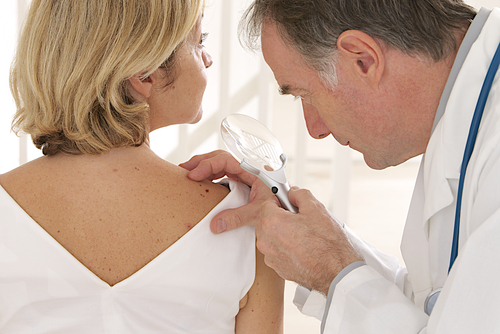
Skin tags are small, soft, harmless skin growths that commonly appear in areas where the skin experiences friction, such as the neck, underarms, eyelids, groin, and under the breasts. They are generally noncancerous and do not pose any medical danger, although some people choose to remove them for cosmetic reasons or due to irritation.
Understanding what skin tags are, why they develop, and how they can be managed safely is important for maintaining overall skin health.
What Are Skin Tags?
Skin tags, medically known as acrochordons, are small pieces of skin made up of collagen fibers, blood vessels, and skin tissue. They often appear as soft, flesh-colored growths attached to the skin by a thin stalk.
They may remain very small or grow slightly larger over time. In most cases, they do not cause pain unless they are irritated by rubbing, clothing, or jewelry.
Why Do Skin Tags Develop?
Skin tags usually develop due to friction between skin surfaces. This is why they are often found in skin folds or areas where clothing regularly rubs against the skin.
Age is another contributing factor, as skin tags become more common in adults. Genetics may also play a role, meaning some individuals are more likely to develop them if family members have a similar history.
Certain health conditions, such as obesity and insulin resistance, have also been linked with a higher likelihood of skin tag formation.
Are Skin Tags Harmful?
In most cases, skin tags are harmless and do not require treatment. They are benign growths and typically remain stable over time.
However, any new or changing skin growth should be observed carefully. If there is uncertainty about whether a growth is a skin tag, medical evaluation is recommended to rule out other skin conditions.
Safe Removal Options
Skin tags can be removed through several medically approved procedures performed by healthcare professionals. These include freezing methods (cryotherapy), minor surgical removal using sterile tools, and electrocautery, where controlled heat is used to remove the tissue.
These procedures are typically quick and are done in clinical settings to reduce the risk of infection or scarring.
In many cases, treatment is not necessary unless the skin tag causes discomfort or cosmetic concern.
Examples of Available Skin Tag Removal Products
A variety of over-the-counter products are available for individuals who explore non-prescription options for skin tag removal. These best product to remove skin tags use different approaches, such as freezing techniques or topical applications designed for gradual use.
Examples that are commonly found in pharmacies and online marketplaces include H-Skin Tags Formula, Compound W Skin Tag Remover, Dr. Scholl’s Freeze Away Skin Tag Remover, Claritag Advanced Skin Tag Remover, and Skincell Pro.
These products vary in their method of application and intended use. Some are based on freezing technology, while others use topical formulations applied over time. Results can vary depending on individual skin type, the size of the skin tag, and its location.
It is important to read instructions carefully before use and consider consulting a healthcare professional, especially when dealing with sensitive areas or when there is uncertainty about the skin growth.
Risks of At-Home Removal
Attempting to remove skin tags at home without proper guidance may carry risks such as infection, bleeding, skin irritation, or scarring. Another concern is misidentifying the growth, as not all skin lesions are skin tags.
Because of these risks, medical evaluation is often recommended before attempting any removal method.
When to See a Dermatologist
A dermatologist should be consulted if a skin growth changes in color, shape, or size, or if it becomes painful, bleeds, or shows signs of irritation.
Professional evaluation helps ensure accurate diagnosis and safe treatment, especially in cases where the growth may not be a typical skin tag.
Can Skin Tags Be Prevented?
There is no guaranteed way to prevent skin tags completely. However, reducing skin friction, maintaining a healthy lifestyle, and managing underlying health conditions may help lower the chances of developing them.
Regular skin checks can also help in identifying any new or changing growths early.
Final Thoughts
Skin tags are common, harmless skin growths that usually do not require medical treatment. While removal options exist, they should be considered carefully and preferably under professional guidance.
Understanding the nature of skin tags and focusing on safe skincare practices is more important than any single removal method. When in doubt, consulting a dermatologist remains the safest approach.
