


brought to you by 
You’ve probably heard some version of the advice to let them.
I’m not weighing in on the theory itself, but I am going to say this — it’s not that simple, especially when you’re a parent.
When we let them with adult relationships, we’re going to feel uncomfortable. Anxiety. Worry. Guilt.
When we let them with our children, the uncomfortable is a whole different ballgame. I mean how do you let them with a 4-year-old? Now we’re adding on feelings like the fear that we’re ruining them for life. For so many parents, it feels irresponsible to not be so involved or not to worry so much.
Then there’s the outside judgment of other parents, family members, friends.
As a mom of 3, believe me when I tell you, I’ve been there.
I want us to step back and understand that the discomfort you feel doesn’t mean you’re doing anything wrong. In some cases, in fact, “letting them” may be in their best interests. It does mean you need a skill set to move through the feelings without handing them the steering wheel. We need to learn how to feel uncomfortable while we let them.
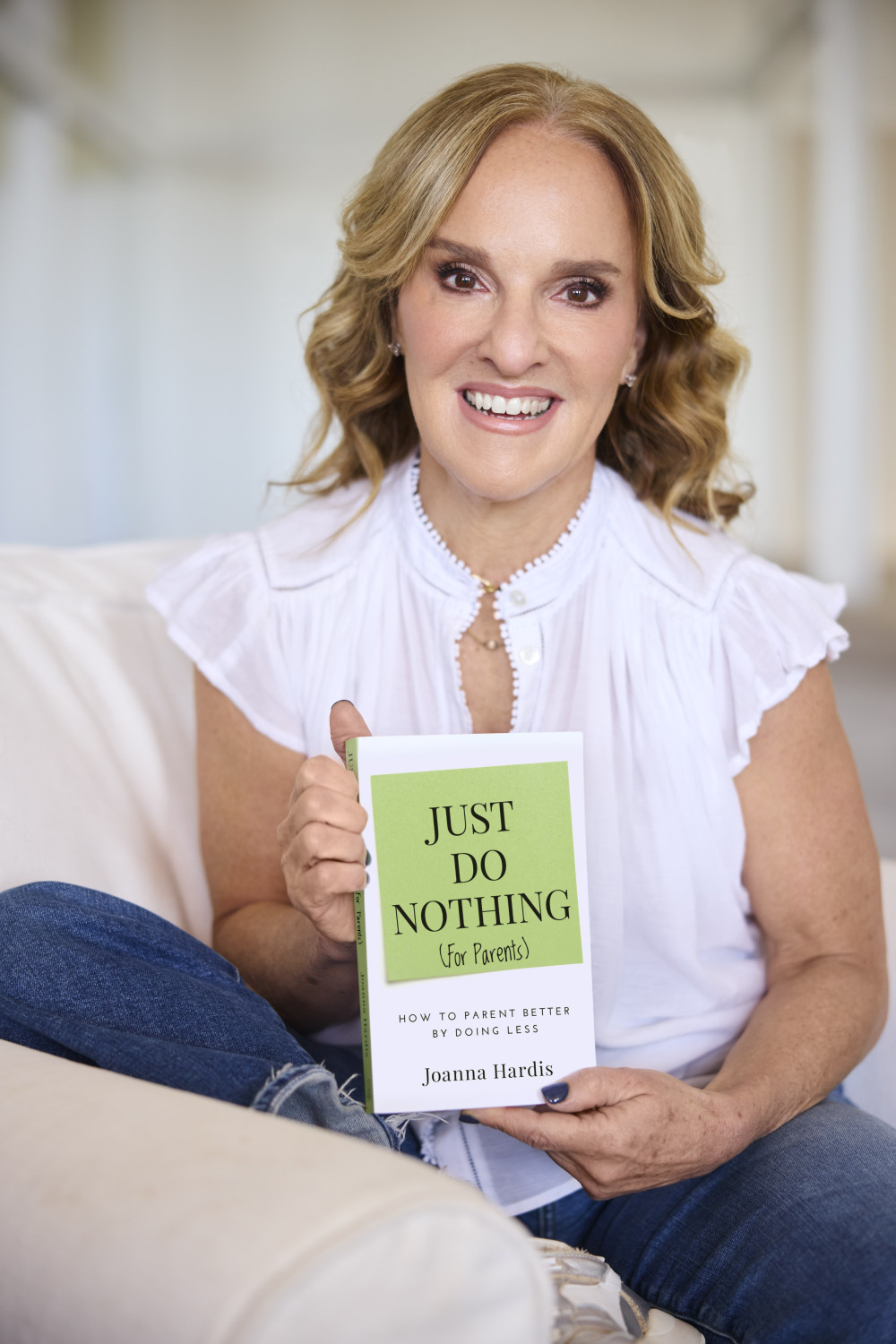
That’s where Just Do Nothing™ comes in.
Learn the parenting skills that make every other strategy finally work
Most parenting books assume you already have the emotion regulation and distress tolerance skills to implement the strategies they share.
They tell you what to do, but they don’t teach you how to do it. They may tell you to limit screen time, for instance, but they don’t tell you how to stick to that when your kid is melting down in the restaurant or throwing a tantrum.
What you need is the skills to respond to the situation rather than react to your own feelings.
We’re not trying to make uncomfortable moments comfortable. We’re trying to get comfortable with life’s inevitable discomfort.
That’s when you can let them effectively.
Here’s what letting them often looks like in real life and as a parent.
- Let them be upset with you… if you set a boundary (or say no).
- Let them be uncomfortable… if you don’t provide reassurance.
- Let them make a mistake… if you don’t do it for them.
But what about what you’re feeling? What do you do with your own discomfort? Your own worries and guilt?
What do you do instead of doing something right now to feel better?
One of the techniques I teach is PAUSE. This is a moment-by-moment skill for when your nervous system is revving.
Pause: Stop before acting. Take some breaths.
Assess: Are you in actual danger or just uncomfortable? (Spoiler: discomfort isn’t dangerous.)
Unclench: Drop your shoulders. Lengthen your exhales. Let your jaw relax.
Soften: Stop fighting the discomfort. It only makes it stronger.
Engage: Redirect attention toward what matters, regardless of how you feel.
Saying let them is easy. People have been saying versions of this forever, but actually doing it is harder. It requires you to feel discomfort without immediately trying to get rid of it. Letting them might be the concept, but Just Do Nothing™ is the skill that makes it happen.
Hard doesn’t mean impossible. It means it’s challenging. When you have the skills to build your capacity, it makes it possible. You can do this, and your children will thank you for it.
If you’re interested in learning more, check out Just Do Nothing (for Parents): How to Parent Better by Doing Less. You can sign up for a free chapter here!