


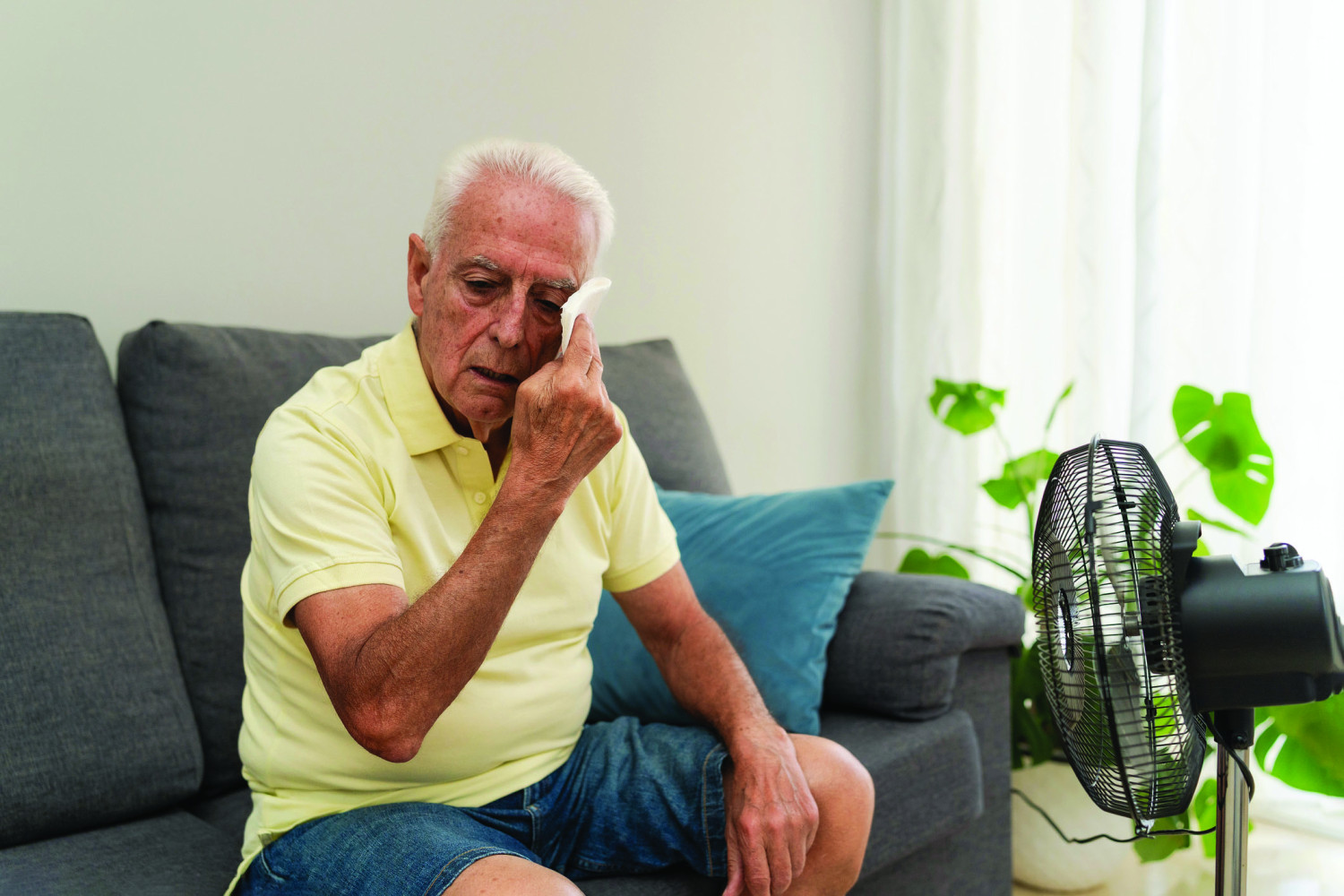
The Ohio Department of Aging (AGE) reminds older residents that extreme heat should be treated with the same care and preparation as other types of inclement weather warnings.
“As temperatures rise, preparation becomes especially important for older Ohioans,” says AGE Director Ursel J. McElroy. “Extreme heat can become dangerous quickly, but simple steps can help prevent serious illness and save lives.”
It’s not only during the day that matters. High nighttime temperatures also can impact older adults.
When the overnight low temperature is around 75 degrees, normal sleep patterns can be disrupted and there can be increased stress on the heart and cardiovascular system. When the thermometer does not fall below 80 degrees, the health implications can be significant.
“The body does not have an opportunity to recover from daytime heat in these circumstances, so special attention to finding a cool place to sleep, ideally around 65-70 degrees, is advisable for all Ohioans and especially older adults,” says Dr. John Weigand, AGE’s chief medical officer.
Family members, friends or neighbors of older adults should remember to check in on them regularly. Checking in helps older adults feel connected and lets them know you care. It also gives you an opportunity to ensure they are safe and healthy, and have the resources to stay that way.
Common things to check include:
- Is the temperature in their home comfortable? Do they have safe means to keep it that way if it stays hot outside?
- Do they need medical attention? Do they appear alert and aware? Have they fallen?
- Are they staying cool enough? Are they taking their medications as prescribed?
- Do they have safe food and water? Are they eating and drinking regularly?
- Do they have someone to call if they need help?
One reason older adults are at risk of dehydration is because, as they age, the thirst reflex is naturally diminished, Weigand says. Individuals taking medications for blood pressure, especially water pills or diuretics, also are at greater risk of dehydration. Older adults can help avoid dehydration by increasing their overall water intake above the baseline recommendation of eight to 10 eight-ounce glasses per day.
To stay cool during extremely hot days, AGE recommends:
- Drinking plenty of cool, non-alcoholic beverages (avoiding extremely cold liquids and beverages with high levels of sugar or caffeine);
- Wearing loose-fitting, lightweight clothing and resting frequently;
- Planning outdoor activities for cooler parts of the day, such as early morning or late evening;
- Taking cool baths or showers; and
- Seeking an air-conditioned environment, such as a store, restaurant, public library, or a family member’s or neighbor’s home, if the indoor temperature in your home is higher than is comfortable.
Learn the warning signs of heat-related illnesses and know what to do if you or an older loved one show symptoms:
Heat cramps are muscle pains and spasms, mostly in the legs, caused by dehydration and exertion. Though not life-threatening, heat cramps can be very painful. To prevent and treat heat cramps, drink plenty of cool, non-alcoholic liquids, rest, and stay in a cool environment.
Heat exhaustion is caused by heavy sweating and results in not enough fluids to support your vital organs. Symptoms include cool, moist, pale, flushed or red skin; heavy sweating; headache; nausea or vomiting; dizziness; and lack of energy. Heat exhaustion is a serious and potentially life-threatening illness, so seek medical attention and take steps to reduce the body temperature and increase hydration. These include moving to a cooler environment; drinking cool, non-alcoholic liquids; loosening or removing clothing; and cooling the body with wet towels or a cool shower or bath.
Heat stroke is a life-threatening condition in which the individual’s body is no longer able to control its own internal temperature. Signs of heat stroke include hot, red and dry skin; rapid, weak pulse; rapid, short breathing; and high fever. Heat stroke also can cause disorientation or strange behavior, which may be more difficult to identify in an individual with dementia. Seek emergency medical attention immediately if you suspect you or a loved one is experiencing heat stroke.
Your area agency on aging can help older adults locate and access assistance to stay cool during extreme heat. Resources include access to water, assistance with utilities and more. It may also be able to direct you to cooling centers at senior centers. Call 866-243-5678 to be connected to the agency serving your community.
Ohioans who live in nursing homes can also be at increased risk from extreme heat. The Office of the State Long-Term Care Ombudsman at the Department of Aging advises family members and concerned friends to call loved ones’ nursing homes to check conditions there and ask how the facility is staffed. Call 800-282-1206 for assistance.
Visit aging.ohio.gov for more information.
