


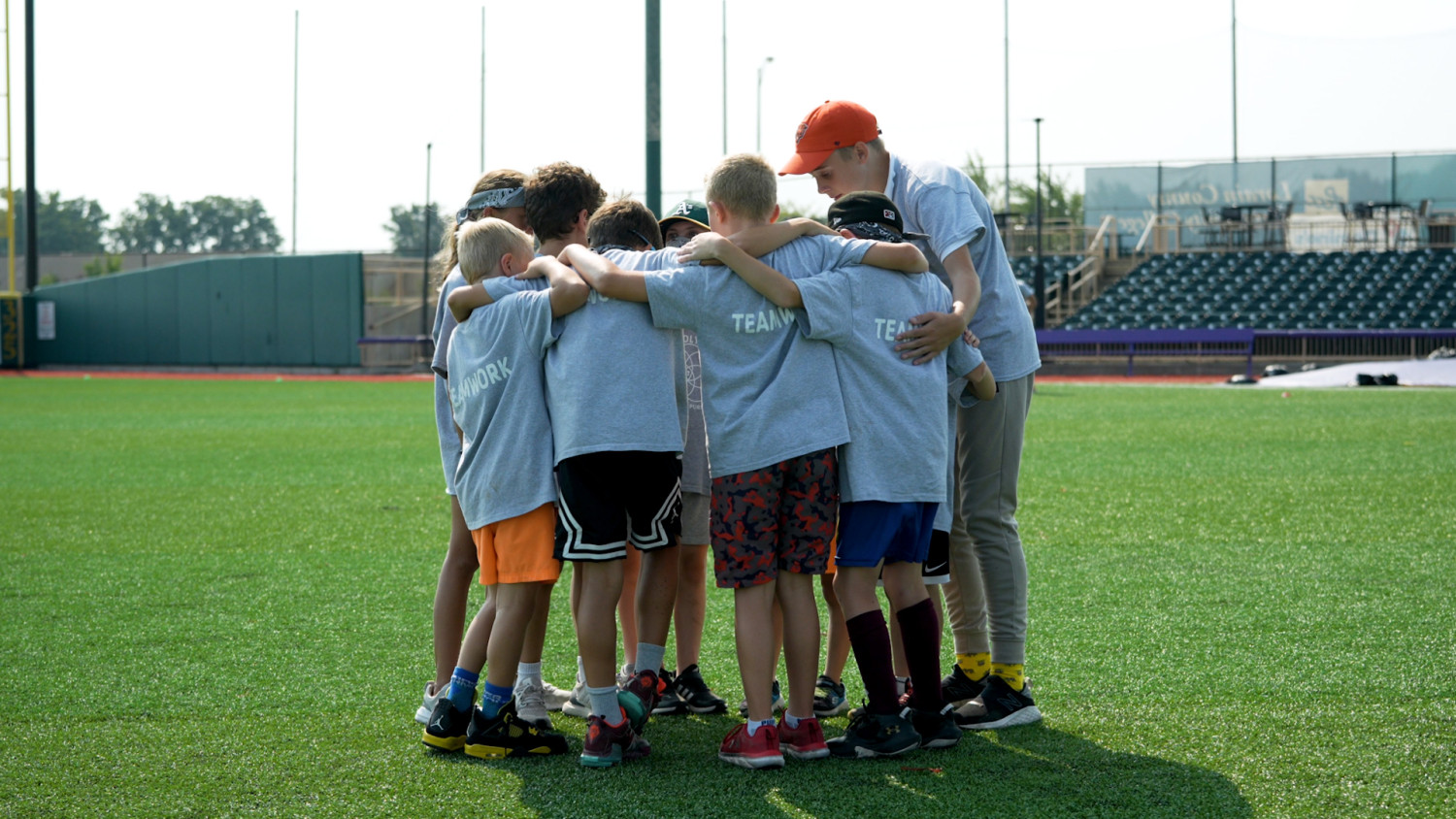
When it comes to mental health, camp can benefit kids far beyond the summer camp experience. Camp not only builds lasting memories, but it encourages emotional expression and well-being.
There are countless mental health benefits of going to camp, such as providing a break from technology and stress, fostering social skills, and boosting self-esteem by learning how to work through challenges. Being outdoors or in nature also helps to improve a child’s mood, focus and resilience.
“Having fun is our number one focus. We want the kids to have fun, but while they are having that fun, we want them to develop problem solving skills and some coping skills, too,” says Natisha Bowling, vice president of youth development at the YMCA of Greater Cleveland. “We believe that the main mental health benefit of camp is children build resilience and independence. We make sure they are in a safe environment, and even though we push them outside of their comfort zone, we allow them to build self-efficacy and confidence. Kids learn social skills, and it creates a sense of belonging, and we create that sense of belonging through activities that require teamwork and building community.”
Camp is an opportunity to disconnect from digital life and to reconnect with themselves and their peers, which leads to lower anxiety and improved moods, she says.
“We are responding to some statistics like one in five adolescents experience mental health conditions each year, and suicide is the second leading cause of death of kids as young as 10 years old, so we know that these mental health crises can arise suddenly,” Bowling says. “We train all of our staff, including our camp counselors with Youth Mental Health First Aid. Not so they can diagnose any kids, but more so, so they can be able to identify the signs and respond appropriately, to help the child and their family get the help that they need.”
YMCA of Greater Cleveland uses the “Second Step” curriculum, which is a popular, evidence-based social-emotional program used by many YMCAs to teach kids life skills like empathy, problem-solving and focus.
“The curriculum is full of ideas and activities that help children learn those self-awareness tools to help them prepare, not just for camp, but tools for life. Camp nurtures their emotional growth, social competence and well-being. And, well-being is a major focus for the YMCA of Greater Cleveland,” Bowling says. “We believe that through physical activities, new challenges, and being outdoors in nature can help them become more self-aware of what their needs are, and they learn tools to express themselves, so they are able to share what their concerns are, their feelings, and where their emotions are at that moment.”
Get Kids Moving
Physical activity is also key, reducing stress hormones and improving a child’s mood as well as their cognitive function.
Camp provides youth with a safe, supportive environment, where kids can be themselves, learn new things and grow. Proper nutrition and hydration are linked to emotional stability and cognitive function.
“We want children to leave us, having formed new, healthy habits like drinking water. We do a lot of lessons on hydration, and the importance of having water, especially when you’re outdoors in the sun,” Bowling says. “We like kids to be able to go home and explain some of these aspects to their parents. So, the parents know we address their mental health concerns from a lot of different perspectives.”
“At Falcon Camp, we are out in nature 100% of the time,” says Tali Cornblath, assistant director at Falcon Camp.
“If we are not eating or sleeping, we’re outside, and being outside has been shown to reduce cortisol, a stress hormone, and increase different ‘feel good’ hormones,” Cornblath says. “Being out in nature can help lessen depression and other mental health challenges.”
Similarly, she said physical activity can increase a child’s endorphins, which can help them feel better, and increase mental wellness. Camp also helps kids learn coping skills.
“We see positive outcomes from being at camp, from our youngest campers up through our staff members,” Cornblath says.
Camp Provides Support
A 2023 American Camp Association study highlighted the lasting impacts of camp and the ways that quality camp experiences support young people. Youth can develop valuable skills, by learning who they are, and it helps them prepare for life beyond camp.
“Camp experiences support kids’ education and academic settings. Further analyses demonstrate improvements in engagement, belonging, supportive youth-adult relationships and experiential learning,” the study states.
“As camp professionals, when we look at kids, and when their parents look at them, and say, ‘We trust you to do this hard thing. It lets them know that they can do that hard thing,’ and that moves from camp into all aspects of life,” Cornblath says.
Cornblath adds camp can aid kids emotional development and teach them how to navigate in different environments without their parents nearby. Camp teaches them things like how to solve problems on their own.
“There are going to be situations that are hard, scary or challenging, no matter where you are. So, that could be something as simple as going to archery, and not hitting the target the first time, or something more challenging, like a thunderstorm that can be a scary event,” Cornblath says. “Kids are able to navigate those things with the support of camp counselors, and other campers around them, and it also equips them with tools they need to face those same challenges outside of camp.”
Expression Through Creativity
Camp also gives kids a variety of ways to express themselves through creative outlets, such as drama, arts and crafts, photography or writing newsletter articles.
Falcon Camp has a variety of projects kids can participate in at camp.
“If you walk around Falcon Camp, you’ll see benches that have been built by different units, or murals, and signs that have been put up in cabins. So, you can come back and see what you made years from now,” Cornblath says. “Falcon also has an awards system that kids can work towards, and it promotes a sense of accomplishment. We create opportunities for kids to be recognized by doing different things.”
At camp, kids have an opportunity to be more independent by making some of their own choices. They can try different things and learn how to set goals. These kinds of things reinforce a child’s sense of accomplishment.
“It can be something like making their bed in the morning, or putting their clothes away from the laundry, or choosing what to do, and planning a fun day for themselves,” Cornblath says. “Most camps have award systems, where you are working to achieve something. So, at the end of the day, you feel good when you worked hard to get that archery award, or that sailing award.”
Help Them Make Choices
Whether kids are away from home for a while, or learning to make their own decisions, camp teaches them life skills.
“One of the things we see at Falcon Camp is kids have choices throughout the day, which they don’t always have at school or at home,” Cornblath says. “So, when you give kids choices and they can try things, based on what they want to do, we are helping encourage their sense of independence, their self-confidence, and their trust in themselves of ‘Oh, I made this choice and I feel good about it,’ or ‘I made this choice, and tomorrow, I might choose something different.’ All of these things help increase their own confidence in how they make decisions and their ability to do hard things.”
