


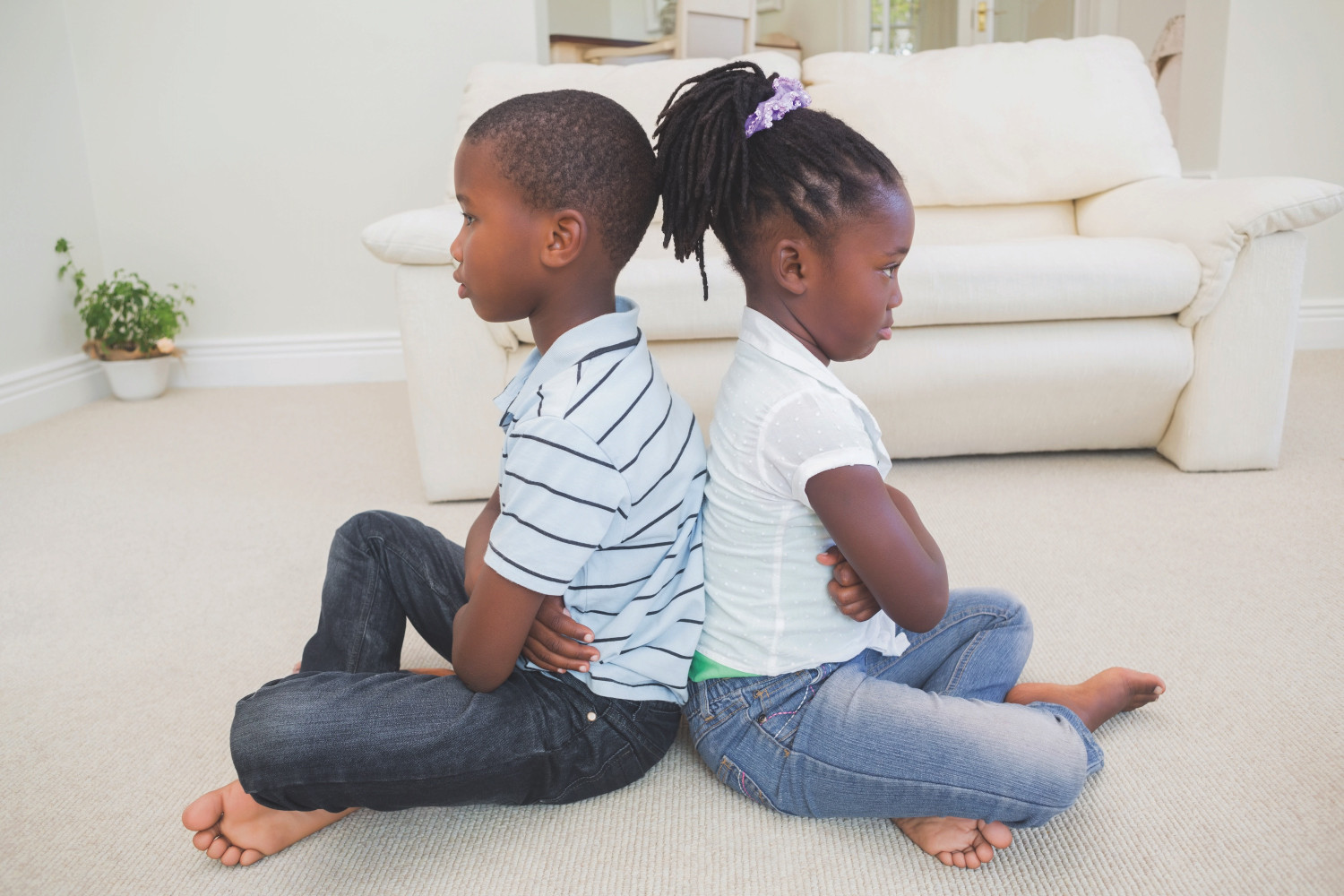
If it feels like siblings can go from laughing to arguing in seconds, often over something that seems insignificant, it’s not unusual. In fact, what looks like “annoying for no reason” is usually part of normal childhood development.
Constant Proximity Leads to Conflict
According to Nicole Leach, APRN-CNP, a nurse practitioner with Mercy Health, sibling irritation often isn’t tied to one specific trigger.
“Most of the time, siblings aren’t really annoyed with each other for one specific reason — it most likely stems from them being around each other constantly,” she explains.
Young children are still developing emotional regulation skills. As a result, frustration can build quickly and be expressed just as quickly. According to Northeastern University, sibling conflicts can occur up to eight times per hour in early childhood, highlighting just how common these interactions are.
A Normal Part Of development
Sibling “bugging” is typically not a red flag. Instead, it reflects children learning important social and emotional skills.
“Kids are learning boundaries, impulse control and how to get along with others first-hand,” Leach says.
However, when behaviors become consistently aggressive, frequent or distressing to one child, it may signal the need for closer attention and support.
The Role of Attention
Attention — whether from parents or others — can play a significant role in sibling conflict.
“If one sibling gets more time, praise or reassurance, it can spark tension and resentment over time,” Leach notes.
Importantly, children don’t need everything to be equal, but they do need it to feel fair. When children feel seen and heard, competition between siblings often decreases.
Age Gaps and Personality Differences
Certain sibling dynamics may naturally lead to more frequent irritation.
Siblings who are close in age are more likely to compete for the same resources, including attention, space and belongings. Larger age gaps can reduce day-to-day conflict, as children are in different developmental stages.
Personality also plays a role. A more assertive child paired with a more sensitive sibling can create a dynamic where one feels dominant and the other feels targeted, even unintentionally.
Teasing vs. Harmful Behavior
Not all sibling interactions are equal. Understanding the difference between playful teasing and harmful behavior is key.
“Playful teasing usually goes both ways and stops when someone asks for it to stop,” says Leach. “Harmful behavior pushes boundaries and leaves a child feeling upset or scared.”
Parents should pay close attention to how their child responds, as consistent distress can indicate that the behavior has crossed a line.
Helping Kids Handle Frustration
While it may be tempting to step in and resolve every disagreement, experts suggest a more hands-off approach when possible.
“Parents don’t have to solve every argument,” Leach says. “Setting clear rules and coaching children through problem-solving helps them build critical thinking skills.”
She adds that many day-to-day sibling conflicts are low-level and developmentally normal. In those moments, parents can take on a coaching role by staying calm, acknowledging feelings on both sides and guiding their kids through solutions rather than immediately fixing the problem for them. This helps prevent escalation while still teaching them important skills like communication and compromise.
However, safety always comes first and parents should step in immediately if the situation escalates, whether it’s physical force, hurtful name calling or one child struggling to advocate for themselves.
Teaching children simple ways to express their feelings — such as asking for space or stating when they feel frustrated — can help reduce conflict over time and give them tools to manage disagreements more independently.
“Coaching siblings through problem-solving means giving them tools they can use independently,” Leach says. “An example of this is naming the problem, each child sharing one idea for a solution, and agreeing on a temporary solution together. I suggest teaching these skills outside the heat of the moment because when tensions are high, the likelihood of effective communication is lower.”
“However, if siblings can practice these skills in their everyday arguments, over time they’ll learn how to regulate emotions, communicate their needs and work through larger disagreements on their own,” she adds.
