


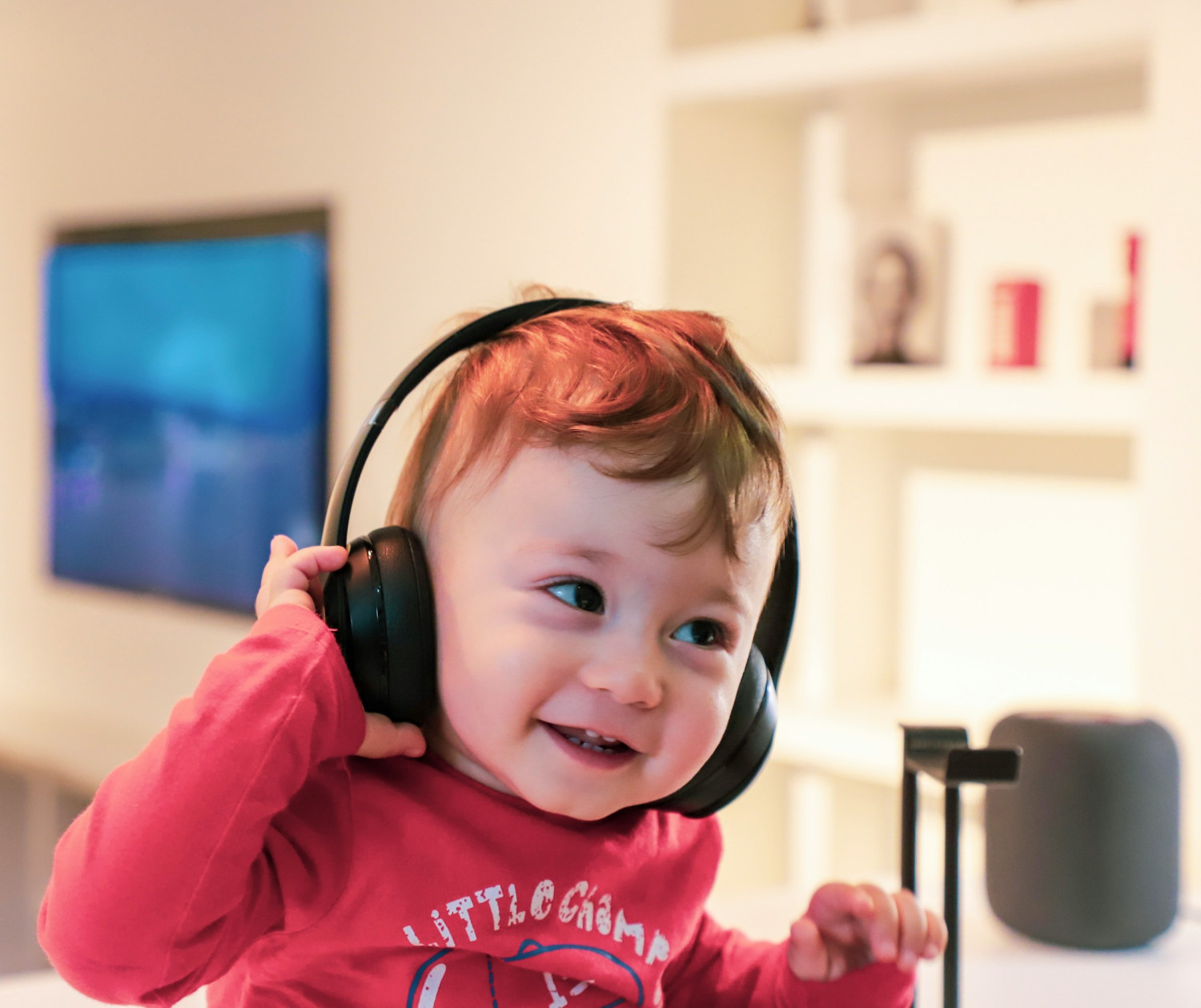
From the happy shouts of a backyard game to the constant hum of the television, a family home is rarely silent. While many of these sounds create happy memories, it’s important to remember that not all noise is harmless. Over time, being around loud sounds can affect everyone’s hearing, from the youngest kids to the adults.
Everyday Sounds That Harm
You might be surprised by how many everyday things can cause damaging noise. It’s not just obvious stuff like concerts or construction sites. Lots of common household items and activities can lead to noise-induced hearing loss if they’re loud and you’re around them for too long.
Think about electronic toys that blare music, the volume on a tablet during a long car ride, or the lawnmower running every weekend. Even a powerful blender can make a lot of noise. The real danger usually isn’t from one short burst of sound, but from all these sounds adding up day after day. The World Health Organization says any sound over 85 decibels (which is about as loud as a busy city street) can cause damage if you’re exposed to it for a long time.
Signs of Noise-Induced Damage
Hearing damage from noise often happens slowly, so it’s easy to miss the signs. With kids, you might notice they don’t answer when you call, seem to misunderstand what you say, or ask “what?” more often. They might also start turning up the TV or their devices to a volume that seems too loud for everyone else.
Adults might have similar issues, plus a ringing or buzzing in their ears called tinnitus. These are all signs that it might be time to see a professional. The bigger health effects of noise can also include feeling stressed and having trouble focusing. If you or a family member gets an evaluation, part of it will involve understanding hearing test charts to get a clear picture of how well you hear.
Protecting Little Ears
Children’s ears are especially delicate, so it’s really important to take action early. This isn’t about getting rid of all noise, but about handling it smartly.
- Volume-Limiting Headphones: When your kids use tablets or other devices, give them headphones made to keep the volume at a safe level, usually below 85 decibels.
- Choose Toys Carefully: Before you buy a new toy, listen to it. If it sounds uncomfortably loud to you, it’s definitely too loud for a child who will hold it close to their ears.
- Use Protection for Loud Events: For fireworks, parades, or sports events, make sure the whole family has hearing protection like earmuffs or earplugs.
Creating a Quiet Home Environment
Your home should be a calm place away from the noisy world outside. You can actually make your home quieter with a few simple changes. Putting down area rugs and hanging curtains can help soak up sound and stop echoes. When you need to buy new appliances like dishwashers or washing machines, look for models that are rated to be quiet.
Most importantly, pay attention to background noise. If no one is really watching TV, turn it off instead of letting it just play. Encourage “quiet time” during the day, where screens are put away and the family does calmer things like reading or drawing. This gives everyone’s ears a much-needed break.
Regular Checks for Peace of Mind
Just like you schedule regular dental and eye check-ups for your family, it’s a good idea to be proactive about hearing health. If you’re worried about your child’s hearing or your own, don’t hesitate to get a professional evaluation. Catching problems early is the best way to prevent more damage and make sure your family can keep talking and connecting well for years to come.
Taking a few thoughtful steps to manage how much noise your family is exposed to can make a big difference in protecting one of your most important senses.
