


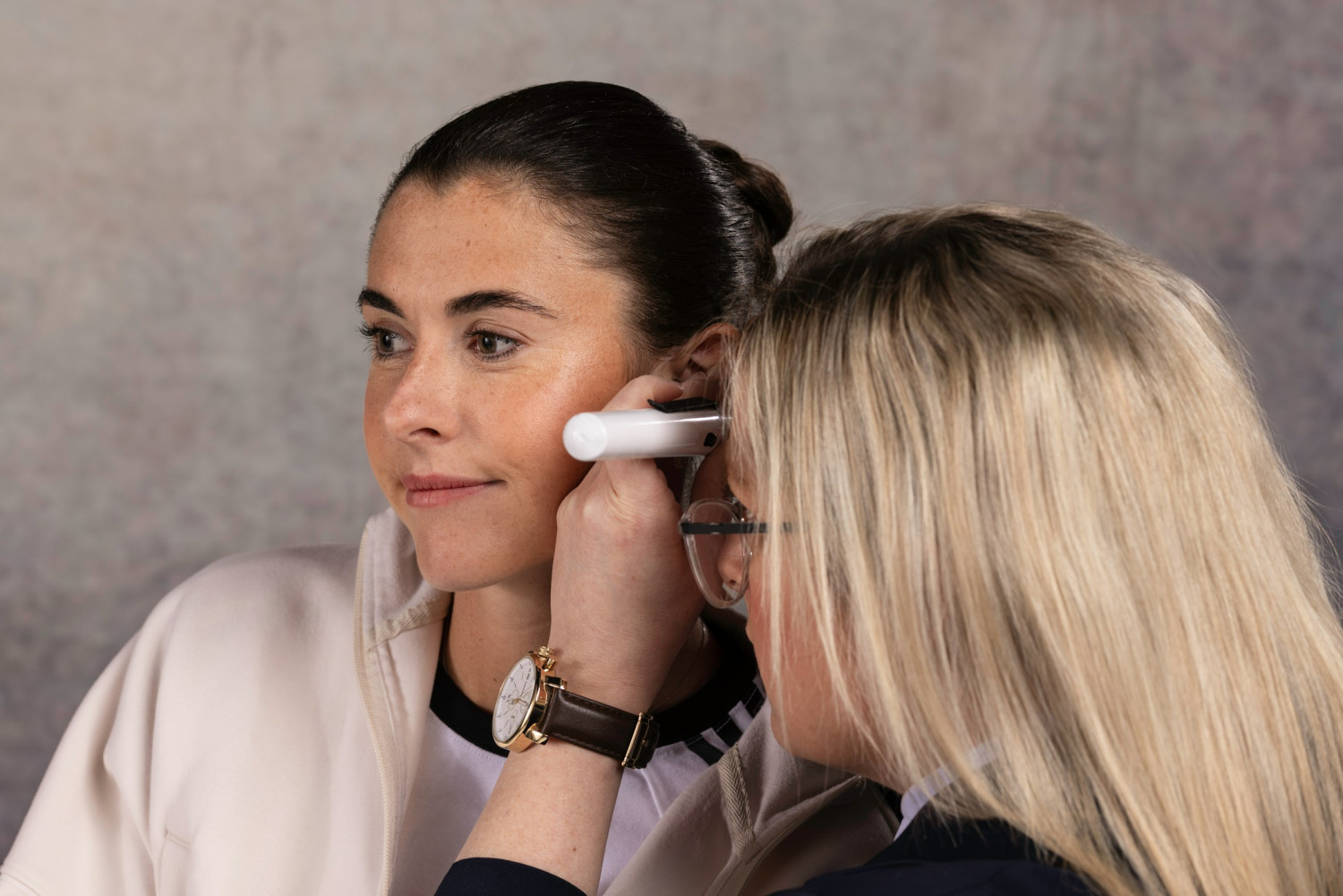
When we think about routine health check-ups for our family, we usually focus on dental visits, eye exams, and annual physicals. But what about hearing? We often overlook it unless a problem becomes obvious, yet hearing health is a critical part of our overall well-being at every stage of life. From a baby’s first screening to an adult’s gradual changes, staying on top of our auditory health is just as important as any other check-up.
Hearing Health Throughout Life
Our hearing needs and risks change as we grow. Newborns typically get a hearing screening before they even leave the hospital to catch any potential issues early. During childhood, ear infections can temporarily or, in some cases, permanently affect hearing. Clear hearing is essential for language development and learning at this age.
As we move into our teenage and adult years, noise exposure becomes a significant factor. Concerts, loud music through headphones, and noisy work environments can all contribute to gradual hearing damage. For older adults, age-related hearing loss is common, but its effects can be managed effectively when caught early. Understanding that hearing is dynamic and changes over a lifetime is the first step toward protecting it.
Beyond the School Screening
Many parents rely on school hearing screenings, and while these are a valuable tool, they shouldn’t be the only check-in. School screenings catch more obvious hearing difficulties but might miss subtle or progressive loss, or issues in specific frequency ranges. A child could pass a screening but still struggle to hear in a noisy classroom.
Also, these tests only happen periodically. A lot can change between screenings, especially if a child has frequent colds or ear infections. That’s why regular professional hearing evaluations provide a more complete picture of your child’s auditory health, ensuring no issues fall through the cracks.
Keeping Tabs on Your Hearing
Just like tracking your child’s height on a door frame, tracking hearing test results over time helps you notice changes. Establishing a baseline with a comprehensive hearing test is a great starting point for every family member. From there, you can compare future results to see if there are any shifts. This is especially helpful if you’re concerned about noise exposure or have a family history of hearing loss.
Keeping a simple record of test dates and results can make conversations with your doctor more productive. A clear history makes it easier to spot trends. Tracking hearing test results allows you to be proactive rather than reactive, giving you and your audiologist a clearer picture of your hearing health over the long term.
Early Detection Benefits
Catching hearing loss early significantly impacts quality of life. For children, it directly affects their ability to develop speech, language, and social skills. When a hearing issue is identified and managed, kids have a much better chance of succeeding academically and socially.
For adults, the benefits are just as significant. Untreated hearing loss is linked to social isolation, depression, and even a higher risk of cognitive decline. The benefits of early intervention for hearing loss are clear: it helps people stay engaged with work, family, and hobbies, maintaining a strong connection to the world around them. Early action can prevent minor issues from becoming major obstacles.
Talking to Your Doctor
If you have any concerns about your hearing or your child’s, talk to your pediatrician or family doctor. Signs to watch for in children include not responding to their name, asking for things to be repeated, speech delays, or turning the TV volume up high. In adults, signs might include difficulty understanding conversations in noisy places, ringing in the ears, or feeling like others are mumbling.
Your doctor can do an initial check and refer you to an audiologist for a more thorough evaluation if needed. Be prepared to discuss any specific situations where you’ve noticed difficulty. The sooner you start the conversation, the sooner you can get answers and a plan in place.
Making hearing checks a regular part of your family’s healthcare routine is a simple, powerful way to protect this vital sense for years to come.
