


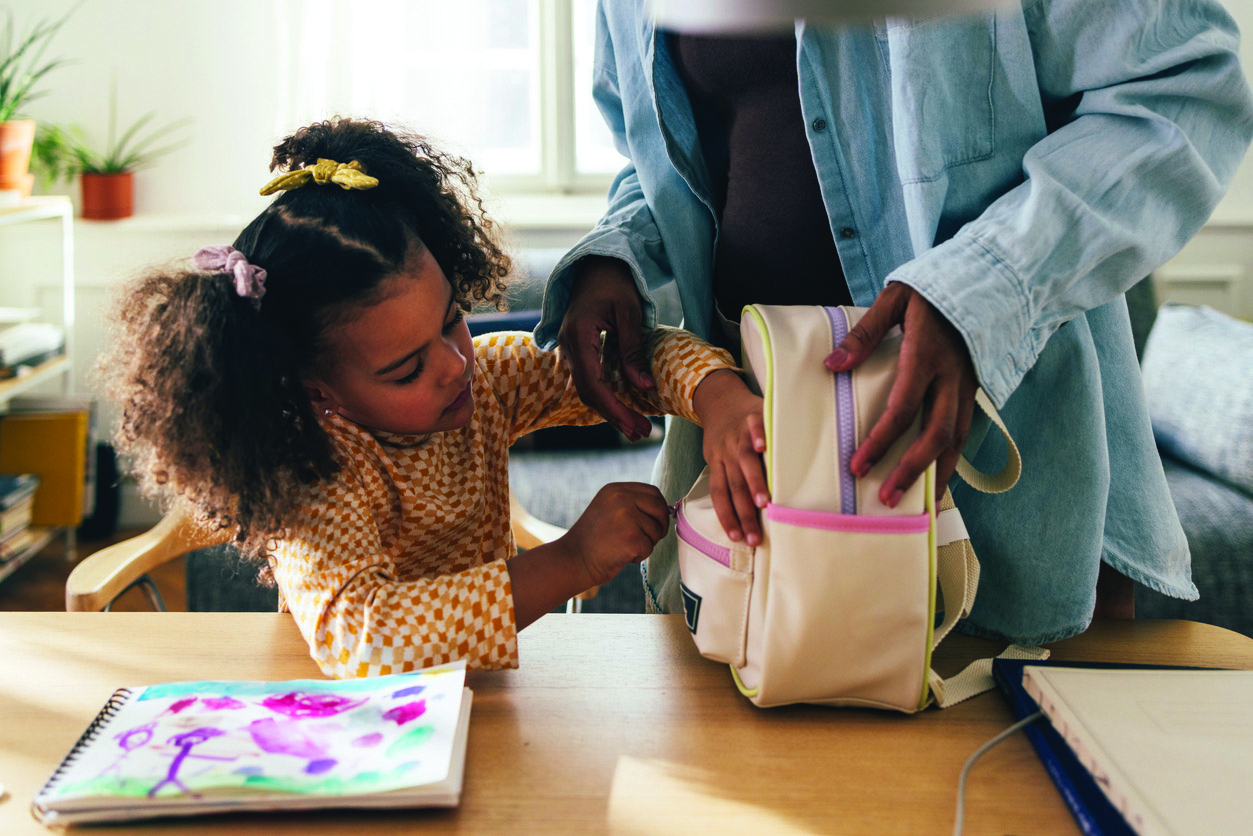
Fall preschool days will be here before we know it. To help your kids have a successful and stress-free learning experience this year, it is important for them to know some basic independent and self-care skills.
Here are 50 things your preschool kids should practice before school starts.
1. Pulling up a coat zipper
2. Getting dressed independently
3. Washing hands with soap and water
4. Learning to sit quietly at a table
5. Returning supplies to their correct place
6. Packing and unpacking their backpack
7. Taking shoes on and off
8. Sharing with other children
9. Asking an adult for help
10. Understanding transition between activities
11. Opening food/fruit pouches
12. Using a water bottle
13. Recognizing their first and last name
14. Using scissors
15. Saying “please” and “thank you”
16. Bathroom etiquette (flush, wipe, wash hands, close door for privacy)
17. Tying their own shoes or knowing how to use the velcro
18. Using buttons
19. Playing independently
20. Eating breakfast and getting ready for school
21. Cleaning up a space (throw things away, wipe away a mess)
22. Handling a sneeze or cough
23. If your child will take daily medication while in school, work with your child and medical staff to understand the process
24. Getting used to their bedtime routine
25. Eating with utensils
26. Understanding how a band-aid works
27. Working with paint, paint brushes and other craft supplies
28. Using toilets and faucets in public restrooms
29. Dealing with fall/winter accessories (boots, coats, rain gear)
30. Managing their own belongings
31. Asking permission to use the bathroom
32. If they have glasses, teach them about safe storage
33. Understanding how a lost and found works
34. Waiting their turn to give an answer or play with a toy
35. Knowing how to eat a snack politely
36. Standing in line
37. Identifying and talking about their feelings
38. Following a simple two-step direction (“put your bag away, then sit on the carpet”)
39. Raising their hand when they have a question
40. Separating from a parent or caregiver
41. Putting on and taking off a backpack independently
42. Listening to a story without interrupting
43. Respecting personal space and keeping their hands to themselves
44. Holding a pencil or crayon with a comfortable grip
45. Blowing their nose independently
46. Drinking from an open cup
47. Asking a friend to play
48. Using an inside voice
49. Walking safely in a parking lot
50. Accepting “no” for an answer without getting upset
