


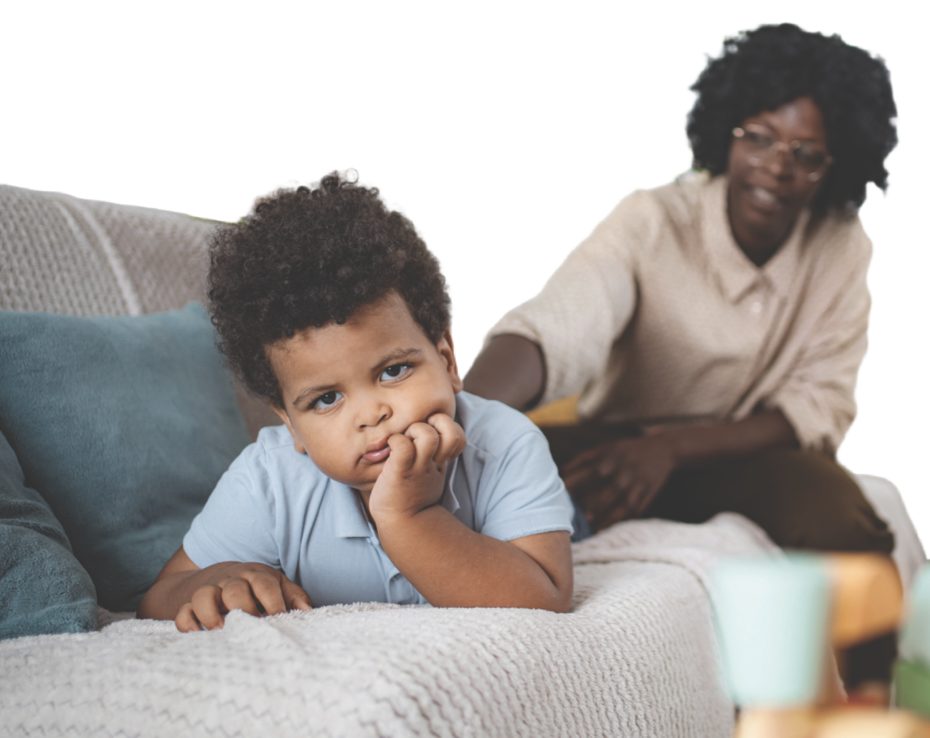
Few things get me fired up faster than one of my kids being upset. And they’re all in their twenties.
If one of them is struggling, my body floods with adrenaline. Every instinct says fix this, now. Over the years, that’s looked like interfering with swim lessons, calling a teacher when they didn’t want me to, offering advice nobody asked for, and working overtime to make them feel better. I’ve done plenty in reaction to their distress. Some of it helped. A lot of it was more about my discomfort than what they actually needed.
The distress I felt made everything seem urgent. It rarely was.
Because I was so hijacked by my own reaction, I unintentionally interfered with my kids learning some valuable lessons. More times than not, I was mistaking discomfort for danger. The racing heart, the laser focus, the urgency to act right now — those are signs your alarm system got activated. Your brain is responding like there’s a threat to eliminate, when what’s actually happening is your kid facing something uncomfortable. Not something dangerous.
To respond differently, I had to slow down enough so I could see that there was no actual danger despite what my body was telling me. Then I could show my body discomfort, not danger.
That’s the same skill we want our kids to learn. And if we want them to learn it, we have to model it.
Building Distress Tolerance With PAUSE
This is where PAUSE comes in:
P: Pause. Literally, slow down.
A: Assess if you’re actually in danger or just very uncomfortable.
U: Unclench your jaw, your shoulders, your face.
S: Soften around the discomfort. The goal is to accept reality, not add to it.
E: Engage with the situation as it actually is.
Pausing doesn’t mean leaving your kid to sink or swim. It means slowing down so you can be intentional about how you respond, instead of reacting on impulse. We want to support our kids without rescuing them. That means acknowledging how they feel and believing they can handle it, even if they’re scared, disappointed, sad or angry. You can stay connected to your kid without taking their discomfort away from them.
Why Letting Them Struggle Actually Helps
Struggle is where learning happens. It’s the signal that you and your kid are both outside the comfort zone, which is exactly where growth occurs. When they move through something hard on their own, they build distress tolerance, they figure out how to solve problems, and they walk away with more confidence and more trust in themselves.
When we swoop in instead, we’re sending a message whether we mean to or not: that we don’t think they can do it, that we can do it better, that we don’t trust them to figure it out.
Why it’s Hard for Us
If swooping in sends the wrong message, why do we keep doing it? Usually, it’s a story we’re telling ourselves. That they’re in danger. That they can’t handle it. That we can’t handle watching them struggle. That the outcome will be dire, they’ll fail, they’ll lose their friends, they’ll get in real trouble.
Most of the time, none of that is true. What’s true is that it’s uncomfortable to watch someone you love struggle, and that discomfort is not the same thing as danger.
Want to practice pausing before you react? Start small. You don’t need the big moments to build this skill. This is the heart of what I call “just do nothing” — not doing nothing about the situation, but doing nothing with the discomfort it brings up in you. It’s a practice, not a personality trait, and every rep counts.
Joanna Hardis, LISW, is a cognitive behavioral therapist in Shaker Heights. A mother of three herself, Joanna combines years of everyday parenting experience with professional training in the areas of anxiety; changing family dynamics, such as divorce; and obsessive-compulsive and eating disorders all in an effort to support, coach and empower parents of behaviorally challenging kids. Joanna earned her undergraduate degree at Cornell University in New York and a master’s degree from Cleveland’s Case Western Reserve University.
