


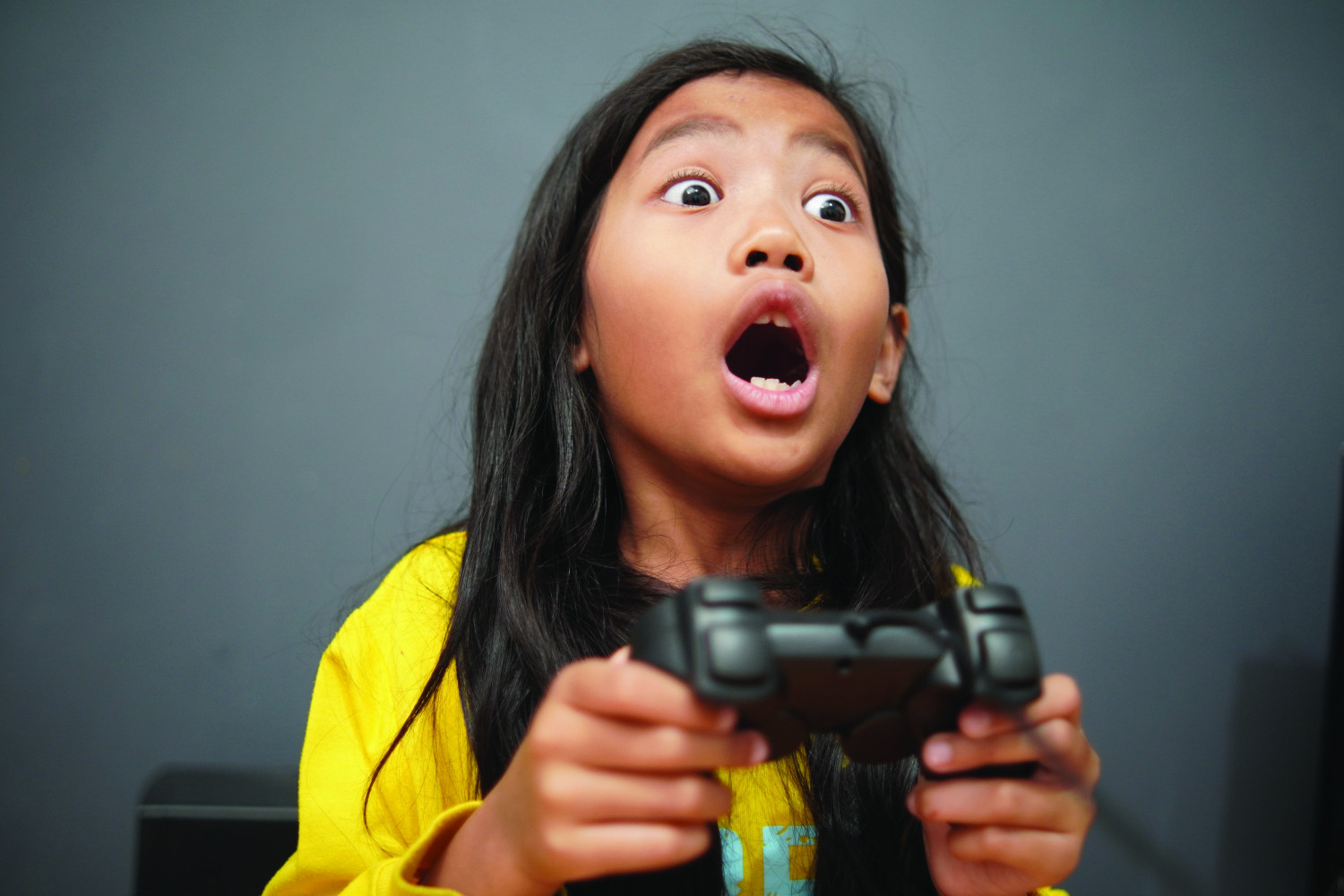
If you have a kid who plays video games, you’ve probably seen it happen. They lose a round, miss a goal or are told it’s time to turn the game off, and suddenly there’s yelling, crying or a controller being tossed across the room. Why can losing a video game make kids so angry?
According to Dr. Jay Berk, Ph.D., a local psychologist who works with children and adolescents, there’s more going on than simply being a sore loser.
Why Video Games Are so Hard to Put Down
Video games are designed to keep players engaged. Kids are constantly working toward the next win, level or personal record, and many are also playing online with friends. Some games even penalize players for leaving before a round is finished.
“Video games are built to deliver a steady stream of small wins, near-misses and dopamine hits,” Berk says.
When a child loses or a parent suddenly tells them to turn off the game, all of that comes to an abrupt stop. For kids who are still learning how to control their impulses and emotions, that disappointment can quickly turn into anger.
But It’s Just a Game…Right?
To parents, yes. To kids, it may not feel that way.
For some children, gaming is a place where they feel successful. While it can take months or even years to master a sport or musical instrument, video games offer immediate feedback and frequent opportunities to improve.
“When a child loses, they’re not just losing a round, they’re losing the thing that was making them feel capable in that moment,” Berk says.
And unlike a soccer game or board game, many video games don’t have an obvious ending. There is always another round, level or challenge waiting.
Sometimes, It’s Not About the Game
Before blaming the Xbox, consider what kind of day your child has had.
School stress, problems with friends, hunger, lack of sleep or even an argument earlier in the day can all make it harder for kids to handle frustration.
“It’s rarely just about the game,” Berk says. “Emotional regulation is a limited resource. Think of it like a battery that gets drained over the course of a day.”
By the time kids sit down to play, that battery may already be running low. A loss they would normally brush off can suddenly become the final straw.
When is Rage Quitting a Problem?
Getting mad about losing occasionally is normal. What parents should watch, Berk says, is how often it happens, how extreme the reaction becomes and how long it takes a child to recover.
Throwing or breaking things, becoming aggressive, making threats or staying angry long after the game is over are bigger red flags. Parents should also pay attention to whether similar behavior is happening at school, with friends or during other activities.
What Parents Can Do
When your child is in the middle of a gaming meltdown, that’s probably not the best time for a lesson about being a good sport.
“In the moment, the priority is de-escalation, not correction,” Berk says.
Stay calm, give your child time to cool down, and talk about what happened later. Outside of gaming, parents can help kids practice losing through board games, card games and other low-stakes activities.
Berk also recommends setting gaming limits before kids start playing, using timers or warnings to make transitions easier, and rewarding kids when they turn off a game without a fight.
Most importantly, don’t assume repeated meltdowns are something your child will simply outgrow. Gaming frustration can be an opportunity to teach kids something they’ll need long after the screen turns off: how to be disappointed, calm themselves down and try again.
